
If you have tinnitus, you have almost certainly had this thought while driving: Is this affecting my ability to drive safely? The constant ringing, the divided attention, the moments where the sound seems to surge and pull your focus from the road. It is a legitimate concern -- and one that surprisingly few resources address directly.
The short answer is reassuring: tinnitus alone does not make you an unsafe driver. There is no country in the world that prohibits driving solely because of tinnitus. However, the nuanced answer is more important: tinnitus can affect the cognitive resources available for driving, and understanding this relationship allows you to compensate effectively.
This article examines the research on tinnitus and driving attention, provides practical strategies for in-car sound management, and addresses the long-drive fatigue that tinnitus sufferers know all too well.
Tinnitus and Attention: What Research Shows
Driving is fundamentally a sustained attention task. You must continuously monitor visual information (road, mirrors, other vehicles), process auditory signals (horns, sirens, engine sounds), and make rapid decisions -- all while maintaining lane position and speed. This requires what cognitive psychologists call divided attention: the ability to process multiple information streams simultaneously.
Tinnitus directly competes for attentional resources. Research has consistently demonstrated this:
- Rossiter et al. (2006) found that tinnitus sufferers showed significantly poorer performance on the Stroop test and other divided attention tasks compared to age-matched controls, with the degree of impairment correlating with self-reported tinnitus severity.
- Stevens et al. (2007) demonstrated that chronic tinnitus reduces the brain's "attentional reserve" -- the surplus cognitive capacity available for unexpected events (like a child running into the road). Using fMRI, they showed that tinnitus-related neural activity occupies attentional networks even when people are focused on visual tasks.
- Andersson et al. (2009) tested tinnitus patients on a driving simulator and found that while basic driving performance (lane keeping, speed maintenance) was not significantly affected, reaction times to unexpected hazards were 8-12% slower in the high-tinnitus-distress group compared to controls.
- Heeren et al. (2014) showed that emotional distress from tinnitus -- not the sound itself -- was the primary mediator of attentional impairment. Participants who had habituated to their tinnitus (low distress despite ongoing sound) showed no significant attentional deficits.
"The attentional cost of tinnitus is not primarily about the sound -- it is about the emotional reaction to the sound. Distress consumes cognitive resources. Habituation restores them." -- Heeren et al., Neuropsychologia, 2014
The practical implication is significant: the most dangerous aspect of tinnitus for driving is not the ringing itself but the stress, frustration, and anxiety it generates. This means that effective stress management and habituation training are not just quality-of-life improvements -- they are driving safety interventions.
Road Noise as Natural Masker
Here is a counterintuitive finding that many tinnitus sufferers have noticed anecdotally: driving often makes tinnitus less noticeable, not more. The reason is road noise.
A vehicle in motion generates broadband noise from multiple sources: tire-road contact (dominant at speeds above 30 mph), wind buffeting, engine/drivetrain noise, and cabin vibration. This combination creates a rich, multi-frequency sound environment that functions as a natural masker. Typical in-car noise levels:
- City driving (30 mph): 60-65 dB
- Highway driving (60-70 mph): 68-75 dB
- Older vehicle or open windows: 75-82 dB
- Newer luxury vehicle, highway: 62-68 dB
For many tinnitus sufferers, the 65-75 dB range of normal driving provides ideal partial masking -- the tinnitus is still present but significantly less intrusive. This is why some people with tinnitus describe driving as "the best part of their day" -- the ambient noise creates a respite from the constant awareness of ringing that dominates quiet environments.
However, newer and more expensive vehicles, with their emphasis on cabin isolation and noise reduction, can paradoxically be worse for tinnitus sufferers. The ultra-quiet cabin of a luxury EV at low speeds can be as silent as a quiet room, removing the natural masking that road noise provides. If you are car shopping with tinnitus, this is worth considering.
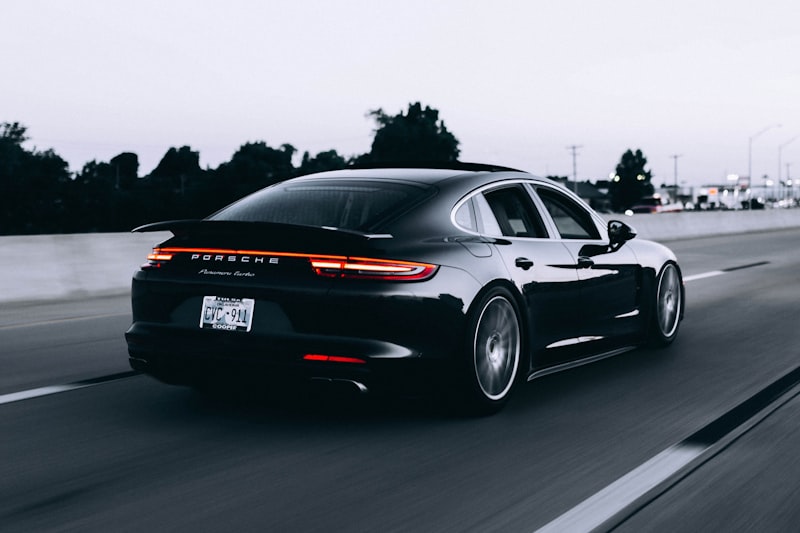
The in-car sound environment can be optimized for tinnitus management using Bluetooth audio, strategic window positioning, and attention to drive duration.
In-Car Masking via Bluetooth
Your car stereo system, connected to your phone via Bluetooth, is a powerful tinnitus management tool. Unlike headphones (which are illegal while driving in many jurisdictions), car speakers provide ambient sound enrichment while keeping your ears open to external traffic sounds, sirens, and horns.
Optimal setup:
- Connect your phone to your car via Bluetooth audio
- Open Lushh and select a therapeutic sound that partially masks your tinnitus without demanding attention -- pink noise, rain, or gentle ocean sounds work well
- Set the volume so the masking sound is just below the point where it fully covers your tinnitus. Partial masking (where you can still hear the tinnitus but it blends with the sound) is more effective for long-term habituation than full masking
- Keep the volume moderate -- you must still be able to hear horns, sirens, and emergency vehicle sounds clearly
Download Lushh for in-car tinnitus relief →
What works best for driving:
- Nature sounds (rain, streams, ocean): Non-intrusive, calming, and effective maskers that do not compete with driving attention
- Pink or brown noise: Excellent broadband masking without the "hissiness" of white noise
- Lo-fi or ambient music: Can provide masking while also improving mood and reducing driving monotony
- Podcasts and audiobooks: Provide both auditory enrichment and cognitive engagement, giving the brain something to attend to besides tinnitus. This "active distraction" can be particularly effective for anxiety-driven tinnitus distress
What to avoid:
- Music with extreme dynamic range (sudden loud sections can startle)
- Binaural beats (designed for headphone use; ineffective through car speakers)
- Complete silence (allows tinnitus to dominate and increases distress)
- Extremely loud volumes (defeats the purpose of protecting hearing)
Stream Lushh through your car's Bluetooth. 65+ sounds optimized for tinnitus relief -- perfect for commutes and road trips.
Download Lushh -- Free →Long Drive Fatigue and Tinnitus
Long-distance driving is where tinnitus becomes a genuine safety factor -- not because of the sound itself, but because of the accelerated fatigue it causes.
The brain expends measurable energy processing tinnitus. fMRI studies show increased metabolic activity in the auditory cortex, prefrontal cortex, and anterior cingulate cortex in people with bothersome tinnitus. This "background processing" consumes glucose and ATP -- the same fuel your brain needs for sustained attention. The result: tinnitus sufferers may reach the fatigued state of a non-tinnitus driver 20-30% sooner on long drives.
A 2017 study by Durai et al. in Ear and Hearing found that participants with chronic tinnitus showed significantly greater cognitive fatigue after 2 hours of sustained attention tasks compared to controls -- even when the tasks were visual and unrelated to hearing. The tinnitus was consuming cognitive bandwidth in the background.
Long-drive protocol for tinnitus sufferers:
- Break every 90 minutes: The standard recommendation for all drivers is every 2 hours. For tinnitus sufferers, shorten this to 90 minutes. During breaks, step out of the car, stretch your neck and jaw (tension contributes to somatic tinnitus), and sit in quiet for 2-3 minutes to give your auditory system a reset.
- Alternate sound environments: Switch between pink noise, nature sounds, podcasts, and music every 30-45 minutes. Auditory variety prevents habituation to the masking sound (which reduces its effectiveness over time).
- Stay hydrated: Dehydration increases neural excitability and can amplify tinnitus. Keep water in the car and drink regularly.
- Monitor your state honestly: If your tinnitus spikes and your focus deteriorates, pull over. No destination is worth a safety risk. A 15-minute rest with a breathing exercise can reset your system.
- Avoid overnight driving: The combination of sleep deprivation + darkness + tinnitus creates a high-risk fatigue scenario. If a long trip requires driving late, plan accommodation instead.
Legal Considerations: Is It Safe?
No country or state explicitly prohibits driving due to tinnitus alone. However, several related factors can affect your legal driving status:
Hearing loss: Many jurisdictions have minimum hearing requirements for commercial driving licenses (truck drivers, bus drivers, taxi drivers). In the US, the Federal Motor Carrier Safety Administration (FMCSA) requires commercial drivers to perceive a forced whispered voice at 5 feet, or pass a pure-tone audiometric test. If your tinnitus is accompanied by significant hearing loss, this could affect commercial licensing. Personal driving licenses have no hearing requirements in most US states or EU countries.
Medication effects: If you take benzodiazepines (clonazepam, diazepam), sedating antihistamines, or other medications for tinnitus that cause drowsiness, you may be legally impaired. The same driving-under-influence laws that apply to alcohol apply to prescription medications that affect alertness and reaction time.
Vertigo component: If your tinnitus is accompanied by vestibular symptoms (Meniere's disease, BPPV, vestibular migraine) that cause sudden dizziness or balance disturbance, you should discuss driving safety with your doctor. A sudden vertigo episode at the wheel is a genuine safety emergency. See our guides on Meniere's disease and vertigo versus dizziness.

Managing tinnitus-related distress through habituation and sound therapy directly improves driving safety by freeing up attentional resources.
Insurance considerations: Tinnitus is not a condition that must be disclosed to auto insurance providers in any jurisdiction we are aware of. You are not at increased insurance risk simply because of tinnitus. However, if you have an accident and it is determined that a medication you were taking impaired your driving, standard drug-impaired driving rules apply.
Emergency Strategies for Spikes While Driving
A sudden tinnitus spike while driving -- caused by stress, a loud sound, or seemingly nothing at all -- can be alarming and distracting. Having a plan prevents panic:
- Do not panic. A tinnitus spike does not mean hearing damage is occurring in real time. It is a fluctuation in neural activity, not an emergency. Remind yourself: "This is temporary. It will subside."
- Adjust your sound environment immediately. Turn on or change the Bluetooth audio. Pink noise or brown noise at moderate volume provides instant partial relief. Having Lushh pre-loaded with your preferred sound means one-tap activation.
- Open a window slightly. The broadband wind noise provides additional masking and changes the acoustic environment enough to shift your attention.
- Practice 4-7-8 breathing. Four counts in through the nose, hold for seven, exhale through the mouth for eight. This activates the vagus nerve and reduces the sympathetic activation that amplifies tinnitus. You can do this safely while driving -- your eyes stay on the road.
- If the spike is severe and your concentration is compromised, pull over safely. Turn on hazard lights, pull to the shoulder or a parking area, and give yourself 5-10 minutes. Do a full spike protocol. Then reassess before continuing.
Practical Tips for Every Drive
- Pre-set your Bluetooth audio before starting the engine. Fumbling with your phone while driving is dangerous for anyone, but especially for someone already managing divided attention.
- Keep earplugs in the glove box. For unexpected noise exposure (construction zones, emergency vehicles, road work with heavy machinery).
- Use GPS voice navigation. Reduces the cognitive load of reading signs and making navigation decisions -- freeing attention for driving and tinnitus management.
- Inform your passengers. Let regular passengers know that you have tinnitus and may need to adjust the car audio. Brief explanation prevents misunderstanding. For guidance on this conversation, see how to explain tinnitus to family.
- Night driving: Tinnitus often feels louder at night due to reduced external stimulation. Ensure your sound enrichment is active during nighttime drives, and increase break frequency.
- Commute optimization: If you drive the same route daily, identify the quietest and least stressful route -- even if it takes 5 minutes longer. Reduced stress means reduced tinnitus means reduced fatigue.
Pre-load your favorite Lushh sounds for one-tap activation behind the wheel. Sound therapy through Bluetooth -- safe, legal, effective.
Download Lushh -- Free →Frequently Asked Questions
Is it safe to drive with tinnitus?
For the vast majority of people, yes. Tinnitus alone does not disqualify you from driving in any country. However, research shows that severe tinnitus can reduce attentional capacity by 10-15%, increase reaction times slightly, and accelerate driver fatigue. If your tinnitus is accompanied by significant hearing loss, vertigo episodes, or medication side effects (drowsiness from benzodiazepines), you should discuss driving safety with your doctor.
Does road noise help or hurt tinnitus while driving?
Road noise often acts as a natural masker for tinnitus. The broadband noise from tires on pavement, wind, and engine generates frequencies that partially cover the tinnitus signal. Many tinnitus sufferers report that their tinnitus is less noticeable while driving compared to sitting in a quiet room. However, highway driving at high speeds can expose you to sustained noise levels of 70-80 dB, which may cause fatigue over long distances.
Can I use headphones or earbuds while driving to mask tinnitus?
Laws vary by jurisdiction. Many states and countries prohibit wearing headphones or earbuds while driving because they block external sounds like sirens and horns. A safer alternative is using your car's Bluetooth audio system to play masking sounds through the vehicle speakers. Apps like Lushh can stream therapeutic sounds through your car stereo, providing tinnitus relief without blocking external audio cues.
How do I manage tinnitus spikes during long drives?
Take a break every 90-120 minutes. Pull over, turn off the engine, and sit in relative quiet for 5-10 minutes. Perform jaw and neck stretches to release tension. Switch your masking sound type to give your auditory system variety. Stay hydrated and avoid caffeine overload. If a tinnitus spike is severe enough to affect concentration, stop driving until it subsides. Safety always comes first.
Sound Therapy That Goes Where You Go
Lushh streams through your car's Bluetooth, plays offline on flights, and provides personalized tinnitus relief in any environment. 65+ sounds, daily tracking, and CBT exercises.
Download Lushh -- FreeDisclaimer: This article is for informational purposes only and does not constitute medical or legal advice. If tinnitus, hearing loss, or vestibular symptoms affect your ability to drive safely, consult your healthcare provider and check local driving regulations.