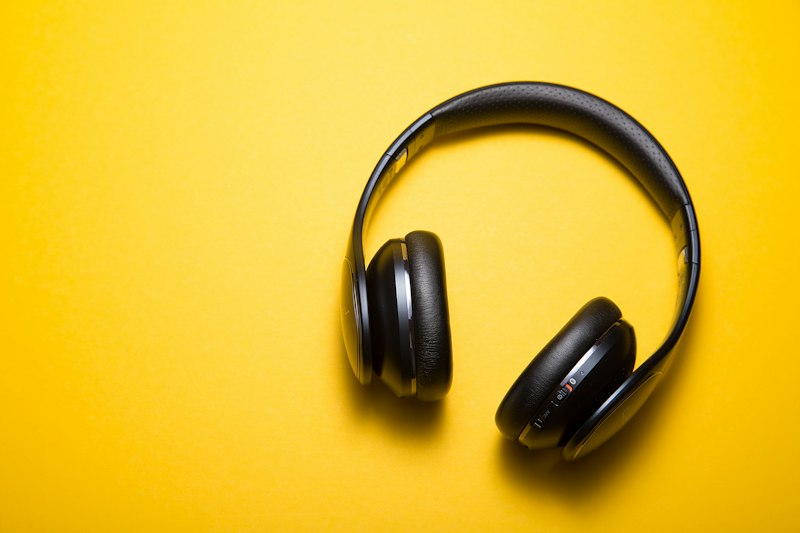
Choosing headphones when you have tinnitus involves considerations that most product reviews never address. The wrong headphones can isolate you in silence that amplifies your ringing, deliver sound at frequencies that exacerbate your condition, or create ear canal pressure that triggers somatic tinnitus. The right headphones become a therapeutic tool — delivering sound therapy effectively while maintaining awareness of your environment and protecting your remaining hearing.
This guide evaluates every major headphone category from the perspective of tinnitus management, explains the acoustic principles behind each recommendation, and provides specific product suggestions across budget ranges.
What to Consider When Choosing Headphones for Tinnitus
Tinnitus patients need to evaluate headphones differently than general consumers. The key factors are:
- Isolation level: Complete acoustic isolation (closed-back, deep-insertion IEMs) removes ambient masking and can make tinnitus dramatically louder. Some tinnitus patients need environmental sound to remain audible.
- Frequency response: Headphones with a flat or neutral frequency response are best for sound therapy and notch therapy — boosted frequencies can interfere with therapeutic precision.
- Comfort for extended wear: Sound therapy requires consistent daily use (1-2+ hours). Headphones that create pressure points, heat buildup, or ear canal irritation undermine compliance.
- Volume limiting: Many tinnitus patients have comorbid noise-induced hearing loss. Hardware or software volume limiting protects remaining hearing.
- Occlusion effect: Sealed ear canals amplify internal body sounds (heartbeat, jaw movements) — problematic for those with somatic tinnitus or pulsatile tinnitus.
Open-Back Headphones: Best for Daytime Sound Therapy
Open-back headphones have perforated or mesh-covered ear cups that allow air and sound to pass through. This creates a natural, spacious sound presentation while maintaining awareness of your environment. For tinnitus patients, this means ambient sound continues to provide natural masking alongside whatever therapeutic audio you are playing.
Advantages for Tinnitus
- No isolation from ambient sound — prevents the "silence amplifies tinnitus" problem
- Natural sound stage that feels less artificial than closed headphones
- Minimal occlusion effect — no amplification of body sounds
- Generally more comfortable for extended wear due to better ventilation
Disadvantages
- Sound leaks out — not suitable for offices, public transit, or shared spaces
- External noise enters — not ideal for hyperacusis sufferers who need noise reduction
- Less effective bass response — may affect enjoyment of music-based sound therapy
Recommended Models
- Sennheiser HD 560S ($150): Excellent flat frequency response, lightweight, comfortable for hours. Best value for sound therapy delivery.
- Beyerdynamic DT 900 Pro X ($270): Outstanding neutrality, velour pads, 48-ohm impedance works with phones. Premium build quality.
- AKG K712 Pro ($250): Wide soundstage, very comfortable, slightly warm signature that makes nature sounds especially pleasant.
- Philips SHP9500 ($75): Budget king. Remarkably neutral for the price, comfortable, easy to drive. Perfect entry point.
Open-back headphones allow environmental sound through, preventing the silence that amplifies tinnitus perception.
Closed-Back and ANC Headphones: For Hyperacusis and Noise-Sensitive Patients
Closed-back headphones and ANC models create an isolated listening environment by sealing the ear from external sound. For general tinnitus patients, this can be counterproductive — silence makes tinnitus louder. However, for the 40% of tinnitus patients who also have hyperacusis (painful sound sensitivity), noise reduction is essential for daily functioning.
The key is to always pair ANC/closed-back headphones with sound therapy. Never use them in pure silence. Playing low-level therapeutic sounds through Lushh while ANC reduces environmental noise creates an ideal controlled acoustic environment. Download Lushh for ANC sound therapy →
Recommended ANC Models
- Sony WH-1000XM5 ($350): Industry-leading ANC, multipoint Bluetooth, 30-hour battery. Excellent for commuting with tinnitus.
- Apple AirPods Max ($449): Premium ANC with Transparency mode that passes through ambient sound naturally. Integrates with iOS hearing health features.
- Bose QuietComfort Ultra ($379): Legendary ANC, extremely comfortable, "Aware Mode" for environmental pass-through.
Bone Conduction Headphones: The Unique Option
Bone conduction headphones sit on the cheekbones in front of the ears, transmitting sound vibrations through the skull directly to the cochlea. The ear canal remains completely open, allowing full environmental sound awareness. This makes them uniquely suited to tinnitus patients who want audio delivery without any ear occlusion.
How They Work for Tinnitus
Bone conduction sound reaches the cochlea through a different pathway than air-conducted sound, but it stimulates the same hair cells. This means bone conduction headphones can effectively deliver:
- Sound therapy and masking sounds
- Music and podcasts for distraction
- Guided meditation and breathing exercises
They are particularly valuable for exercise (maintaining environmental awareness for safety), outdoor activities, and situations where in-ear audio is impractical or uncomfortable.
Recommended Models
- Shokz OpenRun Pro 2 ($180): Best overall bone conduction headphone. Improved bass, 10-hour battery, IP55 water resistance. The go-to for active tinnitus patients.
- Shokz OpenSwim Pro ($180): Waterproof (IP68) for swimming with tinnitus. Includes MP3 player for pool use without phone.
- Shokz OpenComm2 UC ($170): Boom microphone for work calls. Practical for office workers with tinnitus who need hands-free communication.
Limitation: bone conduction bass response is inherently limited. Brown noise and other low-frequency masking sounds will not have the same impact through bone conduction as through conventional headphones.
Whatever headphones you choose, Lushh provides the therapeutic content. 65+ sounds, notch therapy, and CBT exercises designed for headphone delivery.
Download Lushh — Free →Sleep Headphones: Managing Nighttime Tinnitus
Nighttime is when tinnitus is most intrusive — the absence of daytime ambient sound removes natural masking, and falling asleep with tinnitus is one of the most common complaints. Regular headphones are uncomfortable for side sleeping and potentially dangerous (tangling cords, ANC blocking alarms). Dedicated sleep headphones solve these problems.
Recommended Sleep Options
- SleepPhones ($40-$100): Soft fabric headband with ultra-flat speakers positioned over the ears. Available in Bluetooth wireless versions. The most popular tinnitus sleep solution worldwide. Comfortable for all sleep positions including side sleeping.
- Bose Sleepbuds II ($249): Tiny in-ear buds with pre-loaded masking sounds. Not Bluetooth audio devices — they only play built-in sounds. Extremely comfortable but limited to Bose sound library.
- QuietOn 3 ($259): ANC sleep earbuds that reduce environmental noise while remaining comfortable for side sleeping. Good for tinnitus patients whose primary issue is noise-disturbed sleep rather than silence-amplified tinnitus.
- Pillow speakers ($15-$30): Small flat speakers that slide under or into your pillow. No ear contact at all. Connect to your phone playing Lushh sounds. The simplest, most comfortable option.
In-Ear Monitors and Earbuds
Standard earbuds and in-ear monitors (IEMs) sit inside the ear canal, providing good isolation and precise sound delivery. For tinnitus sound therapy, their proximity to the eardrum means lower volumes are needed for the same perceived loudness — which is better for hearing protection.
However, the occlusion effect is a significant concern. Sealed ear canals amplify internal sounds (heartbeat, jaw clicking, swallowing) by 10-20 dB. For pulsatile tinnitus sufferers, this can be extremely distressing. People with TMJ-related tinnitus may find that jaw movements become more noticeable with sealed ear canals.
Best IEMs for Tinnitus
- Apple AirPods Pro 2 ($249): Best all-rounder. ANC + Transparency + hearing aid mode + iOS Background Sounds. See our full AirPods Pro tinnitus guide.
- Samsung Galaxy Buds FE ($100): Good ANC, ambient sound mode, comfortable fit. Best budget ANC option for Android users.
- Etymotic ER2SE ($100): Deep-insertion IEMs with the flattest frequency response in the consumer market. Exceptional for precise notch therapy delivery. Not for occlusion-sensitive patients.

Different headphone types serve different tinnitus needs — there is no single best option for everyone.
Volume Limiting and Hearing Protection
Protecting remaining hearing is critical for tinnitus patients. Further hearing damage worsens tinnitus, and many patients with existing noise-induced tinnitus are at higher risk of additional exposure.
- iOS: Settings > Sounds & Haptics > Headphone Safety. Set maximum level to 75-80 dB.
- Android: Settings > Sound > Volume > Media volume limiter.
- Hardware limiting: Some headphones (Puro Sound Labs, children's volume-limited models) have hardware volume caps. Consider these if you know you tend to turn volumes up gradually during long sessions.
- The 60/60 rule: Listen at no more than 60% volume for no more than 60 minutes continuously. Take 10-minute breaks to prevent auditory fatigue.
Quick Recommendations by Budget
- Under $50: Pillow speaker ($20) + Philips SHP9500 open-back ($75 on sale) — covers both sleep and daytime therapy
- $50-$150: SleepPhones Wireless ($100) + Shokz OpenRun ($130) — sleep + active lifestyle
- $150-$300: AirPods Pro 2 ($249) — the single most versatile device for tinnitus management
- $300+: Sony WH-1000XM5 ($350) + SleepPhones ($80) — premium ANC for day + dedicated sleep solution
Regardless of headphones chosen, the therapeutic content matters most. Lushh provides clinically-validated notch therapy, 65+ therapeutic sounds, and CBT exercises — all optimized for headphone delivery.
Frequently Asked Questions
Are open-back or closed-back headphones better for tinnitus?
Open-back headphones are generally preferred because they allow ambient sound to mix with audio, preventing isolation that makes tinnitus louder. Closed-back or ANC headphones may be better for hyperacusis sufferers who need noise reduction.
Are bone conduction headphones safe for tinnitus?
Bone conduction headphones bypass the eardrum, transmitting sound through skull bones directly to the cochlea. They leave the ear canal open for ambient sound, making them excellent for tinnitus. Volume limits still apply.
What volume level is safe for tinnitus?
Keep personal audio below 75-80 dB. Use your phone's headphone safety settings to set a maximum. The 60/60 rule — 60% volume for 60 minutes maximum — provides additional protection.
What are the best headphones for sleeping with tinnitus?
SleepPhones (fabric headband with flat speakers) are the most popular choice. Pillow speakers are the simplest option. Both pair well with tinnitus apps like Lushh for all-night sound therapy.
The Best Sound Therapy for Any Headphones
Lushh delivers clinically-validated notch therapy, 65+ therapeutic sounds, and CBT exercises through any headphones. Start your free trial and hear the difference.
Download Lushh — FreeDisclaimer: This article is for informational purposes only and does not constitute medical advice. Product recommendations are based on publicly available specifications and tinnitus-relevant criteria. Prices are approximate and may vary. Always protect your hearing by following safe listening practices.