
"I feel dizzy." These three words are among the most common complaints in primary care — and among the most diagnostically challenging. The difficulty begins with language: "dizzy" means different things to different people. To one patient it means the room is spinning. To another, it means feeling faint. To a third, it means unsteadiness when walking. Each of these sensations points to a completely different diagnostic pathway.
Getting the terminology right is not academic pedantry — it directly determines whether you receive the correct diagnosis and treatment. A patient with true rotational vertigo who describes it as "dizziness" may be investigated for cardiac causes when the answer lies in their inner ear. Conversely, a patient with presyncope who describes it as "vertigo" may receive unnecessary vestibular testing.
Defining the Terms: Vertigo, Dizziness, and Related Sensations
Vertigo is a specific illusion of movement — most commonly a spinning or tilting sensation — when no actual movement is occurring. It indicates a mismatch in vestibular system signaling, meaning either the inner ear (peripheral) or the brain (central) is generating false motion signals. Vertigo is always vestibular in origin.
Dizziness is a broader, less specific term encompassing multiple sensations:
- Lightheadedness: A feeling of impending faint, as if you might pass out. Usually cardiovascular (low blood pressure, dehydration, cardiac arrhythmia) or metabolic (low blood sugar, hyperventilation).
- Presyncope: The sensation just before fainting — greying vision, tunnel vision, feeling of warmth. Indicates reduced blood flow to the brain.
- Disequilibrium: A sense of unsteadiness or imbalance, especially when walking. Can be vestibular, neurological (cerebellar or peripheral neuropathy), or musculoskeletal.
- Nonspecific dizziness: A vague sense of disorientation or "not feeling right" — often anxiety-related or multifactorial.
A 2019 study in the Journal of Neurology found that when emergency department patients complaining of "dizziness" were carefully categorized, 37% had true vertigo, 31% had presyncope/lightheadedness, 15% had disequilibrium, and 17% had nonspecific dizziness. Each group had fundamentally different underlying causes and required different investigations.
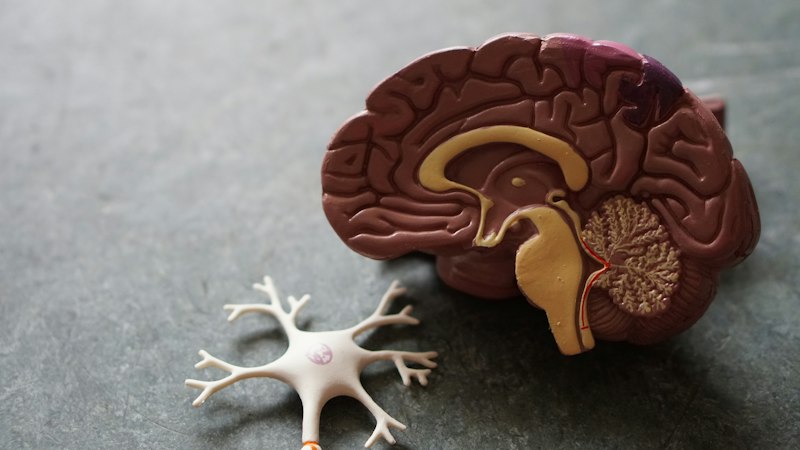
The vestibular system in the inner ear detects head rotation and linear acceleration. Dysfunction in this system produces true vertigo — a spinning or tilting illusion.
Peripheral Vertigo: When Your Inner Ear Is the Problem
Peripheral vertigo originates in the vestibular organs of the inner ear or the vestibular nerve. It accounts for approximately 80% of all vertigo cases and is generally less dangerous than central vertigo — but can be severely debilitating.
BPPV (Benign Paroxysmal Positional Vertigo)
BPPV is the single most common cause of vertigo, affecting approximately 2.4% of the population at some point. It occurs when tiny calcium carbonate crystals (otoconia) become dislodged from the utricle and migrate into one of the semicircular canals — usually the posterior canal. When you move your head in certain positions, these displaced crystals create abnormal fluid movement that the brain misinterprets as rotation.
Key features: Brief episodes (10-60 seconds) of intense spinning triggered by specific head movements (rolling over in bed, looking up, bending down). Nausea is common. No hearing loss or tinnitus (unless concurrent). The Epley maneuver resolves 80-90% of cases in one session.
Vestibular Neuritis
An inflammation of the vestibular nerve, usually caused by viral infection (often following an upper respiratory infection). It produces sudden, severe, continuous vertigo lasting days to weeks. Unlike labyrinthitis, hearing is preserved. The acute phase is treated with vestibular suppressants, followed by vestibular rehabilitation exercises as symptoms improve.
Key features: Sudden onset of severe constant vertigo, nausea/vomiting, difficulty walking. No hearing loss. Gradual improvement over 1-3 weeks. Complete recovery in most cases, though some patients develop chronic imbalance.
Labyrinthitis
Similar to vestibular neuritis but also involves the cochlea — producing vertigo and hearing loss, often with tinnitus. This is the condition that most directly connects vertigo to the tinnitus experience. Labyrinthitis can be viral or, less commonly, bacterial (which is a medical emergency requiring antibiotics).
Key features: Acute vertigo plus unilateral hearing loss and/or tinnitus. If bacterial origin is suspected (fever, ear discharge, recent ear infection), seek immediate medical attention.
Meniere's Disease
Episodic vertigo lasting 20 minutes to several hours, accompanied by fluctuating hearing loss, tinnitus, and aural fullness. Caused by endolymphatic hydrops (excess inner ear fluid). See our detailed guide on Meniere's disease and tinnitus.
Lushh includes vestibular exercises and daily vertigo tracking — download free →Central Vertigo: When the Brain Is the Problem
Central vertigo originates in the brainstem or cerebellum — the brain structures that process vestibular information. It accounts for approximately 20% of vertigo cases but is more likely to indicate serious pathology.
Key differences from peripheral vertigo:
- Less intense spinning but more persistent and harder to describe
- Nystagmus (involuntary eye movements) does not follow typical peripheral patterns — may be vertical or direction-changing
- Often accompanied by other neurological symptoms: double vision, slurred speech, coordination problems, numbness
- Less affected by head position changes
- Nausea may be less severe than peripheral vertigo despite the sensation being more constant
Causes of central vertigo:
- Vestibular migraine: The second most common cause of episodic vertigo (after BPPV). Vertigo episodes lasting minutes to hours, often with migraine headache features but sometimes without headache.
- Posterior circulation stroke: Sudden vertigo with neurological deficits. A medical emergency. The cerebellum and brainstem are supplied by the vertebrobasilar arterial system.
- Multiple sclerosis: Demyelination of vestibular pathways can produce episodic or chronic vertigo.
- Acoustic neuroma (vestibular schwannoma): A benign tumor on the vestibular nerve. Produces gradual unilateral hearing loss, tinnitus, and imbalance rather than acute spinning vertigo.

Distinguishing peripheral from central vertigo is a critical diagnostic step — peripheral vertigo is common and treatable; central vertigo may indicate stroke or other serious conditions.
Non-Vestibular Dizziness
Many people presenting with "dizziness" do not have vestibular dysfunction at all. Understanding these alternative causes prevents unnecessary vestibular investigations.
Cardiovascular causes: Orthostatic hypotension (blood pressure drops when standing), cardiac arrhythmias, aortic stenosis, and vasovagal syncope all produce lightheadedness and presyncope — not vertigo. The key differentiator: cardiovascular dizziness worsens with standing and improves with lying down, while vestibular vertigo often worsens with specific head movements regardless of posture.
Anxiety and hyperventilation: Anxiety-related dizziness is extremely common and often misdiagnosed as vestibular disorder. Hyperventilation reduces blood CO2, causing cerebral vasoconstriction and a "floating" or "unreal" sensation. Persistent Postural-Perceptual Dizziness (PPPD) — formerly called chronic subjective dizziness — is a condition where vestibular and anxiety symptoms become intertwined in a self-reinforcing cycle.
Medication side effects: Numerous medications cause dizziness, including blood pressure drugs, antidepressants (especially SSRIs during initiation or dose changes), benzodiazepines, anticonvulsants, and ototoxic drugs like aminoglycoside antibiotics and high-dose aspirin.
Metabolic causes: Hypoglycemia, anemia, thyroid dysfunction, and dehydration can all produce dizziness without vestibular involvement.
Track your vertigo episodes with Lushh — log triggers, duration, and severity to build a pattern your doctor can use for accurate diagnosis.
Download Lushh — Free →Red Flags: When to Go to the ER
Most vertigo and dizziness is benign and self-limiting. However, certain features indicate potential medical emergencies — primarily posterior circulation stroke — that require immediate evaluation.
Seek emergency care immediately if vertigo or dizziness is accompanied by:
- Sudden severe headache ("worst headache of my life") — may indicate hemorrhage
- Slurred speech or difficulty speaking — suggests brainstem stroke
- Weakness or numbness on one side of the body — classic stroke sign
- Double vision or visual field loss — posterior circulation ischemia
- Inability to walk or severe coordination problems — cerebellar involvement
- New neck pain or stiffness — vertebral artery dissection or meningitis
- High fever with vertigo — possible bacterial labyrinthitis or meningitis
- Recent head trauma — possible intracranial injury
The mnemonic HINTS (Head Impulse, Nystagmus, Test of Skew) is used by emergency physicians to differentiate benign vestibular neuritis from dangerous posterior circulation stroke. A 2009 study in Stroke demonstrated that HINTS was more sensitive for stroke diagnosis than early MRI in the acute phase — but this test requires clinical training and should not be self-administered.
The Diagnosis Pathway
If you have persistent or recurrent vertigo/dizziness, the diagnostic pathway typically involves:
- History taking: The most important diagnostic tool. Your doctor will ask about timing (episodic vs. constant), triggers (position changes, stress, noise), duration of episodes, associated symptoms (hearing loss, tinnitus, headache, nausea), and medical history.
- Physical examination: Including the Dix-Hallpike test (for BPPV), head impulse test (for vestibular function), otoscopy (ear examination), and neurological assessment.
- Audiometry: Hearing test to identify associated hearing loss — essential for differentiating between vestibular neuritis (no hearing loss) and labyrinthitis (hearing loss present).
- Vestibular testing: Videonystagmography (VNG), caloric testing, and vestibular evoked myogenic potentials (VEMPs) — specialized tests performed by audiologists or neurotologists.
- Imaging: MRI with contrast if acoustic neuroma or central cause is suspected. CT if temporal bone pathology is considered.
Self-Assessment Guide
While self-diagnosis is not a substitute for medical evaluation, asking yourself these questions can help you communicate more effectively with your healthcare provider:
Question 1: Does the world spin or tilt? If yes, this is likely true vertigo (vestibular origin). If you feel lightheaded, faint, or "off" without spinning, it may be non-vestibular dizziness.
Question 2: Is it triggered by head position changes? Rolling in bed, looking up at a shelf, or bending down triggering brief spinning strongly suggests BPPV.
Question 3: How long do episodes last? Seconds to a minute = BPPV. Minutes to hours = Meniere's or vestibular migraine. Days to weeks of constant vertigo = vestibular neuritis or labyrinthitis. Constant chronic dizziness without spinning = PPPD or non-vestibular cause.
Question 4: Is there hearing loss or tinnitus? Vertigo with hearing changes points to cochlear involvement — labyrinthitis, Meniere's, or acoustic neuroma. For more about vestibular rehabilitation exercises, see our dedicated guide.
Question 5: Are there neurological symptoms? Vision changes, speech difficulty, weakness, numbness, or severe headache alongside vertigo = seek emergency evaluation for possible stroke.
Frequently Asked Questions
What is the difference between vertigo and dizziness?
Vertigo is a specific type of dizziness characterized by a false sensation of movement — usually spinning or tilting. It indicates vestibular system dysfunction. Dizziness is a broader term that includes lightheadedness, unsteadiness, faintness, and disorientation. Vertigo always suggests a vestibular cause, while general dizziness can have cardiovascular, neurological, metabolic, or psychological origins.
When should I go to the ER for vertigo?
Seek emergency care if vertigo is accompanied by: sudden severe headache, slurred speech, weakness or numbness on one side, vision changes, difficulty walking, neck pain or stiffness, or high fever. These may indicate stroke, brain hemorrhage, or CNS infection requiring immediate treatment.
What is BPPV and how is it treated?
Benign Paroxysmal Positional Vertigo is the most common cause of vertigo, caused by displaced calcium carbonate crystals in the semicircular canals. It produces brief spinning episodes triggered by head position changes. The Epley maneuver resolves BPPV in 80-90% of cases in a single session.
Can dizziness be caused by anxiety?
Yes. Anxiety and panic disorders are among the most common causes of non-vestibular dizziness. Anxiety causes hyperventilation, muscle tension, and heightened attention to normal body sensations. Persistent Postural-Perceptual Dizziness (PPPD) is a condition where anxiety and vestibular symptoms become intertwined.
Track Vertigo and Tinnitus Together
Lushh helps you log vertigo episodes, tinnitus severity, and triggers daily — building the pattern data your doctor needs. Plus vestibular exercises, sound therapy, and CBT tools.
Download Lushh — FreeDisclaimer: This article is for informational purposes only and does not constitute medical advice. Vertigo and dizziness can have serious underlying causes. Always seek immediate medical attention for acute vertigo with neurological symptoms. Consult your healthcare provider for proper diagnosis and treatment.