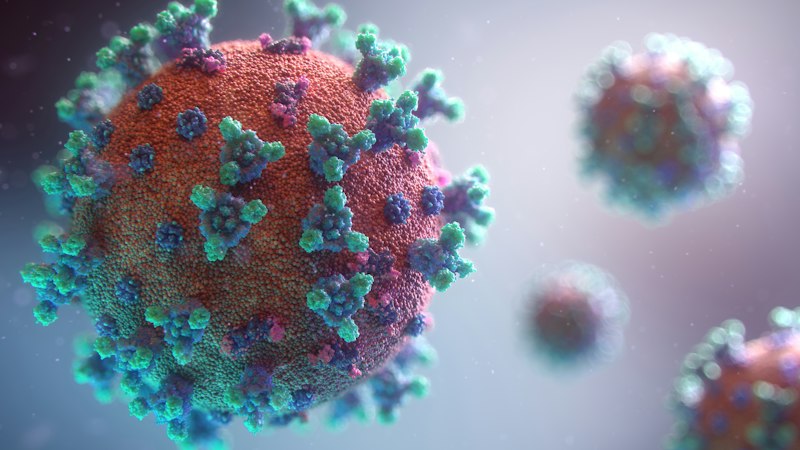
When the COVID-19 pandemic swept the world beginning in 2020, the focus was understandably on respiratory and cardiovascular complications. But as millions recovered from acute infection, an unexpected symptom emerged with troubling frequency: new-onset tinnitus, worsening of pre-existing tinnitus, and sudden hearing changes. By 2022, audiology clinics worldwide were reporting a measurable increase in tinnitus referrals linked to recent COVID infection.
Six years into the pandemic, the evidence base has matured significantly. We now understand the biological mechanisms by which SARS-CoV-2 can damage the auditory system, the scope of the problem across populations, and -- importantly -- the trajectory of recovery for most patients. This article synthesizes the current research to give you a comprehensive, evidence-based understanding of post-COVID tinnitus.
The Scope: How Common Is Post-COVID Tinnitus?
The incidence of tinnitus following COVID-19 has been examined in multiple systematic reviews and meta-analyses:
- Almufarrij et al. (2021) in the International Journal of Audiology conducted a rapid systematic review of 56 studies and estimated tinnitus prevalence among COVID-19 patients at 14.8%. This included both new-onset tinnitus and worsening of pre-existing tinnitus.
- Beukes et al. (2021) surveyed 3,103 people with pre-existing tinnitus across 48 countries. 40% reported that their tinnitus had worsened during the pandemic, though the study acknowledged that stress, isolation, and reduced access to healthcare likely contributed alongside direct viral effects.
- Jafari et al. (2022) published a meta-analysis in Frontiers in Public Health pooling data from 30 studies and estimated the pooled prevalence of new tinnitus attributable to COVID-19 at 7.6% -- lower than some earlier estimates but still representing millions of people worldwide.
- A UK-based REACT study (2022) using data from over 500,000 participants found that tinnitus was among the top 20 most commonly reported Long COVID symptoms, with an odds ratio of 1.3-1.5 compared to non-infected controls.
To put these numbers in context: if approximately 800 million people worldwide have had confirmed COVID-19 infections, and 7.6% developed new tinnitus, that represents approximately 60 million new tinnitus cases globally attributable to the virus. Even accounting for methodological limitations and confounding factors, the scale is significant.
How COVID Damages the Inner Ear: The ACE2 Pathway
The biological mechanism by which SARS-CoV-2 affects hearing has been elucidated through laboratory and autopsy studies:
ACE2 receptors in the inner ear. The virus enters human cells via the angiotensin-converting enzyme 2 (ACE2) receptor. In a landmark 2021 study published in Communications Medicine, Jeong et al. demonstrated that ACE2 receptors are expressed on multiple cell types within the human inner ear, including:
- Inner and outer hair cells of the cochlea -- the sensory cells responsible for sound detection
- Stria vascularis cells -- which maintain the electrochemical gradient essential for cochlear function
- Spiral ganglion neurons -- the neurons that transmit auditory signals to the brain
- Vestibular hair cells -- explaining why vertigo and balance problems also occur post-COVID
Using human inner ear organoids (lab-grown miniature inner ears), the researchers confirmed that SARS-CoV-2 can directly infect these cells, causing cellular damage and death. This was not merely a theoretical possibility -- it was demonstrated at the cellular level.
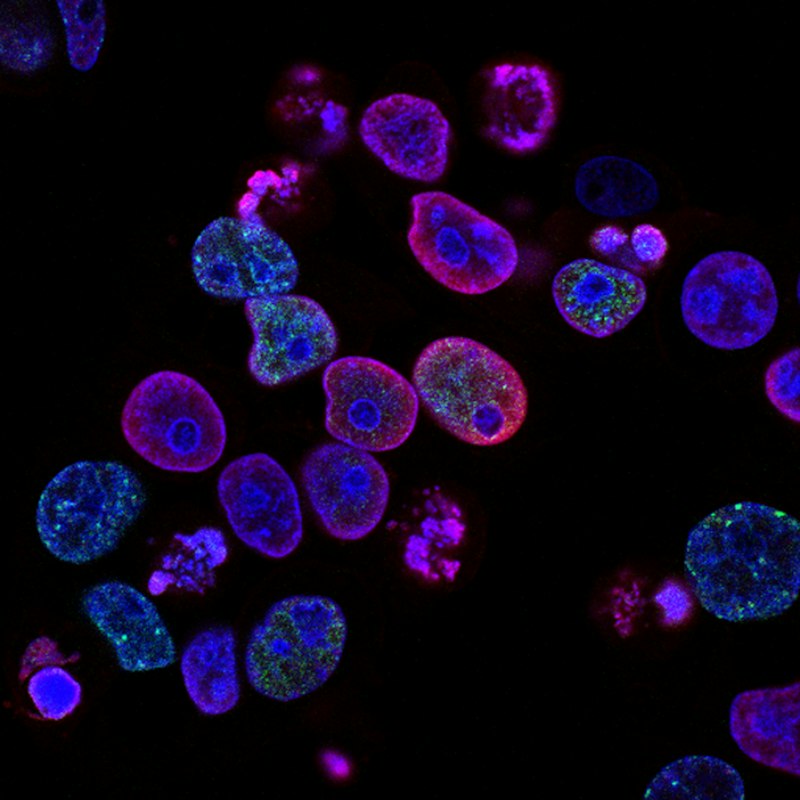
Research has confirmed that SARS-CoV-2 can directly infect inner ear hair cells and spiral ganglion neurons through ACE2 receptors, causing auditory damage.
Microvascular thrombosis. COVID-19 is known to cause a hypercoagulable state (increased blood clotting). The cochlea is supplied by a single terminal artery (the labyrinthine artery) with no collateral blood supply. Any microclot that blocks this artery or its branches can cause immediate ischemic damage to the cochlear hair cells -- essentially a "mini-stroke" of the inner ear. This mechanism may explain cases of sudden sensorineural hearing loss during or shortly after COVID infection.
Cytokine storm effects. The inflammatory cytokine cascade that characterizes severe COVID-19 (particularly IL-6, TNF-alpha, and IL-1beta) causes systemic inflammation that can affect the blood-labyrinth barrier -- the inner ear equivalent of the blood-brain barrier. When this barrier is compromised, inflammatory molecules enter the perilymph and endolymph, directly damaging hair cells and disrupting the ionic balance necessary for hearing.
Post-Viral Inflammation and Neuroinflammation
Beyond direct cochlear damage, COVID-19 triggers neuroinflammatory processes that can generate or amplify tinnitus through central mechanisms:
Auditory nerve inflammation. Post-mortem studies have found evidence of viral RNA and inflammatory infiltrates in the vestibulocochlear nerve (cranial nerve VIII) of deceased COVID patients (Correia et al., 2022). This auditory neuritis can disrupt signal transmission from the cochlea to the brainstem, creating the kind of "deafferentation" that leads to central tinnitus -- similar to the mechanism in hearing loss-associated tinnitus.
Central auditory pathway inflammation. Neuroimaging studies of Long COVID patients have revealed increased microglial activation (the brain's immune cells) in auditory processing regions, including the inferior colliculus and medial geniculate body. This neuroinflammation can increase the spontaneous firing rate of auditory neurons -- the fundamental mechanism of central tinnitus.
Autonomic nervous system dysregulation. COVID-19 frequently disrupts the autonomic nervous system, causing a condition known as dysautonomia. The resulting sympathetic overactivation increases cortisol, heart rate, and neural excitability -- all of which amplify tinnitus perception through the stress-tinnitus pathway.
Long COVID Auditory Symptoms
Tinnitus is one of several auditory and vestibular symptoms that can persist as part of Long COVID (post-acute sequelae of SARS-CoV-2 infection, or PASC). The full spectrum of Long COVID audiovestibular symptoms includes:
- Tinnitus (new onset or worsened) -- the most common auditory symptom, reported in 7-15% of Long COVID patients
- Hearing loss -- typically mild to moderate, sensorineural, sometimes sudden. Reported in 3-6% of cases
- Hyperacusis -- increased sensitivity to sounds that were previously tolerable. See our guide on hyperacusis
- Autophony -- hearing your own voice or breathing abnormally loudly, suggesting Eustachian tube or middle ear dysfunction
- Vertigo and dizziness -- related to vestibular involvement via the same ACE2 pathway. See vertigo versus dizziness
- Aural fullness -- a sensation of pressure or blockage in one or both ears
- Auditory processing difficulties -- trouble understanding speech in noise, even with normal audiometric thresholds ("hidden hearing loss")
A critical observation: the severity of acute COVID infection does not reliably predict audiovestibular symptoms. Patients with mild, even asymptomatic infections have developed tinnitus and hearing changes. This is consistent with the ACE2 mechanism -- the virus can reach the inner ear regardless of respiratory severity.
Track your post-COVID tinnitus recovery with Lushh. Daily severity ratings create a timeline your doctor can use to assess your progress.
Download Lushh -- Free →Vaccine-Related Reports
Reports of tinnitus following COVID-19 vaccination have appeared in pharmacovigilance databases including the US Vaccine Adverse Event Reporting System (VAERS), the UK Yellow Card system, and the EU EudraVigilance database. These reports have understandably generated concern. Here is what the evidence shows:
VAERS data: As of mid-2023, approximately 18,000 reports of tinnitus following COVID vaccination had been submitted to VAERS. This sounds substantial but represents a tiny fraction of the approximately 670 million doses administered in the US. VAERS is a passive reporting system that does not establish causation -- anyone can submit a report, and temporal association (tinnitus happening after vaccination) does not prove causation.
Controlled studies: The most rigorous evidence comes from population-based controlled studies:
- Yanir et al. (2022) published in JAMA Otolaryngology analyzed data from 2.6 million vaccinated and 2.6 million unvaccinated individuals in Israel. They found no statistically significant increase in tinnitus incidence in the vaccinated group after adjusting for age, sex, and comorbidities.
- Tamsa et al. (2023) conducted a systematic review of 14 studies examining audiovestibular symptoms post-vaccination and concluded that "the current evidence does not support a causal relationship between COVID-19 vaccination and tinnitus."
The scientific consensus is that while isolated cases of post-vaccination tinnitus may occur (as with any vaccine triggering a temporary immune response), the risk is far smaller than the risk of tinnitus from COVID-19 infection itself. Vaccination remains strongly recommended.
Recovery Timeline and Prognosis
The recovery trajectory for post-COVID tinnitus varies significantly between individuals, but longitudinal data provides general guidance:
- Acute phase (0-4 weeks post-infection): Tinnitus is often at its most severe during and immediately after active COVID infection. Stress, fever, fatigue, and inflammation all contribute. Approximately 20-30% of patients see spontaneous resolution during this phase.
- Subacute phase (1-6 months): The most common window for improvement. As post-viral inflammation subsides and the immune system normalizes, approximately 40-50% of patients report meaningful reduction in tinnitus severity.
- Chronic phase (6-12 months): If tinnitus persists beyond 6 months, it is more likely to become chronic, though continued gradual improvement is still possible. An additional 15-20% of patients improve during this phase.
- Long-term (12+ months): Approximately 20-30% of patients with post-COVID tinnitus report persistent symptoms beyond one year. However, habituation (the brain's natural process of reducing tinnitus awareness) continues indefinitely. See our article on habituation and tinnitus.

Most post-COVID tinnitus improves within 3-12 months, though recovery timelines vary significantly between individuals.
Factors associated with better recovery:
- Younger age at infection
- No pre-existing hearing loss
- Mild acute COVID symptoms
- Early initiation of sound therapy and stress management
- Absence of comorbid Long COVID symptoms (fatigue, brain fog)
Management Strategies for Post-COVID Tinnitus
Management of post-COVID tinnitus follows the same evidence-based principles as management of any tinnitus, with some COVID-specific considerations:
Sound Therapy
Sound enrichment is the first-line intervention. The post-COVID auditory system benefits from gentle, consistent sound input that helps recalibrate hyperactive neural pathways. Lushh provides 65+ therapeutic sounds -- from white and pink noise to nature soundscapes -- that can be used for daytime enrichment and nighttime sleep support. Start sound therapy with Lushh →
Audiological Assessment
A baseline hearing test is essential within the first few weeks of developing post-COVID tinnitus. This establishes whether there is measurable hearing loss (which may be treatable), provides a baseline for monitoring recovery, and identifies whether hearing aids or masking devices are appropriate.
Anti-Inflammatory Support
Given the inflammatory mechanism of COVID-related auditory damage, some clinicians prescribe short courses of oral corticosteroids (prednisone) for acute post-COVID hearing loss and tinnitus, particularly if there is concurrent sudden sensorineural hearing loss. The evidence for steroids in tinnitus alone (without measurable hearing loss) is less clear, but it remains a clinical judgment call.
Stress and Mental Health Management
COVID illness and its aftermath are profoundly stressful. The psychological burden of illness, isolation, uncertainty about recovery, and potential job or financial impacts creates a stress environment that directly amplifies tinnitus. CBT for tinnitus, mindfulness meditation, and breathing exercises are all evidence-based approaches that address the stress-amplification component.
Sleep Optimization
COVID frequently disrupts sleep architecture, and sleep deprivation is one of the most reliable tinnitus aggravators. Prioritize sleep hygiene, use sound therapy at night, and address insomnia aggressively. Good sleep is not just quality of life -- it is a recovery-enabling intervention for post-COVID auditory symptoms.
Tracking and Monitoring
Daily tracking of tinnitus severity, triggers, and recovery patterns provides valuable data both for your own understanding and for clinical follow-up. Lushh's daily tracking feature and THI score monitoring create an objective record that can demonstrate improvement trends that might not be apparent day to day.
Lushh provides everything you need for post-COVID tinnitus management: sound therapy, frequency matching, CBT exercises, daily tracking, and PDF reports for your doctor.
Download Lushh -- Free →When to Seek Urgent Care
While most post-COVID tinnitus follows a gradual, benign course, certain presentations warrant urgent medical evaluation:
- Sudden hearing loss in one or both ears: This is a medical emergency. See our article on sudden hearing loss and tinnitus. Treatment with steroids within 72 hours significantly improves outcomes.
- Pulsatile tinnitus: Tinnitus that beats with your pulse may indicate vascular inflammation or thrombosis. Seek ENT evaluation.
- Severe vertigo episodes: May indicate COVID-related vestibular damage requiring urgent assessment.
- Facial numbness or weakness on one side: Could indicate cranial nerve involvement. Seek emergency evaluation.
- Rapidly progressive hearing loss over days to weeks: Needs audiological assessment and potentially imaging.
Frequently Asked Questions
Can COVID-19 cause tinnitus?
Yes. Systematic reviews report that 7.6-14.8% of COVID-19 patients develop new or worsened tinnitus. The virus can damage the inner ear through direct infection of cochlear cells (which express ACE2 receptors), post-viral inflammation, microvascular thrombosis affecting cochlear blood supply, and neuroinflammation affecting the auditory nerve and central pathways. Tinnitus can appear during acute infection, weeks later, or as part of Long COVID syndrome.
How long does COVID-related tinnitus last?
Recovery varies significantly. Approximately 40-50% of patients report improvement within 3-6 months. About 25-30% see improvement by 12 months. However, 20-30% of patients with post-COVID tinnitus report persistent symptoms beyond 12 months, particularly those with Long COVID. Early intervention with sound therapy and stress management appears to improve outcomes.
Did the COVID vaccine cause tinnitus?
Reports of tinnitus following COVID vaccination exist in pharmacovigilance databases, but the evidence for a causal link is weak. A large population-based study in Israel found no statistically significant increase in tinnitus incidence following vaccination compared to unvaccinated controls. The benefits of vaccination in preventing severe COVID -- which has a much stronger association with tinnitus -- far outweigh this theoretical risk.
Should I see a doctor for tinnitus after COVID?
Yes. If you develop new tinnitus during or after COVID-19 infection, schedule an evaluation with an audiologist or ENT specialist. They should perform a hearing test to check for COVID-related hearing loss, assess for middle ear involvement, and establish a baseline for monitoring. If your tinnitus is accompanied by sudden hearing loss, vertigo, or facial weakness, seek urgent evaluation.
Start Managing Post-COVID Tinnitus Today
Lushh provides the complete toolkit: 65+ therapeutic sounds, precision frequency matching, notch therapy, CBT exercises, daily tracking, and PDF reports you can share with your doctor.
Download Lushh -- FreeDisclaimer: This article is for informational purposes only and does not constitute medical advice. If you are experiencing tinnitus or hearing changes after COVID-19 infection, please consult an audiologist or ENT specialist for proper evaluation and management. This article does not provide advice on COVID-19 vaccination -- consult your healthcare provider for vaccination guidance.