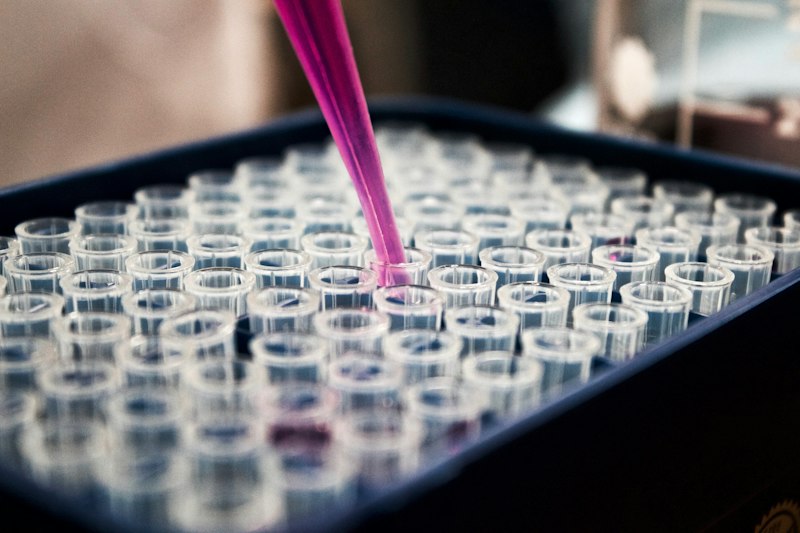
The tinnitus research pipeline in 2026 is the most active it has ever been. After decades of the condition being dismissed as untreatable, multiple research programs are now in Phase 2 and Phase 3 clinical trials, targeting everything from cochlear drug delivery to neural circuit remodeling to hair cell regeneration. For the estimated 750 million people worldwide living with tinnitus, this is genuinely encouraging.
But hope must be tempered with realism. Drug development is a long, failure-prone process. For every compound that enters Phase 1 trials, only about 10% make it to market. This article provides a comprehensive, honest overview of what is in the pipeline, what the data shows so far, and what realistic timelines look like.
The 2026 Tinnitus Research Landscape
The current research landscape can be divided into four major categories: pharmacological (drugs targeting specific neural or cochlear mechanisms), neuromodulation devices (electrical or magnetic stimulation of the brain or nerves), regenerative medicine (hair cell regrowth and gene therapy), and combination approaches (pairing sound therapy with other modalities).
According to ClinicalTrials.gov, there are over 120 active clinical trials for tinnitus globally as of early 2026. This represents a threefold increase from 2015, driven by improved understanding of tinnitus neuroscience, new drug delivery technologies, and increased funding from both government agencies and venture capital.
OTO-313: Intratympanic NMDA Antagonist
OTO-313, developed by Otonomy (now part of a restructured entity), is an intratympanic injection of gacyclidine, an NMDA receptor antagonist. The rationale is that tinnitus involves excessive glutamate signaling in the cochlea and auditory brainstem, and blocking NMDA receptors at the cochlear level could reduce this excitotoxicity.
The drug is delivered directly into the middle ear via a needle through the tympanic membrane, allowing high local concentrations with minimal systemic exposure. Otonomy's proprietary sustained-release formulation was designed to maintain therapeutic levels for weeks from a single injection.
Clinical Trial Results
The Phase 1/2 trial showed promising signals: patients receiving OTO-313 reported greater reduction in Tinnitus Functional Index (TFI) scores compared to placebo at 4 and 8 weeks. However, the Phase 2 trial (published in 2023) delivered mixed results. While certain subgroups showed improvement, the overall primary endpoint was not met, and the difference between OTO-313 and placebo was not statistically significant across the full study population.
The program has undergone restructuring. Analysis of responder subgroups suggests the drug may be more effective in patients with recent-onset tinnitus (under 6 months) and tinnitus with documented cochlear damage. Revised trials targeting these subgroups are being planned.
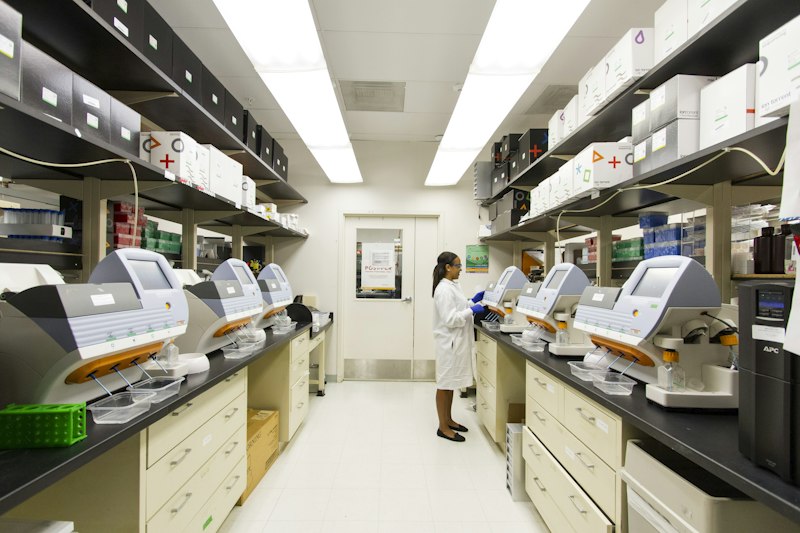
Intratympanic drug delivery allows targeted treatment of cochlear mechanisms without systemic side effects.
The Susan Shore Device: Gold Standard Bimodal
Dr. Susan Shore's bimodal stimulation device, developed at the University of Michigan, is arguably the most scientifically rigorous tinnitus device in development. It pairs sound stimulation with electrical stimulation of the somatosensory system (via electrodes placed on the cheek or neck), targeting the dorsal cochlear nucleus (DCN) where auditory and somatosensory information converge.
What sets the Shore device apart from Lenire is its published double-blind, sham-controlled randomized clinical trial. Published in JAMA Otolaryngology in 2023, the trial showed:
- Active treatment significantly outperformed sham on the TFI (p = 0.003)
- Mean TFI reduction of 7.8 points in the active group versus 2.1 in sham
- The treatment effect was specific to the bimodal stimulation, not just the sound component alone
- Benefits were sustained at the 6-week washout assessment
"This is the first tinnitus device to demonstrate efficacy over sham in a properly controlled trial. The implications for both treatment and our understanding of tinnitus mechanisms are substantial." — Editorial, JAMA Otolaryngology, 2023
The device is expected to be commercialized through a startup company (Auricle), with anticipated market availability in late 2026 or 2027. Pricing is expected to be in the $3,000-$4,000 range.
Other Bimodal Stimulation Approaches
Dr. Sven Vanneste's Approaches
Dr. Vanneste at the University of Texas at Dallas has been investigating various forms of neuromodulation, including transcranial direct current stimulation (tDCS) paired with sound therapy. His work has shown that targeting specific brain networks (particularly the default mode network and salience network) can modulate tinnitus perception.
Dr. Shaowen Bhatt's Bimodal Protocol
Dr. Bhatt at the University of Iowa has been developing bimodal stimulation protocols that pair sound with transcutaneous vagus nerve stimulation (tVNS). Building on the DARPA-funded work on vagus nerve stimulation for tinnitus, this non-invasive approach aims to leverage the vagus nerve's role in neuroplasticity. Early-phase trials are showing promising results with reduced tinnitus severity in 60-70% of participants.
While research advances, manage your tinnitus today. Lushh uses the same sound therapy principles that form the foundation of these clinical trials.
Try Evidence-Based Sound Therapy →Gene Therapy and Hair Cell Regeneration
Perhaps the most exciting long-term prospect for tinnitus is the possibility of regenerating the damaged hair cells in the cochlea that often trigger the condition in the first place. Unlike birds and fish, mammals lost the ability to regenerate cochlear hair cells during evolution. But recent breakthroughs suggest this may be reversible.
FX-322 (Frequency Therapeutics)
FX-322 was a small-molecule drug designed to activate progenitor cells in the cochlea, stimulating them to divide and differentiate into new hair cells. The approach used Wnt and Notch signaling pathway modulators delivered via intratympanic injection.
The Phase 1/2 trial showed exciting signals: some participants demonstrated improvements in word recognition scores, suggesting new hair cell function. However, the larger Phase 2 trial failed to meet its primary endpoint. The company attributed this partly to trial design issues (the repeated injection schedule may have caused inflammation that interfered with the treatment). The program has been restructured but remains active.
Atoh1 Gene Therapy
Several research groups are using viral vectors (typically AAV) to deliver the Atoh1 transcription factor gene directly into the cochlea. Atoh1 (also called Math1) is the master regulator of hair cell development. In animal models, Atoh1 delivery has produced functional hair cells from supporting cells.
Eli Lilly's partnership with Akouos (now part of Lilly) is pursuing this approach, with human clinical trials in planning stages. The challenge is precision: the gene therapy must produce the right number of hair cells, in the right location, with proper innervation to the auditory nerve.
GABA Modulators and Pharmacology
The inhibitory neurotransmitter GABA plays a crucial role in auditory processing. In tinnitus, there is evidence of reduced GABAergic inhibition in the auditory cortex and inferior colliculus, contributing to the neuronal hyperactivity that produces phantom sound. Several pharmaceutical approaches target this mechanism.
Selective GABA-A Modulators
Traditional benzodiazepines (which enhance GABA-A receptor function) have shown short-term efficacy for tinnitus but are unsuitable for long-term use due to dependence and tolerance. New compounds targeting specific GABA-A receptor subtypes (alpha-2/alpha-3 selective) aim to reduce auditory cortex hyperactivity without the sedation and addiction potential of benzodiazepines. Several are in Phase 1 trials.
Potassium Channel Openers (Kv7/KCNQ)
Kv7 potassium channels regulate neural excitability. Their dysfunction has been implicated in tinnitus, and opening these channels could reduce the spontaneous firing that produces phantom sound. Retigabine (an existing epilepsy drug that opens Kv7 channels) showed promise in animal models but had too many side effects for chronic use. Next-generation Kv7 openers with improved safety profiles are in preclinical development.
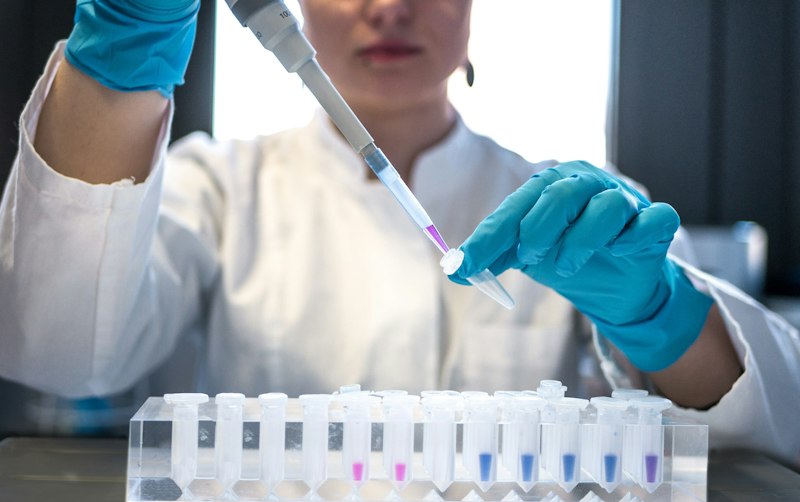
Targeted pharmacological approaches aim to correct specific neurochemical imbalances that drive tinnitus.
Stem Cell Research
Stem cell therapy for hearing loss and tinnitus is in the earliest stages of research but holds long-term promise. The approach involves either transplanting stem cell-derived hair cells into the cochlea or using stem cells to create growth factors that support existing hair cell survival and regeneration.
Japanese researchers at Keio University have made significant progress in differentiating induced pluripotent stem cells (iPSCs) into functional hair cell-like cells in the laboratory. However, the leap from petri dish to functioning cochlea is enormous. Challenges include cell survival after transplantation, proper integration with the auditory nerve, and tonotopic organization (the cells need to respond to the correct frequencies).
Realistic timeline: Stem cell therapy for hearing restoration is likely 15-25 years from clinical availability. For tinnitus specifically, it would depend on whether hearing restoration at the cochlear level resolves the central neural changes that drive tinnitus perception.
Realistic Timeline Check
Here is an honest assessment of when different approaches might be available:
- 2026-2027: Susan Shore bimodal device (commercialization). Additional Lenire clinical data. Revised OTO-313 subgroup trials
- 2027-2030: Non-invasive vagus nerve stimulation devices. Next-generation bimodal devices. Possible first GABA-A subtype-selective drugs entering Phase 2
- 2030-2035: First gene therapy trials for hearing restoration in humans. Advanced neuromodulation combining AI-driven personalization. Possible first targeted pharmaceutical for tinnitus reaching market
- 2035-2045: Hair cell regeneration therapies potentially available. Stem cell approaches in clinical trials. Combination therapies (gene therapy + neuromodulation) being investigated
The most important takeaway: effective management tools exist today. Sound therapy, notch therapy, CBT, and neuromodulation devices already help millions of people live well with tinnitus. Waiting for a future cure while neglecting current management is a strategy that costs years of quality of life. Start managing today with Lushh →
Frequently Asked Questions
What is the most promising tinnitus treatment in clinical trials?
As of 2026, the Susan Shore bimodal stimulation device from the University of Michigan is considered the most promising near-term treatment. It is the only device that has demonstrated efficacy in a double-blind, sham-controlled randomized clinical trial, and it is expected to reach market in 2026-2027.
Will there be a pill for tinnitus?
Several pharmaceutical approaches are in development, including NMDA antagonists, GABA modulators, and potassium channel openers. While a tinnitus-specific pill is theoretically possible, none have yet demonstrated sufficient efficacy in large-scale trials. A pharmaceutical treatment likely remains 5-10 years away at minimum.
Can gene therapy cure tinnitus?
Gene therapy for hearing restoration is in early development, primarily targeting hair cell regeneration via Atoh1 gene delivery. If cochlear hair cells can be regrown, the neural hyperactivity driving tinnitus may resolve. However, this approach is realistically 10-20 years from clinical availability.
Future treatments are coming, but effective management is available now. Lushh provides notch therapy, 65+ sounds, CBT, and tracking based on the same science driving these trials.
Don't Wait — Start Managing Today →Manage Your Tinnitus While Research Advances
Sound therapy and notch filtering are the foundation of modern tinnitus management. Lushh puts these tools in your pocket with 65+ sounds, frequency matching, CBT exercises, and daily tracking.
Download Lushh — FreeDisclaimer: This article is for informational purposes only and does not constitute medical advice. Clinical trial information is based on publicly available data from ClinicalTrials.gov and peer-reviewed publications. Trial outcomes and timelines are subject to change. Always consult your healthcare provider for treatment decisions.