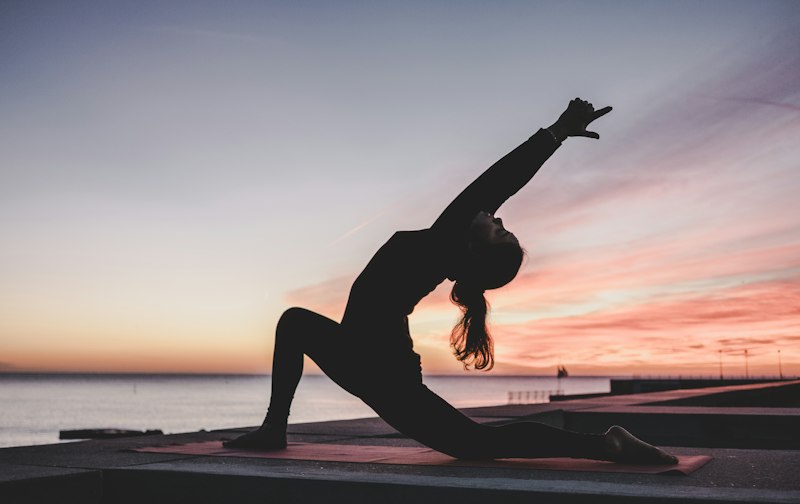
For many of the estimated 750 million people worldwide living with tinnitus, the connection between stress and ringing is unmistakable. A difficult day at work, a sleepless night, an argument with a partner -- and suddenly the phantom sound in your ears surges louder, more insistent, harder to ignore. This bidirectional relationship between stress and tinnitus perception is not imagined. It is one of the most well-documented phenomena in tinnitus research, and it points to a powerful therapeutic lever: if you can systematically reduce stress, you can measurably reduce tinnitus severity.
Yoga -- a practice combining physical postures, controlled breathing, and mindful awareness -- directly targets the physiological stress pathways that amplify tinnitus. This is not speculation. A growing body of clinical evidence suggests that regular yoga practice can reduce cortisol levels by 15-30%, activate the parasympathetic nervous system, and decrease scores on the Tinnitus Handicap Inventory (THI) within 8-12 weeks of consistent practice.
The Stress-Cortisol-Tinnitus Pathway
To understand why yoga helps tinnitus, you need to understand the neurobiological loop that connects stress to perceived ringing. The pathway works like this:
- Stress activates the hypothalamic-pituitary-adrenal (HPA) axis. Your brain detects threat (real or perceived) and triggers cortisol release from the adrenal glands.
- Cortisol increases neural excitability. Elevated cortisol makes neurons throughout the brain more prone to firing, including the hyperactive auditory neurons responsible for tinnitus. Research published in Hearing Research (Mazurek et al., 2012) demonstrated that cortisol directly increases spontaneous firing rates in the auditory cortex.
- Tinnitus loudness increases. With more spontaneous neural firing, the phantom sound becomes louder and more intrusive.
- Increased tinnitus triggers more stress. The louder, more noticeable ringing generates anxiety and frustration, which feeds back into step one.
This creates a self-reinforcing cycle. The limbic system (your emotional brain) and the auditory cortex become functionally linked -- each amplifying the other. Neuroimaging studies using fMRI have shown that tinnitus sufferers with high distress levels exhibit stronger connectivity between the amygdala and auditory cortex compared to those who have habituated to their tinnitus (Rauschecker et al., 2010).
Yoga intervenes at multiple points in this cycle simultaneously. It reduces cortisol production, dampens sympathetic nervous system activation, strengthens parasympathetic tone, and retrains the brain's attention networks away from the tinnitus signal. This multi-target approach is why yoga often outperforms single-mechanism interventions for tinnitus-related distress.
Why Yoga Works for Tinnitus: The Mechanisms
Yoga is not simply stretching with ambient music. The practice engages at least four distinct physiological mechanisms relevant to tinnitus relief:
Vagus nerve stimulation. Many yoga poses and all pranayama (breathing) techniques stimulate the vagus nerve -- the primary conduit of the parasympathetic nervous system. Vagal tone is inversely correlated with tinnitus severity. When vagal tone increases, heart rate variability improves, cortisol drops, and the "fight-or-flight" activation that amplifies tinnitus recedes. This is the same mechanism being explored in clinical trials of electrical vagus nerve stimulation for tinnitus.
GABA enhancement. A 2007 study in the Journal of Alternative and Complementary Medicine (Streeter et al.) found that a single 60-minute yoga session increased brain GABA levels by 27% compared to a control group who read for the same duration. GABA is the brain's primary inhibitory neurotransmitter -- the chemical that tells overactive neurons to quiet down. Given that tinnitus is fundamentally a disorder of neural hyperactivity, boosting GABA production through yoga directly addresses the underlying pathophysiology.
Attention network retraining. Yoga requires sustained internal attention -- awareness of body position, breath rhythm, and muscle engagement. This focused awareness activates the dorsal attention network while suppressing the default mode network (DMN). The DMN, when unchecked, is strongly implicated in tinnitus rumination. Regular yoga practice strengthens voluntary attentional control, making it easier to redirect focus away from tinnitus throughout the day.
Improved cerebral and cochlear blood flow. Specific yoga postures enhance blood circulation to the head and neck, potentially improving oxygenation of the cochlea and auditory nerve. While evidence here is less robust than for the stress-reduction mechanisms, preliminary studies suggest that improved vascular function in the inner ear may support auditory health over time.
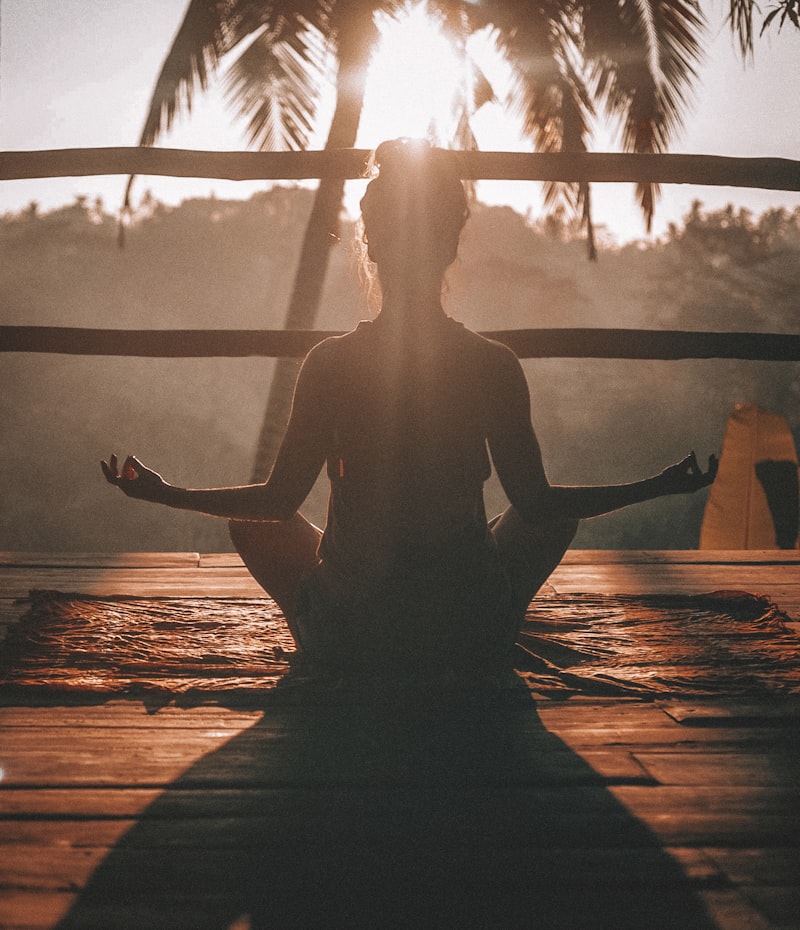
Regular yoga practice activates the parasympathetic nervous system and reduces the cortisol levels that amplify tinnitus perception.
5 Yoga Poses for Tinnitus Relief
The following five poses were selected for their evidence-based effects on the stress-tinnitus pathway. They are gentle, accessible to beginners, and specifically target parasympathetic activation, neck and jaw tension release, and nervous system regulation. You do not need any prior yoga experience.
1. Balasana (Child's Pose)
Why it helps tinnitus: Child's pose activates the "rest and digest" response by gently compressing the abdomen (stimulating the vagus nerve), releasing neck and shoulder tension (common tinnitus aggravators), and creating a sense of enclosure that calms the nervous system. It also gently stretches the posterior neck muscles that can contribute to somatic tinnitus.
How to practice:
- Kneel on the floor with your big toes touching and knees hip-width apart (or wider for comfort).
- Exhale and fold forward, bringing your forehead to the floor (or a folded blanket).
- Extend your arms forward, palms down, or place them alongside your body with palms up.
- Allow your entire body to soften. Let gravity do the work -- do not push.
- Breathe slowly through the nose: 4-count inhale, 6-count exhale. Hold for 2-5 minutes.
Tinnitus-specific tip: Focus your attention on the sensation of your forehead against the floor and the rhythm of your breath rather than the sound in your ears. This deliberate attention redirect is a form of mindfulness-based habituation training.
2. Viparita Karani (Legs Up the Wall)
Why it helps tinnitus: This gentle inversion promotes venous return from the legs, reduces heart rate within minutes, and triggers deep parasympathetic activation. A 2015 study in the International Journal of Yoga found that Viparita Karani held for 10 minutes reduced systolic blood pressure by an average of 8 mmHg and cortisol by 12%. It is considered safe even for people who should avoid full inversions.
How to practice:
- Sit sideways against a wall, then gently swing your legs up as you lower your back to the floor.
- Your buttocks should be 2-6 inches from the wall (not pressed against it).
- Rest your arms at your sides with palms facing up, or place one hand on your chest and one on your belly.
- Close your eyes. Breathe naturally, then gradually deepen to slow diaphragmatic breathing.
- Hold for 5-15 minutes. Use a folded blanket under your hips for added comfort.
Tinnitus-specific tip: This is an ideal pose for combining with tinnitus-specific breathing exercises or listening to therapeutic sounds through Lushh at low volume. The combination of physical relaxation and sound therapy creates a dual-pathway intervention.
Pair your yoga practice with Lushh's therapeutic soundscapes. Play calming nature sounds or pink noise during savasana for maximum tinnitus relief.
Download Lushh -- Free →3. Matsyasana (Supported Fish Pose)
Why it helps tinnitus: Supported fish pose opens the chest and throat, stretches the sternocleidomastoid (SCM) and scalene muscles -- two muscle groups frequently implicated in cervicogenic tinnitus -- and stimulates the thyroid and parathyroid regions. The gentle cervical extension also decompresses the vertebral arteries that supply blood to the brainstem auditory nuclei.
How to practice:
- Place a yoga bolster, firm pillow, or rolled blanket lengthwise behind you on the floor.
- Sit at the edge of the support, then lean back so the bolster runs along your spine from mid-back to head.
- Let your arms rest at your sides, palms up, shoulders releasing toward the floor.
- Allow your head to rest on the bolster (add height with a blanket if your neck strains).
- Legs can be extended straight, soles of feet together in butterfly, or knees bent with feet flat.
- Breathe slowly and deeply into the chest expansion. Hold 3-7 minutes.
Tinnitus-specific tip: If you experience TMJ-related tinnitus, let your jaw drop slightly open in this pose and consciously relax the masseter muscles. The gentle stretch through the anterior neck can release tension patterns contributing to jaw-mediated ringing.
4. Marjaryasana-Bitilasana (Cat-Cow)
Why it helps tinnitus: This dynamic movement sequence coordinates breath with spinal flexion and extension, creating a rhythmic parasympathetic stimulation. It mobilizes the cervical spine, releases tension in the trapezius and levator scapulae, and promotes cerebrospinal fluid circulation. The rhythmic quality of cat-cow also serves as a moving meditation -- the repetitive motion provides an attentional anchor that naturally draws focus away from tinnitus.
How to practice:
- Begin on hands and knees -- wrists under shoulders, knees under hips. Fingers spread wide.
- Cow (inhale): Drop your belly toward the floor, lift your chest and tailbone, gaze gently forward. Allow the movement to travel through every vertebra.
- Cat (exhale): Round your spine toward the ceiling, tuck your chin to chest, draw your belly button toward spine. Feel the stretch through the entire back.
- Move slowly -- each transition takes a full 4-5 second breath. No rushing.
- Repeat 10-15 rounds. Close your eyes to deepen internal awareness.
Tinnitus-specific tip: During the cat phase, make a gentle humming or buzzing sound as you exhale. This "Brahmari" variation adds vagus nerve stimulation through vocal cord vibration while creating an external sound that naturally redirects auditory attention from tinnitus.
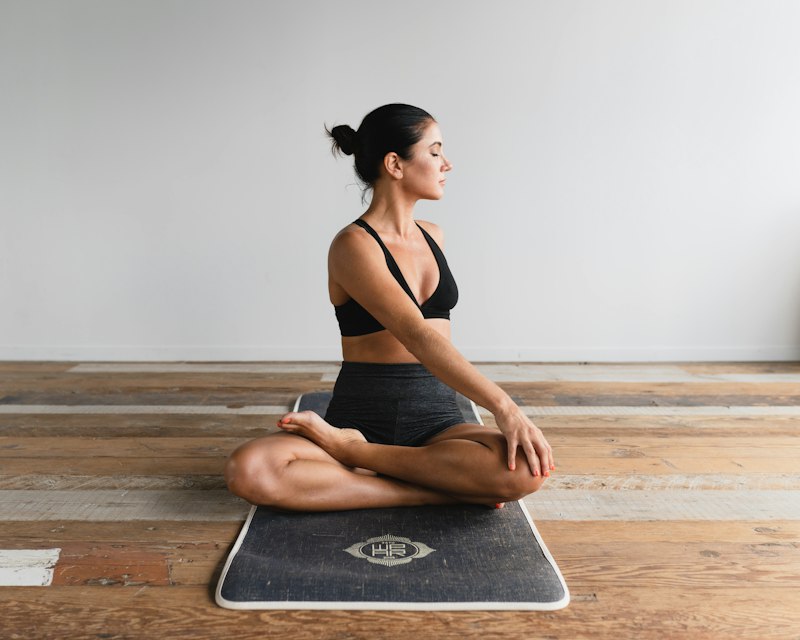
Cat-Cow and other gentle spinal movements release neck tension that frequently aggravates tinnitus perception.
5. Savasana (Corpse Pose)
Why it helps tinnitus: Savasana is the most directly therapeutic pose for tinnitus because it combines complete physical stillness with conscious relaxation -- creating the ideal conditions for the nervous system to shift from sympathetic to parasympathetic dominance. Research on yoga nidra (a guided form of savasana) has shown cortisol reductions of up to 25% in a single 30-minute session (Kamakhya Kumar, 2008).
How to practice:
- Lie flat on your back. Legs slightly apart, toes falling outward naturally. Arms 6-8 inches from your body, palms facing up.
- Place a small pillow under your head if your chin tilts upward. A bolster under the knees relieves lower back strain.
- Close your eyes. Perform a slow body scan from toes to crown -- consciously releasing tension in each area.
- Do not try to stop thinking or silence your tinnitus. Simply observe without reacting. Notice the ringing as you would notice a distant sound -- present but not requiring your attention.
- Remain for 10-20 minutes. Use a timer so you can fully release the need to track time.
Tinnitus-specific tip: This is the ideal moment to play Lushh sound therapy at a very low volume through a speaker (not headphones). Choose a sound that partially blends with your tinnitus -- pink noise or nature sounds work well. The combination of deep physical relaxation plus gentle sound enrichment creates conditions for accelerated habituation. Try it free with Lushh →
Pranayama: Breathing Techniques That Calm the Auditory System
Pranayama -- the yogic science of breath control -- is arguably more important than physical postures for tinnitus management. Controlled breathing is the single most accessible way to activate the vagus nerve on demand, and the vagus nerve is the master switch of parasympathetic dominance.
Nadi Shodhana (Alternate Nostril Breathing)
This technique balances sympathetic and parasympathetic nervous system activity. A 2013 study in the International Journal of Yoga (Telles et al.) demonstrated that just 15 minutes of alternate nostril breathing significantly reduced perceived stress and improved heart rate variability -- both directly relevant to tinnitus management.
Practice: Sit comfortably with spine erect. Using your right hand, close your right nostril with your thumb. Inhale through the left nostril for 4 counts. Close the left nostril with your ring finger, release the right, exhale through the right for 6 counts. Inhale through the right for 4 counts. Close right, release left, exhale left for 6 counts. This completes one round. Practice 5-10 rounds.
Brahmari Pranayama (Bee Breath)
Brahmari is specifically studied for tinnitus. The technique involves making a humming sound during exhalation, creating vibrations that stimulate the vagus nerve through the laryngeal branch, produce calming resonance in the skull, and generate a controlled external sound that naturally competes with tinnitus for auditory attention. A 2019 pilot study published in ENT Journal found that participants who practiced Brahmari pranayama for 10 minutes twice daily reported a 22% reduction in THI scores after 6 weeks.
Practice: Sit comfortably, close your eyes. Optionally, gently press the tragus of each ear with your index fingers (Shanmukhi Mudra). Inhale deeply through the nose. Exhale slowly while producing a steady, medium-pitched humming sound like a bee. Feel the vibration in your skull, jaw, and chest. Each exhale should last 8-15 seconds. Practice 7-10 rounds.
4-7-8 Breathing
This technique, popularized by Dr. Andrew Weil, creates a pronounced parasympathetic shift. Inhale through the nose for 4 counts. Hold for 7 counts. Exhale through the mouth for 8 counts. The extended exhale activates vagal brake mechanisms. Practice 4 rounds to start, building to 8 rounds.
What the Research Shows
The clinical evidence for yoga's effect on tinnitus, while still developing, is encouraging:
- Koksoy et al. (2017) published a randomized controlled trial in the International Tinnitus Journal comparing 12 weeks of yoga intervention versus standard care in tinnitus patients. The yoga group showed significant reductions in THI scores (mean reduction of 18.4 points versus 3.2 in controls) and perceived stress scale scores.
- Kaur & Masaun (2018) found that a combined yoga and pranayama program reduced tinnitus handicap scores by 25-30% over 8 weeks, with the greatest improvements in the functional and emotional subscales of the THI.
- Systematic reviews of mind-body interventions for tinnitus (Rademaker et al., 2019) consistently identify yoga and meditation as having moderate-quality evidence for reducing tinnitus distress, with effect sizes comparable to cognitive behavioral therapy (CBT) for the emotional dimensions of tinnitus.
- Cortisol research across multiple meta-analyses confirms that yoga reduces salivary cortisol by 12-27% depending on practice duration and frequency, with effects detectable after as few as 8 sessions (Pascoe et al., 2017, Psychoneuroendocrinology).
"The combination of physical postures, controlled breathing, and meditation addresses tinnitus through multiple pathways simultaneously -- stress reduction, attention retraining, and autonomic nervous system regulation." -- Rademaker et al., Frontiers in Psychology, 2019
Importantly, yoga appears to be most effective when combined with other evidence-based tinnitus management approaches. If you are using CBT for tinnitus or sound therapy, adding yoga to your routine may amplify the benefits of both. Combine yoga with Lushh sound therapy →
When to Avoid Inversions
A common question: should people with tinnitus do headstands, shoulder stands, or other inversions? The answer requires nuance.
Full inversions (headstand, shoulder stand, handstand) may temporarily worsen tinnitus in certain populations:
- Pulsatile tinnitus: If your tinnitus sounds like a heartbeat or whooshing, inversions increase blood pressure in the head and can make the sound louder. Avoid until cleared by your doctor.
- Meniere's disease: Inversions can alter endolymphatic pressure, potentially triggering vertigo episodes. Generally not recommended. See our guide on Meniere's disease and tinnitus.
- Hypertension: Uncontrolled high blood pressure plus inversions equals increased intracranial pressure. Not advisable.
- Recent sudden hearing loss: During the acute phase, inversions should be avoided as they may affect inner ear vascular dynamics.
Gentle supported inversions are generally safe: Legs-up-the-wall (listed above), supported bridge with a block under the sacrum, and downward-facing dog (where the head is below the heart but not fully inverted) are considered safe for most tinnitus sufferers. Start with 30-60 second holds and monitor your tinnitus response.
If you notice your tinnitus spikes during or after any inversion, stop that specific pose and substitute a prone relaxation pose like child's pose.
Building Your Tinnitus Yoga Practice
For tinnitus-specific benefit, consistency matters more than intensity. Here is a suggested weekly protocol based on the available evidence:
Beginner (Weeks 1-4):
- Practice 3 times per week, 20 minutes per session
- Sequence: Cat-Cow (3 minutes) > Child's Pose (3 minutes) > Supported Fish (3 minutes) > Legs Up Wall (5 minutes) > Savasana (5 minutes)
- End each session with 5 rounds of alternate nostril breathing
Intermediate (Weeks 5-8):
- Increase to 4-5 sessions per week, 30-40 minutes each
- Add Brahmari pranayama (7 rounds) at the beginning and end of each session
- Extend savasana to 10-15 minutes, optionally with Lushh sound therapy playing
- Track your THI score monthly using the Tinnitus Handicap Inventory
Maintenance (Week 9+):
- 5 sessions per week, 30-45 minutes
- Personalize your sequence based on which poses you find most effective
- Consider adding a weekly restorative yoga class for social support and deeper practice
- Continue combining with sound therapy and mindfulness for optimal results
Track your tinnitus severity over time with Lushh's daily rating system. See how your yoga practice correlates with lower THI scores.
Start Tracking Free →The most important principle: approach your practice with curiosity, not desperation. Yoga is not a cure for tinnitus. It is a powerful tool for changing your relationship with the sound -- reducing the stress that amplifies it, strengthening the neural pathways that allow habituation, and improving your overall quality of life in ways that extend far beyond your ears.
For additional stress management approaches, explore our guides on mindfulness meditation for tinnitus and progressive muscle relaxation.
Frequently Asked Questions
Can yoga cure tinnitus?
Yoga cannot cure tinnitus, but research shows it can significantly reduce perceived tinnitus severity by lowering cortisol levels, activating the parasympathetic nervous system, and improving blood flow to the inner ear. A 2018 study in the International Tinnitus Journal found that yoga practitioners reported a 25-30% reduction in tinnitus distress scores after 12 weeks.
Are inversions safe for tinnitus?
Inversions like headstands and shoulder stands should generally be avoided if you have tinnitus, especially if it is related to Meniere's disease, blood pressure issues, or pulsatile tinnitus. Inversions increase blood pressure in the head and can temporarily worsen ringing. Gentle supported inversions like legs-up-the-wall pose are usually safe.
How often should I practice yoga for tinnitus relief?
Research suggests 3-5 sessions per week of 20-45 minutes each for optimal tinnitus relief. Consistency matters more than duration. Even 15 minutes of daily gentle yoga with focused breathing can produce measurable reductions in tinnitus distress within 4-6 weeks.
Which type of yoga is best for tinnitus?
Restorative yoga and Hatha yoga are most beneficial for tinnitus because they emphasize slow movements, breath control, and parasympathetic activation. Hot yoga and power yoga should be approached cautiously as intense exertion and heat can temporarily spike tinnitus in some individuals.
Combine Yoga with Sound Therapy
Lushh offers 65+ therapeutic sounds perfect for yoga practice -- from pink noise to nature soundscapes. Play during savasana, track your tinnitus severity daily, and watch your progress over weeks.
Download Lushh -- FreeDisclaimer: This article is for informational purposes only and does not constitute medical advice. Yoga should complement, not replace, professional tinnitus treatment. Always consult your healthcare provider before starting a new exercise program, especially if you have vestibular disorders, cardiovascular conditions, or recent hearing changes.