
The vagus nerve is the longest cranial nerve in the body, running from the brainstem through the neck and chest to the abdomen. It controls parasympathetic functions including heart rate, digestion, and immune response. But its role in neuroplasticity — the brain's ability to reorganize and rewire itself — has made it one of the most exciting targets in tinnitus research.
The idea is compelling: if tinnitus is caused by maladaptive neuroplasticity (the brain's circuits becoming "stuck" in a hyperactive pattern), then harnessing the vagus nerve's plasticity-enhancing properties could help the brain "unlearn" the tinnitus signal. Animal studies have been remarkably promising. Human results are more nuanced. This article separates the genuine science from the hype.
How Vagus Nerve Stimulation Works
When the vagus nerve is stimulated, it triggers the release of neuromodulators throughout the brain, including acetylcholine and norepinephrine. These chemicals are critical for neuroplasticity — they tell the brain "pay attention, something important is happening, and reorganize accordingly."
In normal learning, these neuromodulators are released during significant experiences (a threat, a reward, a new skill being practiced). By artificially triggering their release with vagus nerve stimulation while simultaneously presenting specific sensory input (like particular sound frequencies), researchers can potentially direct the brain's reorganization efforts.
For tinnitus, the application is straightforward in theory: stimulate the vagus nerve while playing specific tones to "retrain" the auditory cortex, reversing the maladaptive map expansion that occurred after hearing damage. The tonotopic map in the auditory cortex, which became distorted when hair cells were damaged, could be gradually restored to a more normal configuration.
Paired VNS: Sound + Vagus Nerve
The key innovation in VNS for tinnitus is paired stimulation. Rather than stimulating the vagus nerve alone (which has broad, non-specific effects), paired VNS delivers brief vagus nerve pulses precisely timed with specific sound frequencies. The pairing is the critical element.
The protocol developed by Dr. Michael Kilgard and Dr. Navzer Engineer at the University of Texas at Dallas works as follows:
- Identify the frequency range of the patient's tinnitus
- Present tones at frequencies surrounding the tinnitus frequency (but not the tinnitus frequency itself)
- Pair each tone presentation with a brief vagus nerve stimulation pulse (0.5 seconds)
- Repeat thousands of times per session, 2.5 hours per day, for several weeks
The logic: the paired tones strengthen neural representations at surrounding frequencies (expanding their cortical territory), while the absence of pairing at the tinnitus frequency allows those hyperactive neurons to weaken. Over time, the maladaptive cortical expansion at the tinnitus frequency contracts, reducing the phantom signal.
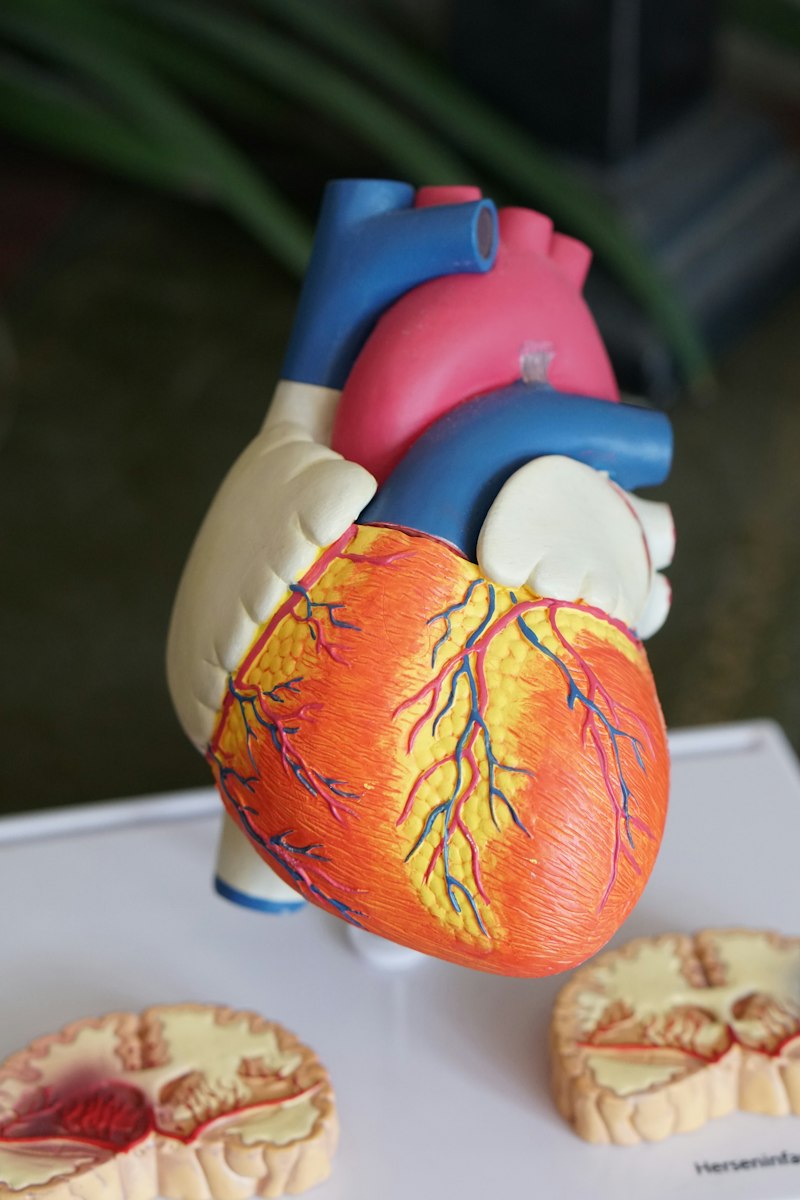
Paired VNS targets the convergence of vagus nerve input and auditory processing in the brain.
DARPA Funding and Military Research
The US Defense Advanced Research Projects Agency (DARPA) has been a major funder of VNS research for tinnitus, motivated by the enormous burden of tinnitus among military veterans. Tinnitus is the number-one disability among US veterans, affecting over 2.5 million service members and costing the VA healthcare system over $2 billion annually.
DARPA's Targeted Neuroplasticity Training (TNT) program funded research at the University of Texas at Dallas, which produced the foundational animal studies. In noise-induced tinnitus rat models, paired VNS completely eliminated behavioral signs of tinnitus in approximately 50% of animals and significantly reduced it in another 20-30%.
"The paired VNS approach is unique because it harnesses an endogenous plasticity mechanism. Rather than imposing a change on the brain externally, we are telling the brain to change itself." — Dr. Michael Kilgard, University of Texas at Dallas
This DARPA-funded work led to the formation of MicroTransponder, a company developing the Serenity System for commercial paired VNS in tinnitus patients.
Clinical Results So Far
Pilot Human Trials
The first human trial of paired VNS for tinnitus was conducted at multiple sites and enrolled patients with moderate-to-severe chronic tinnitus. Results published in Scientific Reports (2021) showed:
- Statistically significant reduction in THI scores after 6 weeks of treatment
- Mean THI improvement of approximately 13 points (clinically meaningful threshold)
- Approximately 50% of patients showed clinically meaningful improvement
- Benefits appeared to be sustained at the 12-month follow-up in responders
These results are encouraging but must be contextualized: the trial was open-label (no sham control), the sample size was small, and the invasive nature of the procedure may have contributed to a strong placebo effect. Larger, sham-controlled trials are needed.
Comparison to Other Approaches
The response rate (50% meaningful improvement) is comparable to Lenire's reported rates, though direct comparison is limited by different study designs. The key theoretical advantage of VNS is the specificity of the neuroplastic signal — the vagus nerve activates a well-characterized plasticity mechanism (acetylcholine + norepinephrine release) that is known to drive cortical map reorganization.
VNS pairs sound with nerve stimulation. The sound therapy component is available now. Start with Lushh's evidence-based sound therapy while VNS research matures.
Try Sound Therapy Free →Invasive vs. Non-Invasive (tVNS)
Invasive VNS
Traditional VNS requires surgical implantation of a cuff electrode around the left cervical vagus nerve, connected via a lead to a pulse generator implanted in the chest (similar to a pacemaker). The procedure is performed under general anesthesia and takes 1-2 hours. It has been FDA-approved for epilepsy since 1997 and for treatment-resistant depression since 2005.
Advantages: precise, reliable stimulation with well-characterized parameters. Disadvantages: surgical risks (infection, vocal cord paralysis in rare cases), high cost ($20,000-40,000), and irreversibility. For tinnitus, invasive VNS is only available through clinical trials.
Non-Invasive tVNS (Transcutaneous)
Transcutaneous vagus nerve stimulation (tVNS) targets the auricular branch of the vagus nerve (ABVN), which innervates the cymba conchae and tragus regions of the outer ear. Small electrical pulses delivered through a clip-on electrode placed on the ear can activate vagal pathways without surgery.
The advantages are substantial: no surgery, low cost ($500-2,000 for clinical devices, under $500 for consumer devices), can be used at home, and is generally safe with minimal side effects (occasional skin irritation or mild dizziness).
However, the limitations are real: stimulation is less precise and less reliably activates the vagus nerve trunk (studies show significant individual variability in the auricular vagal innervation), the degree of central neuromodulator release is lower than invasive VNS, and the clinical evidence specifically for tinnitus is more limited.
A 2023 meta-analysis in Frontiers in Neuroscience analyzed 8 studies of tVNS for tinnitus and concluded that while there is a signal of benefit, the effect size is modest (small-to-medium) and the evidence quality is low due to small sample sizes and heterogeneous protocols.

Non-invasive tVNS targets the auricular branch of the vagus nerve through the outer ear.
Cost and Accessibility
- Invasive VNS: $20,000-$40,000 (device + surgery + follow-up). Only available through clinical trials for tinnitus. Insurance does not cover off-label use
- Clinical tVNS devices: $500-$2,000. Available in some countries without prescription. Examples include Nemos (Cerbomed) and Salustim
- Consumer tVNS devices: Under $500. Available online but with limited clinical validation for tinnitus specifically. Quality and efficacy vary significantly
For comparison, evidence-based sound therapy apps like Lushh provide daily management including notch therapy, sound therapy, and CBT exercises for $5-15/month.
Current Trial Status
As of April 2026, the following VNS-related tinnitus trials are active or in planning:
- MicroTransponder Serenity System: Phase 3 sham-controlled trial for invasive paired VNS. Multiple US sites. Expected completion 2027
- University of Iowa (Dr. Bhatt): tVNS paired with sound therapy protocol. Phase 2. Non-invasive approach showing 60-70% response rates in early data
- Multiple European sites: Various tVNS protocols with different stimulation parameters. Most are Phase 1/2 with small sample sizes
- Combined VNS + hearing aids: Novel approach pairing tVNS with amplification at hearing loss frequencies. Conceptually promising but in early feasibility stages
The critical trial to watch is MicroTransponder's Phase 3. If it demonstrates significant superiority over sham in a large sample, it would represent the strongest evidence yet for any tinnitus-specific intervention. Results are expected in 2027-2028.
Track your tinnitus while awaiting new treatments. Lushh's daily tracker builds a data history that helps you and your audiologist make informed decisions.
Start Tracking Free →Frequently Asked Questions
Can vagus nerve stimulation cure tinnitus?
Paired VNS has shown promising results in reversing tinnitus-related neural changes in animal studies, and early human trials show reduced severity. However, it is not yet a proven cure. Both invasive and non-invasive approaches remain experimental for tinnitus, with larger controlled trials needed.
What is the difference between invasive and non-invasive VNS?
Invasive VNS requires surgical implantation of an electrode on the cervical vagus nerve ($20,000-40,000). Non-invasive tVNS stimulates the auricular branch through the ear ($500-2,000). Invasive is more precise but involves surgery. Non-invasive is safer and cheaper but delivers less reliable stimulation.
How much does vagus nerve stimulation cost for tinnitus?
Invasive VNS: $20,000-40,000 (clinical trials only). Clinical tVNS devices: $500-2,000. Consumer tVNS devices: under $500. Insurance rarely covers VNS for tinnitus as it remains investigational.
Start Managing While Research Advances
Sound therapy is the foundation of paired VNS protocols. Lushh gives you that foundation today: 65+ therapeutic sounds, notch therapy, frequency matching, CBT exercises, and daily tracking.
Download Lushh — FreeDisclaimer: This article is for informational purposes only and does not constitute medical advice. VNS for tinnitus is investigational and not FDA-approved for this indication. Do not attempt to modify or use VNS devices off-label without medical supervision. Always consult your healthcare provider.