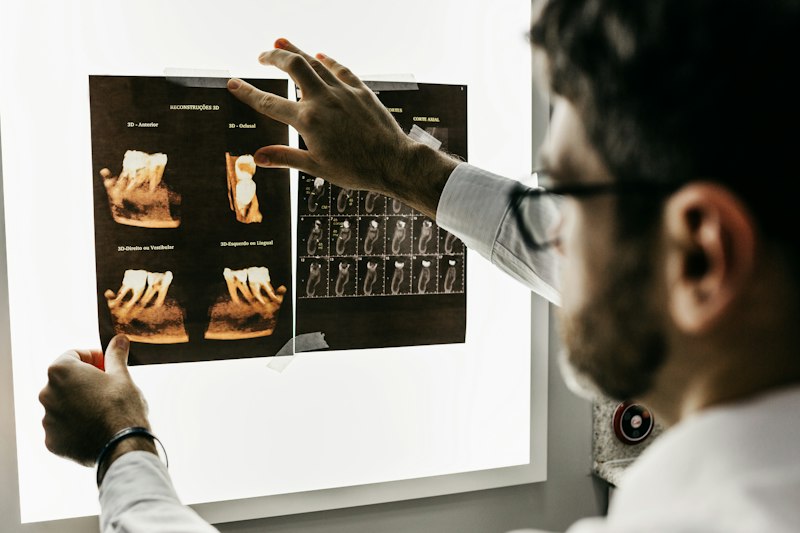
If your tinnitus changes when you open your mouth wide, clench your jaw, or chew — you may have stumbled onto one of the most treatable forms of tinnitus. The temporomandibular joint (TMJ), which connects your jawbone to your skull just millimeters from your ear canal, has a direct anatomical and neurological relationship with the auditory system. When this joint malfunctions, tinnitus is one of the most common auditory consequences.
Studies estimate that 33% to 65% of TMJ disorder patients experience tinnitus, a rate far exceeding the general population prevalence of approximately 10-15%. More importantly, treating the TMJ problem frequently resolves or significantly reduces the tinnitus — making this one of the few forms of tinnitus with a clear, addressable underlying cause.
The Anatomical Connection
The temporomandibular joint sits directly anterior to the ear canal, separated by only a thin layer of bone. This anatomical proximity creates several pathways through which jaw dysfunction can influence auditory perception:
- Shared embryological origin. The malleus and incus (two of the three middle ear bones) and the mandible develop from the same embryological structure — Meckel's cartilage of the first pharyngeal arch. This shared origin means they retain ligamentous connections in adults, specifically the discomalleolar and anterior malleolar ligaments.
- Ligamentous connections. The discomalleolar ligament connects the TMJ disc directly to the malleus of the middle ear. When the TMJ disc is displaced (as it is in most TMJ disorders), traction on this ligament can physically affect the ossicular chain and alter middle ear mechanics.
- Muscular proximity. The tensor tympani muscle, which controls tension on the eardrum, and the tensor veli palatini muscle, which controls eustachian tube function, are both innervated by the trigeminal nerve (CN V) — the same nerve that innervates the muscles of mastication. Tension in the jaw muscles can reflexively increase tensor tympani activity, causing a sensation of ear fullness and tinnitus.
- Vascular factors. The superficial temporal artery and the internal maxillary artery run in close proximity to the TMJ. TMJ inflammation can affect blood flow in these vessels, potentially producing pulsatile tinnitus symptoms.
Somatosensory Tinnitus Mechanism
TMJ-related tinnitus falls under the category of somatosensory tinnitus — tinnitus that is generated or modulated by inputs from the body's sensory-motor system rather than (or in addition to) the auditory system itself.
The defining characteristic of somatosensory tinnitus is that it can be changed by physical maneuvers: moving the jaw, turning the head, pressing on muscles in the face or neck, or clenching the teeth. If any of these actions changes the pitch, loudness, or character of your tinnitus, somatosensory input is involved.
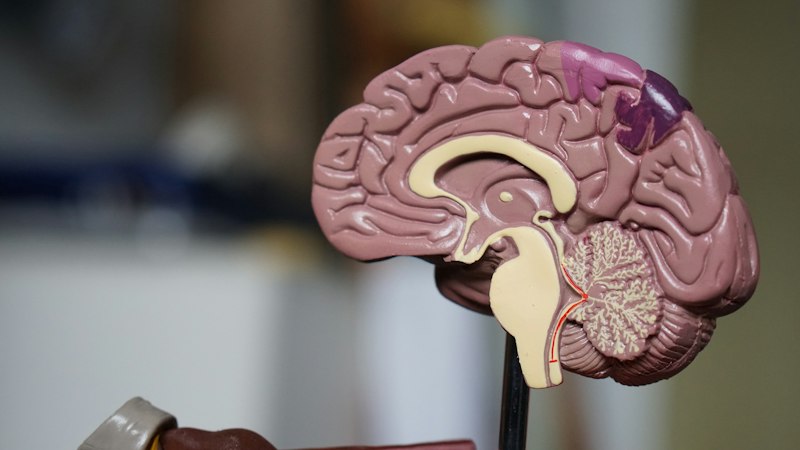
Somatosensory tinnitus involves crosstalk between the body's proprioceptive system and the auditory system at the brainstem level.
The mechanism involves crosstalk at the dorsal cochlear nucleus (DCN) in the brainstem. The DCN is the first relay station in the central auditory pathway, and it receives input not only from the cochlea but also from the somatosensory system via the trigeminal and upper cervical nerves. When jaw muscles are tense, inflamed, or in spasm, the abnormal somatosensory signals they send to the DCN can modulate or generate tinnitus activity.
Research by Shore et al. (2007) at the University of Michigan demonstrated in animal models that somatosensory input to the DCN can directly alter the firing rate of auditory neurons, providing a neurophysiological basis for how jaw problems create or modify tinnitus.
While addressing the root TMJ cause, sound therapy can provide immediate tinnitus relief. Lushh offers 65+ therapeutic sounds and frequency matching for targeted relief →
The Trigeminal Nerve Pathway
The trigeminal nerve (cranial nerve V) is the critical link in the TMJ-tinnitus connection. It is the largest cranial nerve and carries both sensory information from the face, jaw, and teeth, and motor commands to the muscles of mastication (chewing muscles).
Three divisions of the trigeminal nerve are relevant:
- V3 (mandibular division): Carries sensory input from the TMJ, lower jaw, and teeth, and motor commands to the masseter, temporalis, medial pterygoid, lateral pterygoid, tensor tympani, and tensor veli palatini muscles. This division is the primary pathway for TMJ-related tinnitus.
- V2 (maxillary division): Carries sensory input from the upper jaw and teeth. Upper dental problems can also contribute to somatosensory tinnitus through this pathway.
- V1 (ophthalmic division): Less commonly involved in tinnitus but may contribute when TMJ dysfunction affects head and facial pain patterns.
The trigeminal nerve's connection to the tensor tympani muscle is particularly significant. Tensor tympani syndrome — chronic spasm of this middle ear muscle — is increasingly recognized as a component of TMJ-related ear symptoms including tinnitus, ear fullness, autophony (hearing your own voice abnormally loudly), and sound sensitivity.
Bruxism and Tinnitus
Bruxism — the habitual clenching or grinding of teeth — is one of the strongest predictors of tinnitus in the TMJ patient population. A 2019 systematic review in the Journal of Oral Rehabilitation found that bruxism patients had a 2.5 to 5.4 times higher prevalence of tinnitus compared to non-bruxism controls.
The mechanism is multifactorial:
- Sustained muscle contraction of the masseter and temporalis muscles generates continuous somatosensory input to the DCN, biasing auditory processing toward tinnitus generation.
- TMJ disc displacement. Chronic bruxism accelerates degeneration of the TMJ disc, leading to displacement that affects the discomalleolar ligament and middle ear mechanics.
- Tensor tympani activation. Jaw clenching reflexively activates the tensor tympani muscle via the trigeminal motor nucleus, increasing eardrum tension and producing ear symptoms.
- Stress amplification. Bruxism is strongly linked to stress, and stress independently worsens tinnitus through cortisol-mediated changes in auditory processing.
Nocturnal bruxism is particularly problematic because patients are unaware of it. Signs include morning jaw soreness, headaches upon waking, worn or flattened tooth surfaces, and a partner reporting grinding sounds during sleep. If your tinnitus is consistently worse in the morning, nocturnal bruxism should be investigated.
Track when your tinnitus is worst. If mornings are consistently bad, bruxism may be the cause. Lushh's daily tracking helps identify patterns.
Download Lushh — Free →Diagnosing TMJ-Related Tinnitus
Diagnosing tinnitus as TMJ-related requires a multidisciplinary evaluation. Key diagnostic indicators include:
Clinical Signs
- Tinnitus that changes with jaw movement (opening, lateral excursion, protrusion)
- Tinnitus that changes with pressure on the masseter, temporalis, or pterygoid muscles
- Tinnitus ipsilateral (same side) to the TMJ problem
- Jaw clicking, popping, or crepitus during mouth opening
- Limited mouth opening (<40mm interincisal distance)
- Morning jaw stiffness or headache
- Tooth wear patterns consistent with bruxism
Imaging
MRI of the TMJ can reveal disc displacement, joint effusion, and condylar changes. Panoramic radiography can identify gross skeletal abnormalities. Cone-beam CT provides detailed bony anatomy. However, imaging findings do not always correlate with symptoms — many people have disc displacement visible on MRI without any symptoms.
Audiological Assessment
A standard audiogram should be performed to assess whether concurrent sensorineural hearing loss is present. Tympanometry can evaluate middle ear function. The critical question is whether the tinnitus is purely somatosensory (no cochlear pathology) or mixed (TMJ dysfunction worsening pre-existing noise-induced or age-related tinnitus).
Treatment Options
Occlusal Splint Therapy
Dental splints (also called night guards, occlusal appliances, or bite plates) are the most commonly prescribed treatment for TMJ-related tinnitus. A flat-plane stabilization splint, worn during sleep, prevents teeth from contacting during nocturnal bruxism, reduces masseter and temporalis muscle activity, and allows the TMJ to rest in a neutral position.
A 2020 systematic review in Cranio: The Journal of Craniomandibular Practice found that occlusal splint therapy reduced tinnitus severity in 46% to 96% of patients with TMJ-related tinnitus, depending on patient selection and follow-up duration. The wide range reflects differences in how strictly "TMJ-related tinnitus" was defined across studies.
Physical Therapy
TMJ-focused physical therapy addresses muscle tension, joint mobility, and postural factors that contribute to TMJ dysfunction. Techniques include manual therapy (joint mobilization, myofascial release), therapeutic exercises, postural correction, and modalities such as ultrasound and TENS. Physical therapy is often most effective when combined with splint therapy.
Pharmacological Management
Muscle relaxants (cyclobenzaprine), low-dose tricyclic antidepressants (amitriptyline), and NSAIDs can reduce TMJ-related muscle tension and inflammation. Botulinum toxin (Botox) injections into the masseter and temporalis muscles are an emerging treatment for refractory bruxism and have shown promise for associated tinnitus in small studies.
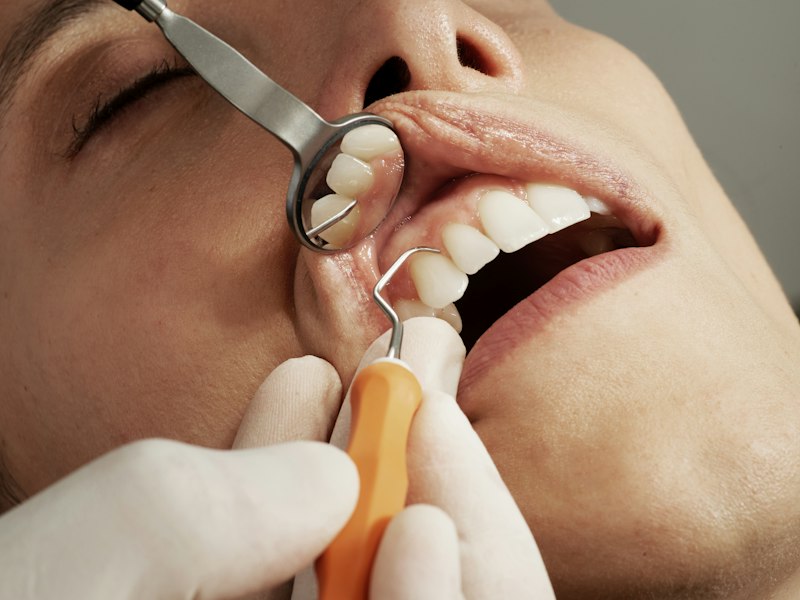
Occlusal splints worn during sleep reduce bruxism force and TMJ strain, addressing one of the most treatable causes of tinnitus.
Jaw Exercises for Relief
The following exercises are commonly prescribed by TMJ specialists and physical therapists. They should be performed gently, without forcing movement or causing pain:
- Controlled opening. Place your tongue on the roof of your mouth behind your front teeth. Slowly open your mouth as wide as comfortable while keeping your tongue in contact with the palate. Hold for 5 seconds, then slowly close. Repeat 10 times, 3 times daily.
- Lateral excursion. Place a thin object (like a tongue depressor) between your front teeth. Slowly shift your jaw to the right, hold 5 seconds, return to center. Repeat to the left. Do 10 repetitions per side.
- Resisted opening. Place your thumb under your chin. Gently open your mouth while providing light resistance with your thumb. Hold 5 seconds. This strengthens the jaw opening muscles.
- Masseter self-massage. Place your fingertips on your cheeks over the masseter muscles (you can feel them contract when you clench). Apply gentle circular pressure for 30 seconds per side, 3 times daily.
- Goldfish exercises. Place one finger on the TMJ (just in front of the ear) and one finger on your chin. Drop your lower jaw halfway open, then close. Repeat 6 times, working up to full opening as comfort allows.
Consistency matters more than intensity. These exercises work by reducing muscle hyperactivity, improving joint mobility, and normalizing the somatosensory input to the dorsal cochlear nucleus over time.
When to See a TMJ Specialist
Consider seeking specialist evaluation if:
- Your tinnitus clearly changes with jaw movement or clenching
- You have jaw pain, clicking, or limited opening
- Your tinnitus is worse in the morning
- You have been diagnosed with bruxism
- An audiological evaluation has not identified a cochlear cause for your tinnitus
- Standard tinnitus treatments (notch therapy, sound masking) have not been effective
TMJ specialists include oral and maxillofacial surgeons, orofacial pain specialists (dentists with advanced training), and physical therapists certified in temporomandibular disorders. A good starting point is your dentist, who can assess for bruxism and refer to a specialist if needed.
For broader context on all tinnitus treatment options and how TMJ treatment fits into the overall management landscape, see our comprehensive comparison guide.
Frequently Asked Questions
Can TMJ cause tinnitus?
Yes. TMJ disorders cause tinnitus in an estimated 33-65% of TMJ patients. The temporomandibular joint shares anatomical proximity and neural pathways with the middle ear, allowing jaw dysfunction to directly influence auditory perception.
How do I know if my tinnitus is caused by TMJ?
Key indicators include tinnitus that changes when you move your jaw, clench, or press on jaw muscles; tinnitus worse on waking; jaw clicking or pain; and unilateral tinnitus on the same side as TMJ symptoms. Definitive diagnosis requires evaluation by both an audiologist and TMJ specialist.
Will treating TMJ cure my tinnitus?
In many cases, yes. Studies show that successful TMJ treatment reduces or eliminates tinnitus in 46-96% of patients with somatosensory tinnitus, depending on whether TMJ is the primary cause or a contributing factor.
Can jaw clenching and teeth grinding cause tinnitus?
Yes. Bruxism is strongly associated with tinnitus. Sustained muscle tension creates abnormal somatosensory input to the dorsal cochlear nucleus via the trigeminal nerve, which can generate or modulate tinnitus.
Track Your TMJ-Tinnitus Pattern
Lushh's daily symptom tracker helps you identify whether your tinnitus correlates with jaw activity, stress, or sleep quality. Combine tracking with 65+ therapeutic sounds for relief while you address the root cause.
Download Lushh — FreeDisclaimer: This article is for informational purposes only and does not constitute medical or dental advice. Always consult your healthcare provider or TMJ specialist for diagnosis and treatment of temporomandibular disorders or tinnitus.