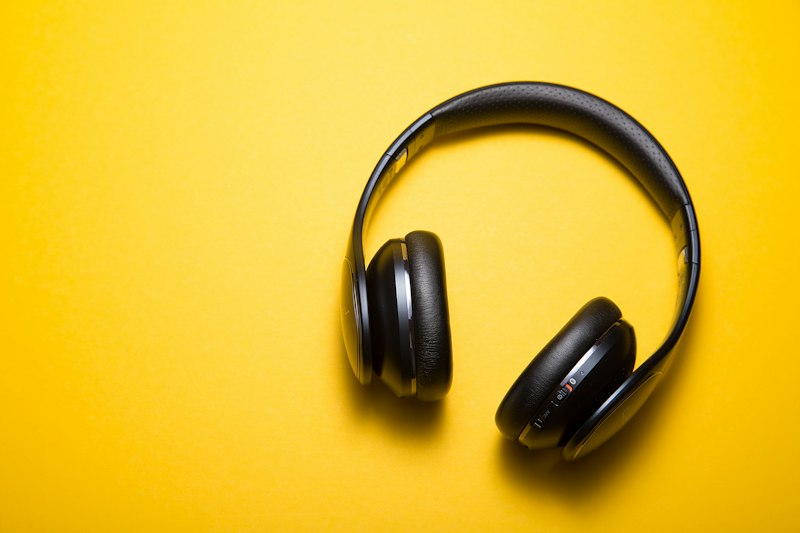
Sound therapy is the most widely practiced tinnitus management strategy in the world — and for good reason. It is accessible, non-invasive, low-risk, and backed by decades of clinical research. But "sound therapy" is not a single technique. It encompasses at least four distinct approaches, each with different mechanisms, timelines, and evidence levels.
This guide breaks down every major form of sound therapy used for tinnitus in 2026, explains the neuroscience behind each one, reviews the clinical evidence, and provides practical protocols you can start today. Whether you are new to tinnitus management or looking to optimize your existing sound therapy routine, this is the most comprehensive resource available.
How Sound Therapy Works Neurologically
To understand why sound therapy helps tinnitus, you need to understand how the brain processes sound — and what goes wrong in tinnitus.
Your auditory cortex is organized tonotopically: neurons are arranged by the frequency they respond to, from low tones to high tones. When cochlear hair cells are damaged (by noise, aging, or medication), the neurons tuned to those frequencies lose their normal input. Rather than going silent, these deprived neurons increase their firing rate — a phenomenon called central gain enhancement. Your brain is essentially "turning up the volume" to compensate for reduced input, and the resulting spontaneous neural activity is perceived as tinnitus.
Sound therapy works through several interconnected mechanisms:
- Auditory masking: External sound activates neurons across the auditory cortex, reducing the relative prominence of the tinnitus signal. The tinnitus is still present but less salient.
- Gain reduction: Providing the brain with consistent external auditory input can gradually reduce the elevated central gain that drives tinnitus. The brain no longer needs to amplify as aggressively.
- Attentional redirection: Sound provides an alternative auditory focus, engaging the brain's limited attentional resources and reducing automatic monitoring of the tinnitus.
- Stress response modulation: Certain sounds (nature, music, low-frequency noise) activate the parasympathetic nervous system, reducing the cortisol-mediated stress response that amplifies tinnitus perception.
- Lateral inhibition (notch therapy): Stimulating neurons adjacent to the tinnitus frequency while removing the tinnitus frequency itself causes those neighbors to suppress the hyperactive tinnitus-generating neurons.
Sound Masking: Immediate Relief
Sound masking is the simplest and most immediate form of sound therapy. The concept: introduce an external sound loud enough to partially or completely cover the tinnitus, making it less noticeable.
Masking does not produce lasting neuroplastic change — when you turn off the sound, the tinnitus returns at its original level. However, masking has enormous practical value for acute distress, sleep, concentration, and getting through difficult tinnitus spikes.
Types of Masking Sounds
Broadband noise (white, pink, or brown noise) is the most commonly used masking sound because it contains energy across all frequencies, providing coverage regardless of your specific tinnitus pitch. Nature sounds — rain, ocean waves, flowing water, wind through trees — are also effective maskers and tend to be more pleasant for extended listening. Many people find that a combination of noise and nature sounds is most effective.
For a detailed comparison of different noise colors and their masking properties, see our dedicated article: white noise vs pink noise vs brown noise for tinnitus.
Partial vs. Total Masking
Total masking (complete drowning of tinnitus) provides maximum immediate relief but is no longer recommended as a primary strategy. Research shows that partial masking — where the tinnitus is still faintly audible through the external sound — is more effective for long-term habituation. This is because the brain needs some exposure to the tinnitus signal to learn that it is not threatening. Total masking denies the brain this learning opportunity.
Lushh includes over 65 therapeutic sounds across noise types, nature sounds, and ambient textures — all designed for tinnitus-specific partial masking. Explore the full sound library free →
The Mixing Point: Habituation-Based Therapy
The mixing point is a concept from Tinnitus Retraining Therapy (TRT) developed by Pawel Jastreboff. It refers to the volume level at which external sound and tinnitus are approximately equal — the tinnitus is audible but no longer dominant.
Setting your sound therapy at the mixing point is designed to promote habituation: the gradual reduction in the brain's emotional and attentional response to tinnitus. The mechanism is analogous to how you stop noticing the feeling of clothes against your skin — the signal is still present, but the brain has learned to classify it as irrelevant and filter it from conscious awareness.
Habituation occurs in two stages:
- Habituation of reaction: The emotional distress associated with tinnitus diminishes. You still hear it but it no longer triggers anxiety, frustration, or despair. This typically occurs first, within weeks to months.
- Habituation of perception: The brain reduces its conscious processing of the tinnitus signal. You become less frequently aware of it. This takes longer — typically 12-24 months of consistent sound enrichment.
Nature sounds like flowing water are among the most effective and pleasant sound therapy options for promoting long-term habituation.
The key principle: the mixing point works because it reduces the signal-to-noise ratio of tinnitus without eliminating it. The brain receives enough exposure to the tinnitus to reclassify it as a neutral, unimportant signal, but the concurrent external sound prevents the tinnitus from dominating awareness.
Notch Therapy: Targeted Neural Remodeling
Notch therapy represents the most targeted and mechanistically specific form of sound therapy. Unlike masking and mixing, which work on attention and habituation, notch therapy directly targets the hyperactive neurons that generate the tinnitus signal.
The technique involves listening to broadband sound (noise or music) that has been digitally filtered to remove a narrow frequency band — the "notch" — centered on your specific tinnitus frequency. This exploits the principle of lateral inhibition: neurons adjacent to the notched frequency become more active (stimulated by the sound they receive) and suppress their neighbors in the silent notch band (where the hyperactive tinnitus neurons reside).
The Okamoto et al. (2010) PNAS study — a 12-month double-blind RCT — demonstrated significant reductions in tinnitus loudness and THI scores with daily notched music listening. Teismann et al. (2011) confirmed reduced neural activity at the tinnitus frequency using MEG brain imaging. Strauss et al. (2017) found measurable improvements after just 3 months.
Notch therapy requires two things that other forms of sound therapy do not: (1) accurate identification of your tinnitus frequency through pitch matching, and (2) real-time digital filtering of the sound source. Both of these are built into Lushh's Frequency Matcher and notched sound generator. For the full science and practical protocol, see our detailed guide: what is notch therapy for tinnitus?
Binaural Beats: Brainwave Entrainment
Binaural beats are a form of auditory illusion created when slightly different frequencies are presented to each ear through headphones. For example, a 400 Hz tone in the left ear and a 410 Hz tone in the right ear produces a perceived 10 Hz "beat" — a pulsation that exists only in the brain, not in the external sound.
The theory behind binaural beats for tinnitus is that these perceived beats can influence brainwave patterns through a process called frequency following response (FFR) or brainwave entrainment. By producing beats in the delta (1-4 Hz), theta (4-8 Hz), or alpha (8-13 Hz) range, the brain may be encouraged to shift toward relaxation states that are associated with reduced tinnitus perception.
A 2019 study in the Journal of the Association for Research in Otolaryngology found that alpha-frequency binaural beats (10 Hz) reduced tinnitus loudness ratings in a controlled laboratory setting. A 2020 study in Hearing Research showed that delta-frequency beats improved sleep onset in tinnitus patients. However, effect sizes were modest and the evidence base remains small compared to other sound therapy modalities.
Binaural beats require headphones (the effect does not work with speakers) and should be used at comfortable volumes. For a comprehensive review of the evidence, see our article: binaural beats for tinnitus — does the science support it?
Lushh includes 65+ therapeutic sounds — white, pink, and brown noise, nature soundscapes, and notch-filtered audio — all calibrated for tinnitus relief.
Download Lushh — Free →Noise Colors Explained
Not all noise is created equal. Different "colors" of noise have distinct frequency distributions that affect their masking properties, perceived pleasantness, and therapeutic applications.
White Noise
Equal energy across all frequencies (20 Hz to 20,000 Hz). Sounds like TV static or a hissing radiator. Effective broadband masker that covers all tinnitus frequencies. Can sound harsh to some listeners, especially at higher volumes. Most studied noise type in tinnitus research.
Pink Noise
Energy decreases by 3 dB per octave as frequency increases, meaning lower frequencies are more prominent. Sounds more balanced and natural than white noise — similar to steady rainfall or a waterfall. Often preferred for sleep because the lower-frequency emphasis is perceived as warmer and less intrusive. A 2012 study in Neuron found that pink noise enhanced deep sleep and memory consolidation.
Brown Noise (Brownian/Red Noise)
Energy decreases by 6 dB per octave, producing a deep, rumbling sound like thunder or strong wind. Very effective for low-frequency tinnitus and for creating a "sound cocoon" that feels immersive. Increasingly popular for sleep and concentration. Less effective for masking high-frequency tinnitus (above 6,000 Hz) due to reduced high-frequency energy.
Other Noise Types
Blue noise: Energy increases with frequency. Rarely used for tinnitus. Violet noise: Energy increases steeply with frequency. Potentially useful for low-frequency tinnitus masking. Grey noise: Psychoacoustically calibrated to sound equally loud at all frequencies (compensating for human hearing sensitivity curves). Theoretically the most perceptually balanced masker.
For a deep dive with research comparisons, read: white noise vs pink noise vs brown noise — which is best for tinnitus?
Clinical Evidence
The evidence base for sound therapy in tinnitus has grown substantially in recent years. Here are the most significant findings:
The UNITI Trial (2024)
The Understanding Novel Interventions for Tinnitus (UNITI) trial was one of the largest European tinnitus studies, enrolling over 500 participants across multiple centers. It tested structured sound therapy programs against standard care and found significant improvements in Tinnitus Functional Index scores after 12 weeks of daily sound therapy use. Notably, the study found that patient adherence was the strongest predictor of outcomes — the more consistently patients used their sound therapy, the better their results.
Newcastle Auditory Research (2023)
Researchers at Newcastle University conducted a neuroimaging study showing that 8 weeks of daily sound enrichment (2+ hours per day at the mixing point) produced measurable changes in auditory cortex connectivity patterns. Patients who showed the greatest neural changes also reported the largest improvements in tinnitus distress scores, providing direct evidence linking sound therapy to brain reorganization.
Cochrane Reviews
A 2023 Cochrane review of sound therapy for tinnitus analyzed 14 randomized controlled trials and concluded that sound therapy is likely effective for reducing tinnitus severity, though the quality of evidence was rated as moderate due to heterogeneity in study designs, outcome measures, and sound therapy protocols. The review called for standardized outcome measures and longer follow-up periods.
Sound Therapy + CBT Synergy
Multiple studies have shown that combining sound therapy with CBT produces outcomes superior to either intervention alone. A 2022 meta-analysis in the International Journal of Audiology found that combined sound-CBT protocols reduced THI scores by an average of 22 points — clinically meaningful and significantly more than sound therapy alone (14 points) or CBT alone (16 points).
Optimal Volume, Duration & Delivery
Volume Guidelines
The consensus across clinical guidelines is clear: sound therapy should be delivered at a comfortable, sub-tinnitus level for habituation-based approaches (the mixing point), or at tinnitus-matching level for masking. The sound should never be uncomfortably loud. Typical therapeutic levels fall between 40-60 dB SPL — well below the 85 dB threshold for noise-induced hearing damage.
A practical rule: set the volume so that your tinnitus is still faintly perceptible through the sound. If the external sound completely drowns the tinnitus, reduce the volume slightly.
Duration
For general sound enrichment and masking, there is no upper limit — many clinicians recommend maintaining background sound throughout the day, especially during quiet activities. For notch therapy specifically, clinical protocols recommend 1-2 hours of dedicated listening per day. The UNITI trial used 4 hours daily. Consistency matters more than single-session duration: daily sessions of 30 minutes are more effective than occasional 3-hour sessions.
Headphones vs. Speakers
The choice depends on the type of sound therapy:
- Notch therapy: Headphones required (accurate frequency delivery to each ear is essential).
- Binaural beats: Headphones required (the binaural effect only works when each ear receives a different frequency).
- Masking and sound enrichment: Speakers or a bedside sound machine are often preferred, especially for sleep. They create a more natural ambient soundscape and avoid ear canal occlusion.
- General recommendation: Over-ear headphones are preferred over in-ear buds for extended therapy sessions — they distribute pressure more evenly, reduce the risk of ear canal irritation, and provide better low-frequency reproduction.
Sound therapy protocols vary by type: masking uses broadband coverage, while notch therapy requires precise frequency filtering.
Combining Sound Therapy with CBT
The most effective tinnitus management programs in 2026 combine sound therapy with cognitive behavioral therapy. This is not accidental — the two approaches target complementary mechanisms.
Sound therapy addresses the auditory component: reducing the salience of the tinnitus signal, providing masking for acute distress, and promoting neural reorganization through notch therapy or habituation-based sound enrichment.
CBT addresses the psychological component: breaking the catastrophic thought patterns that amplify distress, reducing hypervigilance (the constant monitoring of tinnitus), improving sleep through CBT-I techniques, and building resilience against tinnitus spikes.
Together, they create a comprehensive management framework:
- Sound therapy reduces the acoustic impact of tinnitus.
- CBT reduces the emotional and behavioral impact.
- The combination accelerates habituation — the brain learns that tinnitus is both less prominent (sound therapy) and less threatening (CBT).
Lushh integrates both approaches: 65+ therapeutic sounds for sound therapy alongside guided CBT exercises for cognitive restructuring and relaxation. For a detailed guide on the CBT component, see: CBT for tinnitus — how cognitive behavioral therapy retrains your brain.
For an overview of how sound therapy compares to other tinnitus treatments, including cost and evidence levels, see our comprehensive treatment comparison.
Frequently Asked Questions
What type of sound therapy is best for tinnitus?
The best type depends on your goals. For immediate relief, sound masking with broadband noise or nature sounds is most effective. For long-term neuroplastic change, notch therapy has the strongest evidence for reducing tinnitus loudness over time. Combining masking for acute relief with notch therapy for long-term benefit is the approach most supported by current research.
How loud should sound therapy be for tinnitus?
Sound therapy should generally be set at or slightly below the volume of your tinnitus — the "mixing point." You should still be able to hear your tinnitus, but it should be partially blended with the external sound. Never use sound therapy loud enough to cause discomfort. Typical therapeutic levels are 40-60 dB, well below the 85 dB threshold for noise damage.
Should I use headphones or speakers for tinnitus sound therapy?
For notch therapy and binaural beats, headphones are required for accurate frequency delivery to each ear. For general sound masking and sleep, speakers or a bedside sound machine are often preferred because they create a more natural ambient soundscape and avoid ear canal occlusion. Over-ear headphones are generally recommended over in-ear buds for extended sessions.
How long should I use sound therapy each day?
For masking and sound enrichment, there is no strict limit — many clinicians recommend keeping background sound available throughout the day. For notch therapy, clinical protocols recommend 1-2 hours per day of dedicated listening. The UNITI trial used 4 hours daily. Consistency matters more than single-session duration.
Experience Sound Therapy with Lushh
65+ therapeutic sounds, precision frequency matching, one-click notch therapy sessions, and daily tracking — everything you need for evidence-based sound therapy in one app.
Download Lushh — FreeMedical Disclaimer: This article is for informational purposes only and does not constitute medical advice. The information is based on published peer-reviewed research but should not replace professional medical evaluation. Always consult a qualified healthcare provider — such as an ENT specialist or audiologist — for diagnosis and treatment of tinnitus or any medical condition.