"When will there be a cure for tinnitus?" is the most frequently asked question in every tinnitus forum, every audiologist's office, and every online support group. It is asked with urgency, desperation, and hope. And it deserves an honest answer, not the vague optimism of marketing or the nihilism of "there's nothing we can do."
The honest answer is this: we are closer to effective tinnitus treatments than at any point in history, but a universal cure remains years to decades away. This article explains what "cure" actually means in the context of tinnitus neuroscience, what the most promising research directions are, and what realistic timelines look like based on the current state of clinical evidence.
What "Cure" Actually Means for Tinnitus
The word "cure" in tinnitus research can mean very different things depending on who is using it. There are at least four distinct definitions:
- Peripheral cure (source elimination): Repairing the cochlear damage (hair cell loss, synaptopathy) that triggered the tinnitus signal in the first place. If the original cause is fixed, the brain may no longer generate phantom sound
- Central cure (perception elimination): Resetting the brain circuits that have become hyperactive, eliminating the phantom perception even if the original cochlear damage remains
- Functional cure (habituation): Reaching a state where tinnitus is still technically present but is no longer perceived as bothersome or intrusive. This is what 80% of tinnitus patients achieve through natural habituation and management
- Symptom reduction (treatment): Reducing tinnitus loudness, intrusiveness, or associated distress without complete elimination. This is the target of most current therapies
Most current research targets definitions 3 and 4, with some programs working toward definitions 1 and 2. The distinction matters enormously for setting realistic expectations.
Hair Cell Regeneration: The Ultimate Fix
The majority of tinnitus cases originate from cochlear hair cell damage. These microscopic cells convert sound vibrations into electrical signals for the auditory nerve. When they are damaged or destroyed by noise exposure, aging, ototoxic drugs, or infection, the auditory nerve loses input at those frequencies. The brain compensates by turning up the "gain" on those frequencies, creating hyperactive neural firing that we perceive as tinnitus.
If we could regenerate damaged hair cells, the original signal would be restored, and the brain might stop generating the phantom sound. This is the "holy grail" of tinnitus research.
Birds, fish, and amphibians naturally regenerate hair cells throughout their lives. Mammals lost this ability during evolution. The question is: can we reactivate it?
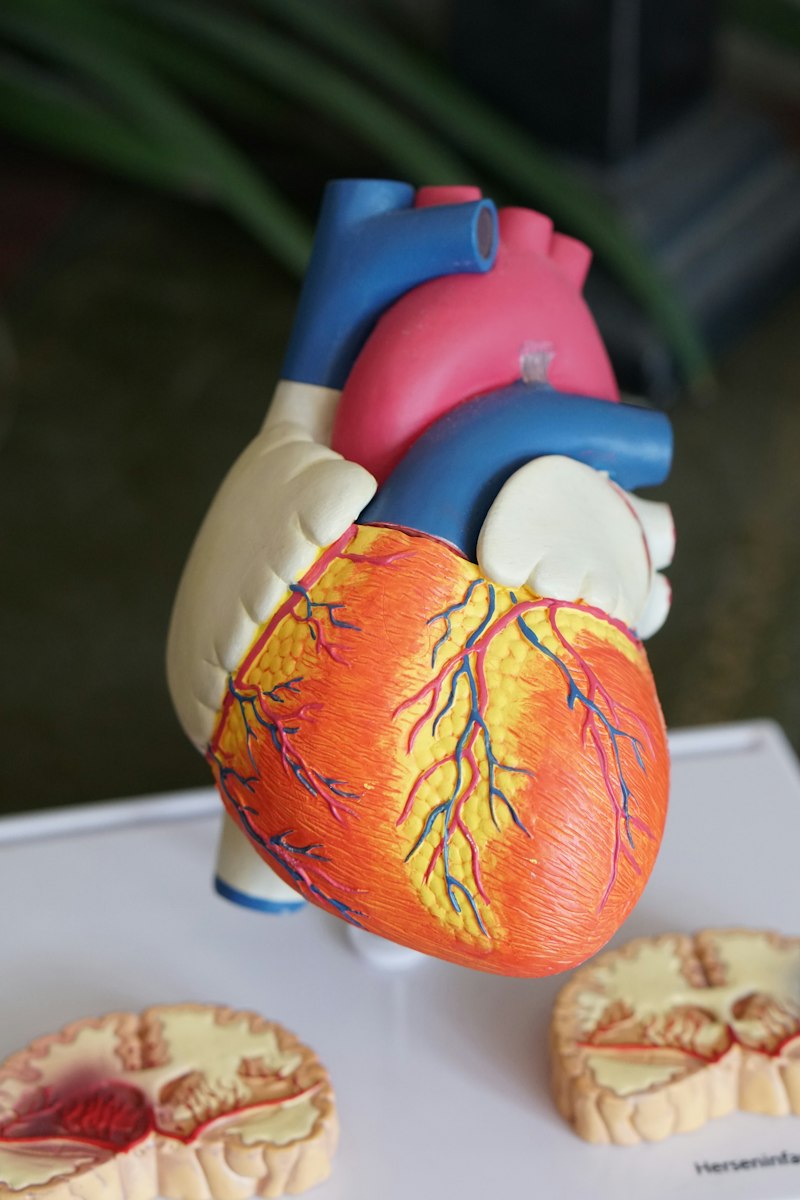
Cochlear hair cells are the origin point for most tinnitus. Regenerating them could address the root cause.
The Science of Hair Cell Regrowth
In the mammalian cochlea, supporting cells surround the hair cells. In birds, when a hair cell dies, neighboring supporting cells can divide and differentiate into new hair cells. The transcription factor Atoh1 (Math1) is the master switch that triggers this process.
Multiple research groups have shown that delivering Atoh1 to the mammalian cochlea via viral vectors (AAV) can induce supporting cells to transdifferentiate into hair cell-like cells in animal models. The challenge is making these new cells functionally identical to natural hair cells: they need to develop the correct stereocilia bundles, form proper synapses with the auditory nerve, and respond to the right frequency range.
FX-322 and Gene Therapy Approaches
FX-322 (Frequency Therapeutics)
FX-322 was a small-molecule progenitor cell activator that used proprietary Wnt pathway activators to stimulate cochlear progenitor cells to divide and differentiate into hair cells. The Phase 1/2 trial showed improvement in word recognition scores in some patients, suggesting functional hair cell generation.
However, the Phase 2 trial did not meet its primary endpoint. Analysis suggested that the repeated intratympanic injection protocol caused local inflammation that may have interfered with the regenerative process. The program has been restructured, with revised single-injection and different formulation approaches being explored.
Atoh1 Gene Therapy (Eli Lilly/Akouos)
Akouos (now part of Eli Lilly) is developing an AAV-based gene therapy that delivers the Atoh1 gene directly into the cochlea. This approach has shown robust hair cell regeneration in mouse models, with treated mice showing measurable improvements in auditory brainstem response (ABR) thresholds.
Human trials are in planning stages. The key challenges include ensuring the AAV vector reaches the target cells efficiently, controlling the number and location of regenerated cells, achieving proper tonotopic organization, and long-term safety of permanent genetic modification. For more on the full trial landscape, see our clinical trials overview.
Neuromodulation Advances
While regenerative approaches target the source, neuromodulation targets the brain's response. The premise is that even without fixing cochlear damage, the maladaptive neural circuits that generate tinnitus can be reset.
Bimodal Stimulation
The Lenire device and the Susan Shore device both use bimodal stimulation to induce neuroplastic changes in the auditory brainstem and cortex. The Shore device's sham-controlled trial provides the strongest evidence that this approach can produce device-specific tinnitus reduction beyond placebo effects.
Vagus Nerve Stimulation
Paired vagus nerve stimulation (VNS + sound) aims to leverage the vagus nerve's role in neuroplasticity to retrain auditory circuits. DARPA-funded research has shown that pairing specific tones with vagus nerve stimulation can reverse maladaptive cortical reorganization in animal models.
Transcranial Magnetic Stimulation (TMS)
Repetitive TMS targeting the auditory cortex has shown modest but real benefits in some tinnitus patients. The challenge is that effects tend to be temporary, requiring repeated sessions. Newer protocols using theta burst stimulation (TBS) may produce longer-lasting effects.
Sound therapy is the foundation of both current management and future treatments. Start building your management toolkit today with Lushh's evidence-based approach.
Download Lushh Free →The Pharmaceutical Pipeline
The dream of a "tinnitus pill" has driven significant pharmaceutical investment. Several drug targets are being explored:
- NMDA receptor antagonists: Reduce excitotoxicity in the cochlea and auditory brainstem (OTO-313). Mixed Phase 2 results have led to revised trial designs targeting specific subgroups
- GABA-A subtype-selective modulators: Enhance inhibitory neurotransmission specifically in auditory circuits without the sedation and addiction risk of benzodiazepines. Several compounds are in Phase 1
- Kv7 potassium channel openers: Reduce neural excitability by stabilizing resting membrane potential. Next-generation compounds with improved safety profiles are in preclinical development
- Neurotrophin delivery: BDNF and NT-3 promote auditory nerve survival and synaptic repair. Intratympanic delivery systems are being developed to bypass the blood-brain barrier
The 5-Year Outlook (2026-2031)
Within the next 5 years, realistic expectations include:
- Market availability of the Susan Shore bimodal device and next-generation Lenire protocols
- Phase 2/3 trial results for targeted pharmaceuticals (GABA modulators, Kv7 openers)
- First human gene therapy trials for cochlear hair cell regeneration
- AI-personalized sound therapy and neuromodulation protocols
- Non-invasive VNS devices becoming commercially available
- Improved combination therapies based on UNITI trial principles

The next 5 years will see bimodal devices, targeted drugs, and the first human gene therapy trials for tinnitus.
The 10-Year Outlook (2031-2036)
- First approved pharmaceutical specifically for tinnitus (most likely a GABA modulator or potassium channel opener)
- Gene therapy Phase 2/3 results for hair cell regeneration
- Precision medicine approaches matching patients to optimal treatments based on tinnitus phenotype, genetics, and neuroimaging
- Closed-loop neuromodulation devices that monitor tinnitus-related neural activity and adjust stimulation in real time
The 20-Year Outlook (2036-2046)
- Clinical hair cell regeneration therapy potentially available for specific patient populations
- Combination biological-electronic treatments (gene therapy + smart neuromodulation)
- Stem cell therapies in clinical trials
- Complete auditory system repair including synaptopathy correction and auditory nerve regeneration
Why Management Matters NOW
Here is the part that every "cure timeline" article should emphasize but few do: waiting for a cure while neglecting current management is one of the worst strategies a tinnitus patient can adopt.
The reasons are both practical and neuroscientific:
- Neuroplasticity is use-dependent: The brain circuits that drive tinnitus become more entrenched over time. Early intervention with sound therapy, notch therapy, and CBT while the circuits are still malleable produces better outcomes
- Current tools work for most people: Research consistently shows that 80% of tinnitus patients can reach a state where tinnitus does not significantly impact their quality of life using existing management approaches
- Quality of life years are irreplaceable: If a cure arrives in 2035, that is 9 years from now. Nine years of suffering when effective management was available is an enormous loss
- Active managers benefit more from new treatments: Patients who have been actively managing their tinnitus tend to respond better to new interventions. They have lower baseline distress, better coping skills, and more developed therapeutic relationships
"The best time to start managing your tinnitus was the day it started. The second best time is today." — Adapted from clinical guidance, British Tinnitus Association
Sound therapy, notch therapy, CBT, stress management, exercise, and sleep optimization are all evidence-based tools available right now. They do not eliminate tinnitus, but they can reduce its impact by 60-80% for most patients. That is not a consolation prize — that is a transformation in quality of life. Start with Lushh today →
Don't wait years for a cure. Start reducing your tinnitus impact today with Lushh: notch therapy, 65+ sounds, CBT exercises, daily tracking, and PDF doctor reports.
Start Managing Now — Free →Frequently Asked Questions
Will tinnitus ever be cured?
Treatments that significantly reduce or eliminate tinnitus for specific subgroups are realistic within 10-15 years. A universal cure for all tinnitus types is further away. Current management approaches can reduce tinnitus impact by 60-80% for most patients.
How close are we to a tinnitus cure in 2026?
Bimodal stimulation devices are entering the market, targeted drug trials are in Phase 2, and gene therapy for hair cell regeneration is in early clinical testing. Device-based treatments are 2-3 years from broad availability; biological cures are 10-20 years away.
Is it worth waiting for a cure instead of seeking treatment now?
No. Early intervention with sound therapy, CBT, and stress management improves long-term outcomes and helps 80% of patients significantly. Waiting costs years of quality of life. Patients who actively manage will also respond better to future treatments.
What is the most promising tinnitus research right now?
Near-term: the Susan Shore bimodal device and targeted pharmaceuticals. Long-term: Atoh1 gene therapy for hair cell regeneration and stem cell approaches. Sound therapy remains the validated foundation for all current and future management.
Start Your Evidence-Based Management Today
While the cure research advances, Lushh gives you the tools that work right now: notch therapy, 65+ therapeutic sounds, CBT exercises, daily tracking, and PDF reports for your doctor.
Download Lushh — FreeDisclaimer: This article is for informational purposes only and does not constitute medical advice. Research timelines are estimates based on current clinical trial data and may change significantly. No treatment should be started or stopped without consulting your healthcare provider.