
Tinnitus and post-traumatic stress disorder (PTSD) are the two most commonly claimed service-connected disabilities among U.S. veterans, and they co-occur at rates that far exceed what chance alone would predict. Research consistently finds that 34% to 49% of veterans with clinically significant tinnitus also meet diagnostic criteria for PTSD — a comorbidity rate roughly three to five times higher than the general veteran population's PTSD prevalence.
This is not coincidence. Tinnitus and PTSD share overlapping neural circuitry, reinforce each other through feedback loops, and often originate from the same traumatic events. Understanding this bidirectional relationship is essential for effective treatment, because addressing only one condition while ignoring the other typically produces incomplete results.
The Comorbidity Numbers
The scale of tinnitus-PTSD comorbidity among veterans is striking. A 2015 study by Fagelson published in the Journal of the American Academy of Audiology found that 34% of veterans seen at VA audiology clinics for tinnitus screened positive for PTSD using the PCL-5 checklist. A subsequent study by Hinton et al. (2006) reported even higher rates — up to 49% — among combat veterans specifically.
Compare this to the general veteran population, where PTSD prevalence ranges from 7% (Vietnam-era veterans, lifetime) to approximately 15% (post-9/11 veterans). The clear overrepresentation of PTSD among tinnitus patients suggests a causal or mutually reinforcing relationship rather than mere coincidence.
The direction of association runs both ways. Veterans with PTSD report tinnitus at higher rates than veterans without PTSD. And veterans with tinnitus report PTSD symptoms at higher rates than veterans without tinnitus. This bidirectionality is the defining feature of the relationship and the reason integrated treatment produces better outcomes than sequential treatment.
Shared Neural Mechanisms
The tinnitus-PTSD overlap is not just clinical — it is neurobiological. Both conditions involve hyperactivation of the same brain regions, particularly the amygdala, which processes threat and emotional salience, and the prefrontal cortex, which regulates emotional responses.
Amygdala Hyperactivation
In both tinnitus and PTSD, the amygdala shows elevated baseline activity and exaggerated responses to stimuli. In PTSD, the amygdala is hyperresponsive to trauma-related cues. In tinnitus, the amygdala attaches emotional significance to the phantom sound signal, which is why tinnitus causes distress rather than simply being a neutral background noise. When both conditions are present, the amygdala is caught in a state of chronic hypervigilance that amplifies both the emotional response to tinnitus and the intrusive symptoms of PTSD.
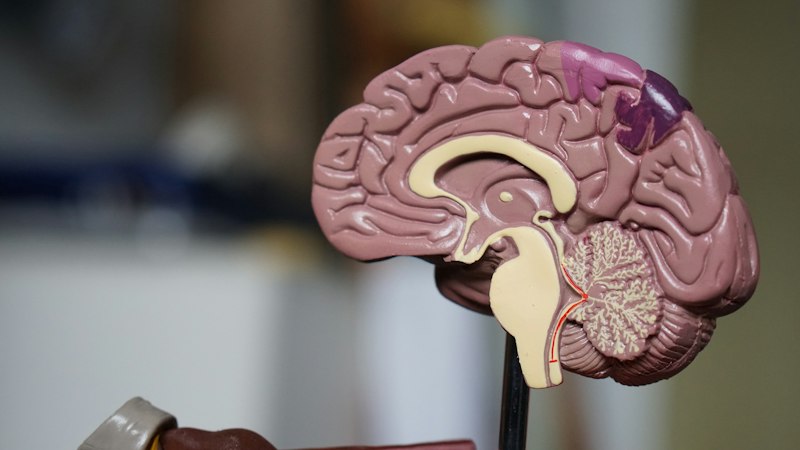
The amygdala, involved in threat detection and emotional processing, is hyperactive in both tinnitus and PTSD — creating a shared neural vulnerability.
The Limbic-Auditory Feedback Loop
Jastreboff's neurophysiological model of tinnitus describes a feedback loop between the auditory cortex (which generates the phantom signal), the limbic system (which attaches emotional valence), and the autonomic nervous system (which produces the stress response). In veterans with PTSD, this limbic-auditory loop is dramatically strengthened because the limbic system is already in a heightened state of activation. The result is that tinnitus is perceived as louder, more distressing, and more difficult to habituate to.
Cortisol and the HPA Axis
Both conditions involve dysregulation of the hypothalamic-pituitary-adrenal (HPA) axis, the body's primary stress response system. PTSD is characterized by altered cortisol patterns (often paradoxically low baseline cortisol with exaggerated stress responses). These cortisol abnormalities affect auditory processing and may directly worsen tinnitus perception by increasing neural excitability in the auditory cortex.
Managing the stress response is critical for both conditions. Lushh includes CBT exercises and sound therapy designed to interrupt the stress-tinnitus cycle →
Tinnitus as a Trauma Trigger
For many combat veterans, tinnitus did not develop gradually from cumulative noise exposure. It began acutely — in the moment of an IED detonation, a mortar strike, or close-range weapons fire. When tinnitus onset is directly associated with a traumatic event, the tinnitus sound itself becomes a conditioned stimulus for trauma responses.
This means the tinnitus is not just annoying — it is triggering. Every time the veteran becomes aware of the ringing, their brain can initiate the same cascade of fear, hyperarousal, and intrusive memories that the original traumatic event produced. The persistent nature of tinnitus (present 24/7 for many veterans) means this trigger is constantly active, providing no opportunity for the conditioned response to extinguish naturally.
A 2018 study by Moring et al. in Journal of Clinical Psychology found that veterans who reported their tinnitus as triggering intrusive trauma memories had significantly higher scores on both the Tinnitus Handicap Inventory (THI) and the PTSD Checklist (PCL-5) compared to veterans whose tinnitus was not associated with trauma cues. The tinnitus-as-trigger effect was strongest in veterans with blast-related tinnitus onset.
Understanding this mechanism is important because it changes the treatment approach. Standard audiological tinnitus management (sound therapy, habituation) may be insufficient if the tinnitus carries trauma associations that prevent habituation. These veterans need trauma-focused therapy as a prerequisite for effective tinnitus management.
How PTSD Amplifies Tinnitus
The reverse direction is equally important: PTSD makes tinnitus worse. Several mechanisms drive this amplification:
- Hypervigilance. PTSD creates a constant scanning state where the brain is searching for threats. This hypervigilant monitoring extends to internal signals, including the tinnitus sound. Veterans with PTSD are neurologically primed to notice and attend to their tinnitus more than veterans without PTSD.
- Sleep disruption. PTSD causes profound sleep disturbance through nightmares, hyperarousal, and difficulty initiating sleep. Sleep deprivation independently worsens tinnitus perception. The combination creates a devastating cycle: tinnitus disturbs sleep, sleep deprivation worsens PTSD symptoms, PTSD amplifies tinnitus, which further disturbs sleep.
- Cognitive resource depletion. PTSD consumes significant cognitive and emotional resources. This leaves fewer resources available for the top-down cortical inhibition that normally helps the brain habituate to tinnitus. Veterans with PTSD essentially have less neural "bandwidth" to ignore their tinnitus.
- Avoidance behaviors. PTSD-driven avoidance of noisy environments (which may remind the veteran of combat) often means spending more time in quiet environments where tinnitus is most prominent. This behavioral pattern directly opposes the sound enrichment strategies that are foundational to tinnitus management.
For a deeper understanding of the stress-tinnitus cycle and anxiety connection, see our dedicated articles on these topics.
Break the tinnitus-stress cycle with evidence-based tools. Lushh combines sound therapy, CBT exercises, and daily tracking — designed for the challenges veterans face.
Download Lushh — Free →Combined Treatment Approaches
The most effective treatment strategies for tinnitus-PTSD comorbidity address both conditions simultaneously. Research consistently shows that treating only one condition produces limited improvement in the other.
Cognitive Processing Therapy (CPT) with Tinnitus Education
CPT, one of the VA's gold-standard PTSD treatments, teaches veterans to identify and challenge maladaptive thoughts ("stuck points") about their traumatic experiences. When adapted for tinnitus-PTSD comorbidity, CPT also addresses maladaptive tinnitus cognitions ("the ringing will never stop," "I can't function with this noise," "the tinnitus means something is seriously wrong with my brain"). Studies show that CPT reduces both PCL-5 and THI scores simultaneously.
Prolonged Exposure (PE) with Sound Therapy
PE therapy involves gradual, controlled exposure to trauma-related memories and cues. For veterans whose tinnitus serves as a trauma trigger, PE can help decouple the tinnitus signal from the trauma response. Combined with sound therapy that provides a safe background acoustic environment during PE sessions, this approach addresses the conditioned fear response that keeps the tinnitus-PTSD cycle active.
Cognitive Behavioral Therapy for Tinnitus (CBT-T)
CBT for tinnitus, specifically adapted for veterans with PTSD, addresses the catastrophic thinking patterns and behavioral avoidance that maintain tinnitus distress. A 2020 meta-analysis in Clinical Psychology Review found that CBT for tinnitus produced significant reductions in tinnitus distress, anxiety, and depression, with effects maintained at 12-month follow-up.

Integrated therapy that addresses both PTSD and tinnitus simultaneously produces better outcomes than treating each condition in isolation.
VA Dual-Track Treatment Programs
The VA has increasingly adopted dual-track treatment models that integrate audiology and mental health services for veterans with tinnitus-PTSD comorbidity. The Progressive Tinnitus Management (PTM) program, developed at the VA, includes psychological screening as a core component and refers veterans with elevated PTSD symptoms to concurrent mental health treatment.
Key elements of the VA's dual-track approach include:
- Universal screening. All veterans presenting to VA audiology with tinnitus complaints are screened for PTSD, depression, and anxiety using validated instruments.
- Coordinated referrals. Veterans who screen positive for mental health conditions are referred to behavioral health while continuing audiological management. The two treatment tracks run in parallel.
- Shared treatment planning. Audiologists and psychologists communicate about treatment progress, ensuring that sound therapy goals align with exposure therapy goals and that neither provider inadvertently undermines the other's work.
- Telehealth access. Many VA tinnitus and PTSD programs are now available via telehealth, improving access for veterans in rural areas.
NCRAR Research Findings
The National Center for Rehabilitative Auditory Research (NCRAR), based at the Portland VA Medical Center, has been at the forefront of tinnitus-PTSD research. Key findings from NCRAR studies include:
- Veterans with tinnitus and PTSD report significantly higher tinnitus severity (mean THI score 52 vs. 31 in tinnitus-only group) even when audiometric profiles are comparable.
- Sound therapy adherence is lower among veterans with PTSD, likely because quiet environments (where sound therapy is most beneficial) are often avoided by veterans with trauma-related hyperarousal.
- A brief audiological counseling intervention that includes education about the tinnitus-PTSD relationship produced significant reductions in tinnitus distress, suggesting that simply understanding why tinnitus feels worse with PTSD has therapeutic value.
- Mindfulness-based interventions show particular promise for tinnitus-PTSD comorbidity because they address the attentional and emotional dysregulation common to both conditions. Mindfulness meditation teaches veterans to observe their tinnitus without reacting, a skill that parallels the non-reactive awareness practiced in trauma-focused mindfulness therapies.
Self-Management Strategies
While professional treatment is essential for veterans with tinnitus-PTSD comorbidity, daily self-management practices play a crucial supporting role:
- Sound enrichment. Maintain a background of pleasant, low-level sound in all environments. This reduces the prominence of tinnitus and decreases the likelihood of hypervigilant monitoring. Nature sounds, white noise, and pink noise are all effective.
- Breathing exercises. Diaphragmatic breathing activates the parasympathetic nervous system, counteracting the hyperarousal state common to both conditions. Research-backed breathing techniques can reduce tinnitus distress within minutes.
- Sleep hygiene. Protect your sleep with consistent schedules, cool/dark environments, and bedtime sound therapy. Poor sleep is the single strongest predictor of next-day tinnitus severity.
- Symptom tracking. Document daily tinnitus severity, PTSD symptom levels, sleep quality, and trigger events. This data helps you and your treatment team identify patterns and adjust interventions.
- Community connection. Peer support from other veterans who understand both conditions reduces isolation and provides practical coping strategies. Organizations like the Veteran's Tinnitus Support Network offer free peer support programs.
Frequently Asked Questions
How common is the tinnitus-PTSD comorbidity in veterans?
Studies report that 34-49% of veterans with clinically significant tinnitus also meet diagnostic criteria for PTSD, a rate three to five times higher than the general veteran population's PTSD prevalence.
Can tinnitus trigger PTSD flashbacks?
Yes. When tinnitus onset is associated with a traumatic event (such as an IED blast), the tinnitus sound can become a conditioned trauma cue that triggers intrusive memories, hyperarousal, and avoidance behaviors.
Does treating PTSD improve tinnitus symptoms?
Research shows that treating PTSD can significantly reduce tinnitus distress. Cognitive Processing Therapy and Prolonged Exposure therapy for PTSD both demonstrate secondary benefits for tinnitus severity by reducing the emotional hyperarousal that amplifies the tinnitus signal.
Should veterans with both conditions seek integrated treatment?
Yes. The VA's NCRAR recommends integrated, dual-track treatment addressing both conditions simultaneously. This approach produces better outcomes than treating either condition in isolation.
Sound Therapy for Veterans with Tinnitus
Lushh provides 65+ therapeutic sounds, CBT exercises, notch filtering, and daily symptom tracking. Build a documented history of your condition while accessing evidence-based relief tools.
Download Lushh — FreeDisclaimer: This article is for informational purposes only and does not constitute medical or psychological advice. If you are a veteran experiencing PTSD symptoms, please contact the Veterans Crisis Line at 988 (press 1) or the VA healthcare system. Always consult qualified healthcare providers for diagnosis and treatment.