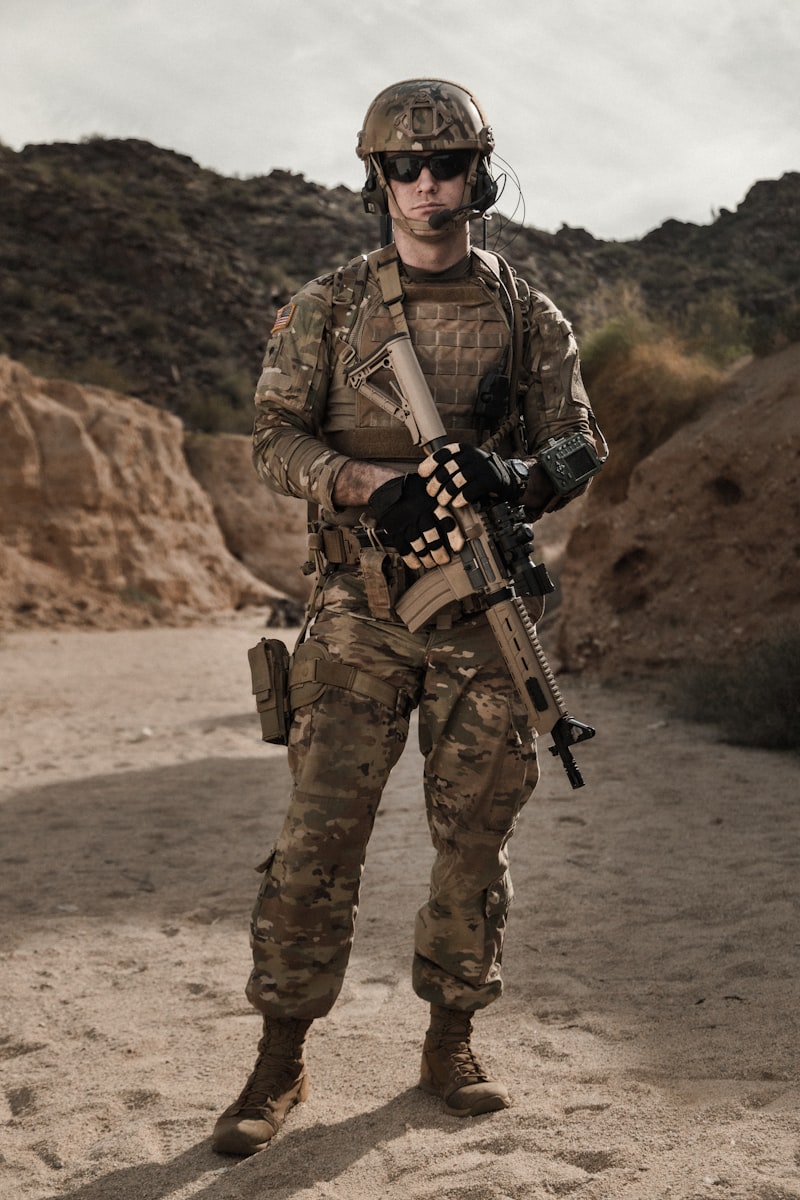
Tinnitus has been the most commonly claimed disability among U.S. veterans for over a decade. According to the Department of Veterans Affairs, more than 2.3 million veterans receive service-connected disability compensation for tinnitus as of 2025. If you served in the military and now experience persistent ringing, buzzing, hissing, or humming in your ears, you may be entitled to monthly compensation — and the filing process, while bureaucratic, is more straightforward than many veterans realize.
This guide walks you through every step: who qualifies, what evidence strengthens your claim, how to prepare for the Compensation & Pension (C&P) examination, how buddy letters work, and what to do if your initial claim is denied. Whether you are filing for the first time or supplementing an existing claim with new evidence, this article covers the process from start to finish.
Why Tinnitus Is the #1 VA Disability Claim
Military service exposes personnel to extreme noise levels that far exceed occupational safety thresholds. A single M16 rifle shot produces approximately 157 dB of sound pressure — well above the 140 dB threshold for instant cochlear damage. Repeated exposure to weapons fire, explosions, aircraft engines, armored vehicles, and even shipboard machinery causes cumulative damage to the delicate hair cells in the inner ear.
Unlike hearing loss, which can be measured on an audiogram, tinnitus is a subjective condition. Only the person experiencing it can perceive the sound. This makes it both easier to claim (no objective test can disprove it) and sometimes harder to prove (the VA still requires a plausible connection to service). The good news is that the VA recognizes the strong association between military noise exposure and tinnitus, and the threshold for establishing service connection is achievable with proper documentation.
According to the Veterans Benefits Administration Annual Benefits Report, tinnitus claims have a relatively high grant rate compared to other conditions — largely because the link between military noise exposure and subsequent tinnitus is well-established in medical literature. A 2014 study published in Noise & Health found that military personnel are 2.5 times more likely to develop tinnitus than civilians of the same age.
Eligibility Criteria for a Tinnitus Claim
To receive VA disability compensation for tinnitus, you must establish three elements, known as the Caluza Triangle (from the 1995 Court of Appeals for Veterans Claims decision):
- A current diagnosis of tinnitus. Because tinnitus is subjective, your own statement that you experience ringing in your ears is generally accepted as evidence of a current condition. No audiometric test is required to diagnose tinnitus.
- An in-service event, injury, or noise exposure. This is the nexus trigger. You need to show that something during your military service caused or contributed to your tinnitus. Your Military Occupational Specialty (MOS) is often the strongest evidence — infantry, artillery, aviation, armor, and engineering MOSs carry presumptive noise exposure.
- A medical nexus. This is a medical opinion (usually provided during the C&P exam) that states it is "at least as likely as not" (50% or greater probability) that your tinnitus is related to your military service.

Gathering the right evidence before filing significantly increases the likelihood of a successful VA tinnitus claim.
The key phrase in VA claims law is "at least as likely as not." This is a 50/50 standard — far lower than the "beyond a reasonable doubt" standard used in criminal law. You do not need to prove with certainty that your service caused your tinnitus. You need to establish that it is at least as likely as not.
If you are struggling with the emotional toll of tinnitus alongside your claim, our guide on tinnitus and anxiety covers the psychological burden and evidence-based coping strategies.
While pursuing your VA claim, managing your tinnitus symptoms is equally important. Download Lushh free to access sound therapy, notch filtering, and daily tracking tools designed for tinnitus relief →
Evidence You Need to Gather
A well-prepared claim includes multiple forms of supporting evidence. The more you can provide upfront, the faster your claim will be processed and the less likely it is to be denied for insufficient documentation.
Service Treatment Records (STRs)
Your military medical records may contain audiograms, hearing conservation program results, or notes about ear complaints. Request your STRs from the National Personnel Records Center (NPRC) using Standard Form 180. Even if your STRs do not mention tinnitus specifically, audiograms showing a threshold shift (worsening hearing over the course of your service) support your claim. Many veterans never reported tinnitus during service because they thought it was normal — the VA understands this.
DD-214 and MOS Documentation
Your DD-214 discharge form lists your MOS, unit assignments, and deployment history. The VA maintains a "Duty MOS Noise Exposure Listing" that categorizes every MOS by probability of hazardous noise exposure (high, moderate, or low). If your MOS is rated "high probability," the noise exposure element is essentially conceded. High-probability MOSs include:
- Infantry (11B/0311)
- Artillery (13B/0811)
- Combat Engineer (12B/1371)
- Armor/Tank Crew (19K/1812)
- Aircraft Mechanic/Crew Chief
- Special Operations
- Field Artillery Fire Direction
Personal Statement (VA Form 21-4138)
Write a detailed personal statement describing when your tinnitus began, what noise exposure you experienced during service, how the tinnitus has progressed, and how it affects your daily life. Be specific. Instead of writing "I was exposed to loud noises," write "During my deployment to Helmand Province in 2011, I was exposed to IED blasts on three occasions without adequate hearing protection, and daily weapons fire from M4 rifles and M240 machine guns during patrol operations."
Private Medical Records
If you have ever seen a private physician, audiologist, or ENT specialist for your tinnitus, include those records. A private medical opinion supporting the service connection can be extremely valuable, especially if it specifically states the nexus to military noise exposure.
Writing Effective Buddy Letters
Buddy letters (also called buddy statements or lay statements) are written statements from people who can corroborate your claim. These are one of the most underutilized and most effective pieces of evidence in VA claims.
A buddy letter can come from:
- Fellow service members who witnessed the noise exposure events
- Family members who observed changes in your hearing or behavior after service
- Spouses or partners who can describe how tinnitus affects your sleep, concentration, and quality of life
- Coworkers who have noticed you struggling with hearing or concentration in workplace settings
An effective buddy letter should be specific, factual, and signed. It should include:
- The author's full name, relationship to you, and period of service (if a fellow veteran)
- Specific incidents of noise exposure they witnessed
- Observable changes in your behavior (asking people to repeat themselves, turning up the TV volume, difficulty sleeping)
- A statement that the information is true and correct to the best of their knowledge
"During our deployment to FOB Shank in 2012, SPC [Name] and I were exposed to multiple IED detonations within close proximity. On at least two occasions, we were within 30 meters of the blast. After these events, he told me his ears were ringing constantly and he had difficulty hearing normal conversation." — Example buddy letter excerpt
Preparing for the C&P Exam
The Compensation & Pension (C&P) examination is where the VA obtains its medical nexus opinion. A VA-contracted examiner will review your claim file, ask you questions, and perform a hearing evaluation. This exam is critical — the examiner's opinion often determines whether your claim is granted or denied.

The C&P exam includes audiometry testing and a medical interview. Preparation and honesty are key to an accurate assessment.
Before the Exam
- Review your claim file and personal statement so you can speak consistently about your noise exposure history
- Bring a list of all noise exposure events during service, with approximate dates and locations
- Note when your tinnitus began and whether it has been constant or intermittent since onset
- Prepare to describe how tinnitus affects your daily life: sleep disruption, concentration difficulty, emotional distress
During the Exam
Be honest and thorough. Do not exaggerate, but do not minimize either. Many veterans have a tendency to downplay their symptoms — a habit ingrained by military culture. If your tinnitus keeps you awake at night, say so. If it makes it hard to concentrate at work, say so. If it causes anxiety or irritability, say so.
The examiner will likely ask you to describe the sound (ringing, buzzing, hissing, clicking), which ear or both, whether it is constant or intermittent, when it started, and what you believe caused it. They will also conduct puretone audiometry and speech recognition testing.
One critical detail: the examiner may ask if your tinnitus is "recurrent" (occurs periodically) or "persistent" (constant). For VA rating purposes, both qualify — but "recurrent" tinnitus that occurs at least once per week is still rated at 10%.
Track your tinnitus symptoms daily with Lushh to build a documented history of your condition — evidence that strengthens your VA claim.
Download Lushh — Free →The Tinnitus Rating Schedule Explained
Tinnitus is rated under 38 CFR § 4.87, Diagnostic Code 6260. The maximum schedular rating for tinnitus is 10%, which as of 2026 pays approximately $171.23 per month (rates are adjusted annually for cost of living).
This 10% rating applies whether your tinnitus is in one ear or both, whether it is mild or severe, and whether it is intermittent or constant. The rating is a flat cap — there is no 20%, 30%, or higher rating for tinnitus alone. This was affirmed by the Supreme Court in Smith v. Nicholson (2005), which held that a single 10% rating is assigned for tinnitus regardless of whether it is perceived in one ear or both.
While 10% may seem low, it is important to understand that tinnitus is often just the starting point. The real value comes from secondary conditions and combined ratings.
Secondary Conditions That Increase Your Rating
Once tinnitus is service-connected, you can file secondary claims for conditions caused or aggravated by your tinnitus. Common secondary conditions include:
- Hearing loss — rated 0% to 100% depending on speech discrimination scores and puretone thresholds. Often filed alongside tinnitus.
- Anxiety disorder — rated 0% to 100%. The constant perception of tinnitus can cause or worsen anxiety. A mental health professional can provide the nexus opinion.
- Major depressive disorder — rated 0% to 100%. Tinnitus and depression are strongly linked in medical literature, with studies showing that 33% of tinnitus patients also meet criteria for clinical depression.
- Insomnia / sleep disturbance — rated 0% to 100%. Tinnitus is one of the most commonly cited causes of chronic sleep disruption.
- Migraines — rated 0% to 50%. Emerging research links tinnitus with migraine through shared neural pathways.
- Meniere's disease — rated 30% to 100%. If you have vertigo, tinnitus, and hearing loss, you may qualify under Meniere's disease.
A combined rating of 50% or higher is not uncommon when tinnitus is claimed alongside hearing loss and a mental health condition. VA math uses a combined ratings table rather than simple addition — for example, 10% tinnitus + 50% anxiety + 10% hearing loss = approximately 58%, rounded to 60%.
The Filing Process Step by Step
Step 1: Create a VA.gov Account
Register at VA.gov using ID.me, Login.gov, or DS Logon. This gives you access to the online claims portal where you can file, upload evidence, and track your claim status.
Step 2: File VA Form 21-526EZ
This is the Application for Disability Compensation. You can file online at VA.gov, by mail, or in person at a VA regional office. Online filing is fastest and creates an immediate intent-to-file date (which determines your effective date for back pay if the claim is granted).
Step 3: Submit Supporting Evidence
Upload your buddy letters, personal statement, private medical records, and any other supporting documentation through the VA.gov portal. You have one year from your intent-to-file date to submit all evidence.
Step 4: Attend the C&P Exam
The VA will schedule your C&P exam, usually within 30-60 days of filing. Attend this exam — missing it will result in automatic denial. If you cannot make the scheduled date, contact the VA immediately to reschedule.
Step 5: Wait for a Decision
Average processing time is 3-6 months, though it can be faster with the Fully Developed Claim (FDC) program, which signals to the VA that all evidence has been submitted upfront.
What to Do If Your Claim Is Denied
A denial is not the end. Under the Appeals Modernization Act (AMA), you have three options:
- Supplemental Claim (VA Form 20-0995). Submit new and relevant evidence that was not in the original claim file. This is the most common path and often the fastest.
- Higher-Level Review (VA Form 20-0996). A senior reviewer examines the same evidence for errors. No new evidence is accepted, but the reviewer may identify mistakes in how the original decision was made.
- Board of Veterans' Appeals (VA Form 10182). A Veterans Law Judge reviews your case. You can request a hearing (virtual or in-person), submit new evidence, or request a direct review of the existing record.
The most common reason for tinnitus claim denials is a negative nexus opinion from the C&P examiner — meaning the examiner concluded it was "less likely than not" that your tinnitus is related to service. In this case, obtaining an Independent Medical Opinion (IMO) from a private audiologist or otolaryngologist who reviews your records and provides a favorable nexus opinion is often the key to overturning the denial.
Getting Help from a VSO
A Veterans Service Organization (VSO) can help you prepare, file, and appeal your claim at no cost. VSOs have accredited representatives trained in VA claims law. The largest VSOs include:
- Disabled American Veterans (DAV)
- Veterans of Foreign Wars (VFW)
- American Legion
- AMVETS
- Wounded Warrior Project
You can find an accredited VSO representative through the VA's eBenefits portal or by visiting your local VA regional office. A VSO representative can review your evidence, help you write your personal statement, identify secondary conditions you may not have considered, and represent you at hearings.
For information about how tinnitus and PTSD interact — an especially common combination in combat veterans — see our in-depth article on tinnitus and PTSD in veterans. And for data on the noise levels that cause military hearing damage, read military hearing damage statistics.
Frequently Asked Questions
What is the VA disability rating for tinnitus?
Tinnitus is rated at a maximum of 10% under Diagnostic Code 6260. This is a flat rating regardless of severity. However, secondary conditions caused by tinnitus (such as anxiety, depression, or sleep disorders) can increase your total combined rating significantly.
Can I file a VA claim for tinnitus without hearing loss?
Yes. Tinnitus and hearing loss are separate conditions with separate ratings. You can have service-connected tinnitus without measurable hearing loss. Many veterans have normal audiograms but still experience chronic tinnitus from noise exposure during service.
How long does a VA tinnitus claim take to process?
The average processing time is 3 to 6 months. Claims submitted through the Fully Developed Claim program with all evidence included upfront tend to be processed faster. Using a VSO can reduce delays caused by incomplete submissions.
What evidence do I need for a VA tinnitus claim?
You need evidence of a current tinnitus diagnosis (self-reported is accepted), evidence of in-service noise exposure (MOS documentation, service records), and a medical nexus linking the two. Buddy letters from fellow service members strengthen your claim considerably.
Manage Your Tinnitus While You Wait
VA claims take months to process. In the meantime, Lushh gives you immediate access to clinically-informed sound therapy, notch filtering, CBT exercises, and daily symptom tracking — all tools that also help document your condition.
Download Lushh — FreeDisclaimer: This article is for informational purposes only and does not constitute legal or medical advice. VA policies and rating criteria may change. Always consult with an accredited VSO or VA-accredited attorney for guidance specific to your claim. Consult your healthcare provider for diagnosis and treatment of tinnitus.