
Tinnitus affects an estimated 749 million adults worldwide, according to a 2022 systematic review published in JAMA Neurology. In the United States alone, roughly 50 million people experience tinnitus, with 20 million describing it as bothersome and 2 million finding it severely debilitating. If you are reading this, you are not alone — and the landscape of tinnitus management has never been more promising than it is right now.
This guide is designed to be the most comprehensive, research-backed resource available on tinnitus management in 2026. We cover everything: what tinnitus actually is at a neurological level, the different types, how it is diagnosed, every major treatment modality with current evidence levels, lifestyle strategies, tracking methods, and when professional medical help is necessary. Whether you were recently diagnosed or have lived with tinnitus for years, this guide will give you actionable knowledge.
What Is Tinnitus?
Tinnitus is the perception of sound in the absence of an external acoustic stimulus. Most commonly described as a ringing, it can also manifest as buzzing, hissing, clicking, whooshing, or even musical tones. The word comes from the Latin tinnire, meaning "to ring."
Crucially, tinnitus is not a disease — it is a symptom. It signals that something has changed in the auditory pathway, from the outer ear to the auditory cortex. The most common underlying change is damage to the cochlear hair cells, which disrupts the normal pattern of neural signaling sent to the brain.
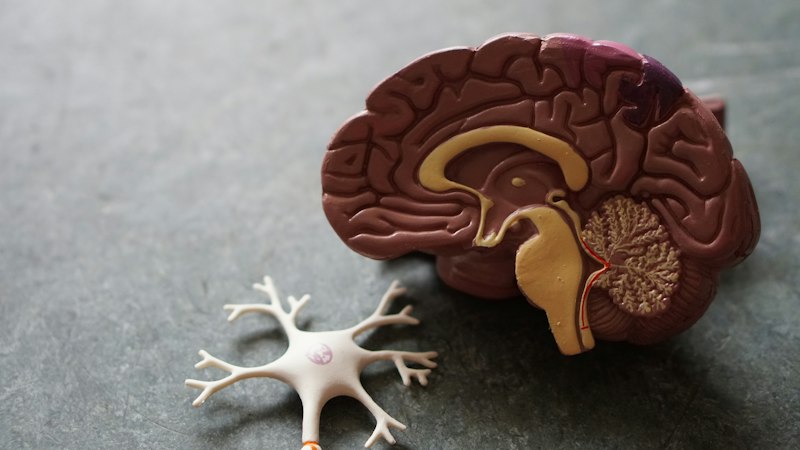
Modern neuroscience has largely settled on a central gain model of tinnitus. When the brain receives reduced input from damaged hair cells, it compensates by "turning up the volume" on its own neural circuits — amplifying spontaneous neural activity until it becomes perceptible as sound. This is why tinnitus persists even after the initial damage event has resolved. The phantom sound is generated in the brain, not the ear.
Understanding this mechanism is essential because it explains why tinnitus management works: if tinnitus is a brain-generated signal driven by maladaptive neuroplasticity, then targeted interventions can leverage neuroplasticity in reverse — training the brain to reduce, reclassify, or filter out the tinnitus signal.
Causes of Tinnitus
Tinnitus has dozens of potential triggers, but they cluster into several major categories:
Noise-Induced Hearing Loss
The single most common cause. Prolonged exposure to sounds above 85 dB — factory noise, concerts, power tools, headphones at high volume — damages the delicate stereocilia of cochlear hair cells. These cells do not regenerate in humans. The resulting frequency-specific hearing loss creates the neural imbalance that produces tinnitus. A 2023 WHO report estimated that 1.1 billion young people are at risk of noise-induced hearing loss from unsafe listening practices.
Age-Related Hearing Loss (Presbycusis)
Gradual deterioration of cochlear function beginning around age 50, typically affecting high frequencies first. Presbycusis accounts for a large percentage of tinnitus cases in adults over 60. The hearing loss is bilateral and symmetrical, and the associated tinnitus usually presents as a high-pitched tone.
Ototoxic Medications
Over 200 medications are known to be potentially ototoxic. The most common culprits include aminoglycoside antibiotics (gentamicin, tobramycin), platinum-based chemotherapy agents (cisplatin), loop diuretics (furosemide), high-dose aspirin and NSAIDs, and quinine. The ototoxic effect may be temporary or permanent depending on the drug, dose, and duration of use.
The auditory pathway from ear to brain. Tinnitus can originate from disruption at any point along this chain.
Ear Conditions
Cerumen (earwax) impaction, otosclerosis, Meniere's disease, acoustic neuroma, ear infections, and eustachian tube dysfunction can all produce tinnitus. These conditions are notable because many are treatable — removing the underlying cause can resolve the tinnitus entirely.
Cardiovascular and Metabolic Factors
Hypertension, atherosclerosis, and turbulent blood flow near the ear can produce pulsatile tinnitus. Thyroid disorders, diabetes, and anemia have also been associated with increased tinnitus prevalence. A 2024 meta-analysis in the Journal of Clinical Medicine found that cardiovascular risk factors were present in 38% of tinnitus patients.
TMJ Disorders and Head/Neck Injuries
The temporomandibular joint sits directly adjacent to the ear canal. TMJ dysfunction can produce or exacerbate tinnitus through somatosensory-auditory cross-talk in the dorsal cochlear nucleus. Head and neck trauma, including whiplash injuries, can also trigger tinnitus through similar somatosensory mechanisms.
Stress and Mental Health
While stress does not directly cause tinnitus, it is one of the strongest modulators of tinnitus perception. The limbic system (emotional processing) and the auditory cortex share extensive neural connections. Stress, anxiety, and depression amplify the brain's attention to tinnitus, creating a vicious cycle where tinnitus increases stress, which in turn increases tinnitus perception. Breaking this cycle is a central goal of CBT-based tinnitus management.
Types of Tinnitus
Not all tinnitus is the same. Proper classification is essential because different types respond to different treatments.
Subjective Tinnitus
By far the most common form, accounting for over 95% of cases. Only the patient can hear it. Caused by abnormal neural activity in the auditory pathway. This is the type that responds to sound therapy, notch therapy, CBT, and TRT.
Lushh's complete sound therapy and CBT toolkit is designed specifically for subjective tinnitus management. Try it free for 7 days →
Objective Tinnitus
Rare — present in fewer than 1% of cases. The sound can be detected by a clinician using a stethoscope or sensitive microphone placed near the ear. Causes include vascular anomalies (arteriovenous malformations, carotid stenosis), myoclonus of the middle ear muscles or palatal muscles, and patulous eustachian tube. Objective tinnitus often has a treatable underlying cause.
Pulsatile Tinnitus
A rhythmic sound that synchronizes with the heartbeat. Often a subtype of objective tinnitus. Caused by turbulent blood flow in vessels near the ear — commonly the carotid artery, jugular vein, or intracranial vessels. Pulsatile tinnitus should always be investigated medically because it can indicate conditions like atherosclerosis, arteriovenous malformation, or idiopathic intracranial hypertension.
Somatic Tinnitus
Tinnitus that can be modulated by movements of the head, neck, jaw, or eyes. This type is linked to somatosensory input from muscles and joints influencing the dorsal cochlear nucleus. It often responds to physical therapy, TMJ treatment, or cervical spine interventions.
Diagnosis and Assessment
A thorough tinnitus assessment typically involves several components:
Audiometric evaluation: Pure-tone audiometry to map hearing thresholds across frequencies (250 Hz to 8,000 Hz, extended to 16,000 Hz in some clinics). Many tinnitus patients have hearing loss at or near the frequency of their tinnitus.
Tinnitus pitch and loudness matching: The audiologist presents tones and the patient adjusts until they match their tinnitus frequency and loudness. This is critical for notch therapy and for monitoring changes over time.
Tinnitus questionnaires: Standardized instruments like the Tinnitus Handicap Inventory (THI), Tinnitus Functional Index (TFI), and the Tinnitus Primary Function Questionnaire (TPFQ) quantify the impact on sleep, concentration, emotions, and quality of life.
Medical imaging: MRI or CT scan if pulsatile tinnitus, unilateral tinnitus, or neurological symptoms are present — to rule out acoustic neuroma, vascular malformations, or other structural causes.
Blood tests: To check for thyroid dysfunction, anemia, diabetes, and other metabolic causes of tinnitus.
Sound Therapy
Sound therapy is the most widely used and most accessible tinnitus management strategy. The principle is straightforward: introducing external sound reduces the contrast between the tinnitus signal and the ambient acoustic environment, making the tinnitus less noticeable and less distressing.
But modern sound therapy goes far beyond simple masking. There are several distinct approaches, each with different mechanisms and evidence levels:
Sound Masking
Using external sound (white noise, nature sounds, fan noise) at a volume that partially or fully covers the tinnitus. Provides immediate relief but does not produce lasting neuroplastic change. Best used for sleep and concentration. For a detailed comparison of noise types, see our guide on white noise vs pink noise vs brown noise for tinnitus.
Sound Enrichment (Mixing Point)
Keeping background sound at a level just below tinnitus perception — the "mixing point." The tinnitus is still audible but blended with the external sound. Over time, this approach is thought to promote habituation by reducing the signal-to-noise ratio of the tinnitus. This is the approach used in TRT (see below).
Notch Therapy
A targeted approach that removes sound energy at your specific tinnitus frequency, triggering lateral inhibition in the auditory cortex. Unlike masking, notch therapy aims to produce lasting changes in neural activity. We cover this in detail in our dedicated notch therapy guide.
Binaural Beats
Presenting slightly different frequencies to each ear to produce a perceived "beat" frequency in the brain. Research on binaural beats for tinnitus is emerging but not yet conclusive. Read our full analysis in binaural beats for tinnitus: does the science support it?
For a comprehensive deep dive into all sound therapy modalities, see our complete guide to sound therapy for tinnitus.
Cognitive Behavioral Therapy (CBT)
CBT is the tinnitus treatment with the strongest evidence base for reducing tinnitus-related distress. A landmark 2020 Cochrane review analyzed 28 randomized controlled trials and concluded that CBT significantly reduces tinnitus distress, depression, and anxiety compared to no treatment, audiological care alone, or other active interventions.
CBT for tinnitus does not aim to eliminate the sound itself. Instead, it targets the emotional and behavioral responses that amplify tinnitus distress:
- Cognitive restructuring: Identifying and challenging catastrophic thoughts about tinnitus ("This will drive me insane," "I will never enjoy silence again") and replacing them with balanced, evidence-based perspectives.
- Attention retraining: Learning to redirect attention away from tinnitus toward meaningful activities, gradually reducing the brain's automatic monitoring of the sound.
- Behavioral activation: Counteracting the withdrawal and avoidance behaviors that often accompany chronic tinnitus — resuming social activities, reducing safety behaviors like constant background noise.
- Sleep hygiene and CBT-I: Applying sleep-specific cognitive behavioral techniques to break the insomnia-tinnitus cycle.
- Relaxation training: Progressive muscle relaxation, diaphragmatic breathing, and mindfulness techniques to reduce the physiological stress response that amplifies tinnitus.
A 2022 JAMA Otolaryngology study found that internet-delivered CBT for tinnitus produced outcomes comparable to face-to-face therapy, opening the door to scalable digital interventions. For a detailed exploration, read our guide on how CBT retrains your brain for tinnitus relief.

Mindfulness and cognitive reframing are core components of CBT for tinnitus, targeting the emotional response rather than the sound itself.
Notch Therapy
Notch therapy — formally known as tailor-made notched music training (TMNMT) — is one of the most scientifically compelling tinnitus treatments to emerge in the past decade. It works by exploiting a neural mechanism called lateral inhibition: when you listen to sound with a frequency "notch" cut out at your tinnitus pitch, the neurons surrounding that frequency become more active and suppress the hyperactive tinnitus-generating neurons.
The landmark study by Okamoto et al. (2010) in PNAS demonstrated significant reductions in tinnitus loudness and Tinnitus Handicap Inventory scores after 12 months of daily notched music listening. Subsequent studies by Teismann et al. (2011) confirmed reduced neural activity at the tinnitus frequency using MEG brain imaging.
Notch therapy requires accurate frequency matching — knowing the precise pitch of your tinnitus. Most protocols recommend 1-2 hours of daily listening for a minimum of 4-12 weeks. The notch is typically one octave wide, centered on your tinnitus frequency.
For the complete science and practical protocol, see our dedicated article: What is notch therapy for tinnitus?
Tinnitus Retraining Therapy (TRT)
Developed by Pawel Jastreboff in the 1990s, TRT is based on the neurophysiological model of tinnitus — the idea that tinnitus becomes distressing not because of the sound itself, but because of the negative emotional associations the brain has formed with it.
TRT combines two components:
- Directive counseling: Educating the patient about the neurophysiological model, demystifying tinnitus, and reframing it as a neutral signal rather than a threat.
- Sound therapy at the mixing point: Using broadband noise generators (typically worn like hearing aids) set just below the tinnitus level to promote gradual habituation.
TRT typically takes 12-24 months and requires ongoing audiologist supervision. A 2019 meta-analysis in Ear and Hearing found that TRT produced significant improvements in tinnitus severity scores compared to standard care, though outcomes were not consistently superior to CBT alone.
Lushh combines sound therapy, notch therapy, and CBT exercises in one app — the three most evidence-based tinnitus treatments, accessible from your phone.
Download Lushh — Free →Hearing Aids, Medication & Emerging Treatments
Hearing Aids
For patients with coexisting hearing loss (the majority of tinnitus sufferers), hearing aids can be remarkably effective. By amplifying external sounds in the frequency range of the hearing loss, they restore normal auditory input to the brain, reducing the central gain mechanism that drives tinnitus. A 2021 study in the American Journal of Audiology found that 60% of hearing aid users reported meaningful tinnitus improvement.
Many modern hearing aids include built-in tinnitus sound generators that combine amplification with sound therapy — a dual approach that addresses both the hearing loss and the tinnitus simultaneously.
Medication
No medication is FDA-approved specifically for tinnitus. However, several medications are used off-label to manage symptoms:
- Antidepressants (SSRIs, SNRIs): Reduce tinnitus-related anxiety and depression. Nortriptyline and amitriptyline have some evidence for tinnitus distress reduction.
- Benzodiazepines (clonazepam, alprazolam): Can reduce tinnitus perception acutely but carry significant addiction risk. Not recommended for long-term use.
- Anticonvulsants (gabapentin, carbamazepine): Mixed evidence. May help some patients with specific tinnitus subtypes.
- Melatonin: A 2024 meta-analysis found modest but significant improvement in tinnitus-related sleep disturbance with 3-5 mg melatonin at bedtime.
Bimodal Stimulation (Lenire)
Lenire, developed by Neuromod Devices, combines sound therapy with electrical stimulation of the tongue via a handheld device. The TENT-A3 trial published in Science Translational Medicine (2020) showed that 86% of participants experienced improvement in tinnitus severity after 12 weeks. The device received FDA clearance in 2023 and costs approximately $3,500-$4,000. It requires an initial fitting by a trained audiologist.
Transcranial Magnetic Stimulation (TMS)
Repetitive TMS targeting the auditory cortex has shown promise in some studies, with a 2023 meta-analysis in Brain Stimulation reporting moderate effect sizes. However, effects are often temporary, and the optimal stimulation protocol remains under investigation.
Supplements
Ginkgo biloba, zinc, magnesium, B vitamins, and lipo-flavonoid are widely marketed for tinnitus. The evidence is largely disappointing: a 2022 Cochrane review found no strong evidence that any dietary supplement reliably reduces tinnitus. Zinc supplementation may help in zinc-deficient patients. Magnesium has some evidence for noise-induced hearing loss prevention but limited data for established tinnitus.
Lifestyle Management
Beyond clinical treatments, lifestyle modifications play a significant role in tinnitus management. These strategies do not cure tinnitus but can meaningfully reduce its impact on daily life.
Hearing Protection
Preventing further noise damage is essential. Use earplugs (musician's earplugs preserve sound quality while reducing volume) in loud environments. Follow the 60/60 rule for headphone use: no more than 60% volume for no more than 60 minutes at a time.
Sleep Optimization
Tinnitus and sleep have a bidirectional relationship — poor sleep amplifies tinnitus, and tinnitus disrupts sleep. Establish a consistent sleep schedule, use sound enrichment at night (low-volume pink or brown noise), keep the bedroom cool and dark, and avoid screens for 30 minutes before bed. For specific sound recommendations, see our guide on noise colors for tinnitus sleep.
Stress Management
Regular exercise (150 minutes per week of moderate activity), meditation, yoga, and social connection all reduce the stress response that amplifies tinnitus. A 2023 study in Frontiers in Psychology found that mindfulness-based stress reduction (MBSR) reduced THI scores by an average of 12 points over 8 weeks.
Diet and Stimulants
While no diet has been proven to cure tinnitus, many patients report that caffeine, alcohol, salt, and sugar can temporarily spike tinnitus. Tracking your individual triggers is more useful than following generic dietary rules. Hydration is consistently beneficial — dehydration can increase blood viscosity and affect cochlear function.
Avoid Silence
Complete silence makes tinnitus maximally noticeable by eliminating all competing auditory input. Maintaining a low level of background sound enrichment throughout the day — using a fan, nature sounds, or low-volume music — reduces the perceived contrast of tinnitus and promotes habituation.
Tracking Your Tinnitus
Objective tracking transforms tinnitus from a vague, overwhelming experience into a measurable, manageable condition. Consistent tracking reveals patterns, identifies triggers, and documents improvement that might otherwise go unnoticed.
What to track daily:
- Tinnitus loudness: Rate on a 0-10 scale at the same time each day (morning and evening recommended).
- Distress level: Separate from loudness — you can have a loud tinnitus day with low distress, or vice versa.
- Sleep quality: Hours slept, time to fall asleep, nighttime awakenings.
- Potential triggers: Caffeine, alcohol, stress events, noise exposure, medication changes, weather, exercise.
- Treatment adherence: Sound therapy minutes, CBT exercises completed, notch therapy sessions.
Monthly assessment using a validated questionnaire (THI or TFI) provides an objective measure of change over time. Lushh includes built-in daily tracking and generates PDF reports you can share with your audiologist or physician.
When to See a Doctor
While most tinnitus is manageable with self-directed strategies, certain presentations require prompt medical evaluation:
- Pulsatile tinnitus: Rhythmic sound synchronizing with your heartbeat. Requires vascular imaging to rule out arteriovenous malformation, carotid stenosis, or intracranial hypertension.
- Unilateral tinnitus: Tinnitus in one ear only, especially if accompanied by hearing loss or fullness. Should be evaluated for acoustic neuroma (vestibular schwannoma) with MRI.
- Sudden onset: Tinnitus appearing abruptly, especially with sudden hearing loss. This is a medical emergency — sudden sensorineural hearing loss (SSNHL) requires corticosteroid treatment within 72 hours for best outcomes.
- Associated symptoms: Vertigo, facial numbness, headaches, or cognitive changes accompanying tinnitus may indicate neurological involvement.
- Severe psychological impact: If tinnitus is causing suicidal thoughts, inability to work, or severe depression, seek help immediately. Crisis resources: National Suicide Prevention Lifeline (988), Crisis Text Line (text HOME to 741741).
Even for non-urgent tinnitus, an initial evaluation by an ENT (otolaryngologist) or audiologist is recommended to establish a baseline hearing assessment and rule out treatable underlying conditions.
For a detailed comparison of all treatment approaches discussed in this guide, including cost and evidence levels, see our tinnitus treatment comparison guide.
Frequently Asked Questions
Can tinnitus be cured permanently?
There is currently no FDA-approved cure for tinnitus. However, many people experience significant reduction in tinnitus perception through evidence-based management strategies including sound therapy, CBT, and notch therapy. Approximately 80% of tinnitus patients achieve meaningful habituation within 12-18 months of consistent management.
What is the most effective treatment for tinnitus in 2026?
Research consistently shows that combination therapy produces the best outcomes. Sound therapy combined with CBT has the strongest evidence base, with studies showing 60-80% of patients reporting significant improvement. Notch therapy and TRT are also well-supported options. The most effective treatment varies by individual and tinnitus type.
When should I see a doctor about tinnitus?
See a doctor promptly if your tinnitus is pulsatile (rhythmic with your heartbeat), affects only one ear, appeared suddenly, is accompanied by hearing loss or dizziness, or significantly impacts your sleep, concentration, or mental health. These symptoms may indicate treatable underlying conditions.
How long does it take for tinnitus management to show results?
Most evidence-based treatments require 4-12 weeks of consistent use before noticeable improvement. Sound therapy effects can be felt within days for masking, but neuroplastic changes from notch therapy take 4-12 weeks. CBT typically shows meaningful results within 8-12 sessions over 2-3 months.
Start Managing Your Tinnitus Today
Lushh brings together sound therapy, notch therapy, and CBT exercises in one app — plus daily tracking, PDF doctor reports, and 65+ therapeutic sounds. Everything in this guide, in your pocket.
Download Lushh — FreeMedical Disclaimer: This article is for informational purposes only and does not constitute medical advice. The information presented is based on published peer-reviewed research but should not be used as a substitute for professional medical evaluation. Always consult a qualified healthcare provider — such as an ENT specialist or audiologist — for diagnosis and treatment of tinnitus or any medical condition. If you are experiencing a medical emergency or suicidal thoughts, contact emergency services immediately.