
The holiday season is supposed to be joyful. For people with tinnitus, it is often one of the most challenging periods of the year. Loud family gatherings in reverberant dining rooms. Fireworks on New Year's Eve. Travel across time zones that disrupts your carefully maintained sleep schedule. Increased alcohol consumption. Financial stress. The social pressure to be "festive" when your ears are screaming.
A 2020 survey by the British Tinnitus Association found that 61% of respondents reported their tinnitus worsened during the November-January holiday period. The reasons are cumulative: every known tinnitus exacerbator converges into a six-week period. But with awareness and planning, you can navigate the holidays without sacrificing your management progress.
Why Tinnitus Gets Worse During the Holidays
Holiday tinnitus exacerbation is not psychological -- it has identifiable physiological drivers. Understanding these mechanisms helps you target the right interventions:
Stress activation of the HPA axis. The hypothalamic-pituitary-adrenal axis is your body's central stress response system. Holiday stress -- financial pressure, family dynamics, social obligations, travel logistics -- activates sustained cortisol release. Research by Mazurek et al. (2012) in HNO demonstrated that chronic cortisol elevation increases neural excitability in the auditory cortex, directly amplifying tinnitus perception. The effect is dose-dependent: more stress equals louder perceived tinnitus.
Sleep disruption. Late-night gatherings, different beds, time zone changes, and excitement-driven insomnia disrupt circadian rhythms. A 2019 study in Sleep Medicine found that even two consecutive nights of reduced sleep (under 6 hours) increased tinnitus severity scores by an average of 1.4 points on a 10-point scale. Sleep is not optional for tinnitus management -- it is foundational.
Noise exposure. Holiday environments are loud. A family dinner with 12 people in a hard-surfaced dining room can reach 85-90 dB. Shopping malls during the holiday season commonly measure 75-85 dB. Church services with amplified music can hit 95+ dB. Each exposure adds to cumulative load without adequate recovery time.
Alcohol. Holiday drinking increases for most adults. Alcohol causes vasodilation that temporarily alters cochlear blood flow, and it disrupts sleep architecture by suppressing REM sleep. Both mechanisms independently worsen tinnitus, and together they create a compounding effect that can persist for 48 hours after heavy consumption.

Family holiday gatherings in hard-surfaced rooms can easily reach 85-90 dB -- enough to temporarily worsen tinnitus.
Surviving Loud Family Gatherings
Large family dinners are a perfect storm for tinnitus: multiple simultaneous conversations, laughter, clinking dishes, background music, children's excitement, and hard reflective surfaces that bounce sound around the room. The noise level in a typical holiday dinner with 10-15 guests routinely reaches 85-90 dB -- equivalent to a busy city street.
Practical Strategies
- Position yourself strategically. Sit at the end of the table rather than the middle, where conversational cross-talk is loudest. Choose a seat near soft furnishings (curtains, couches) rather than bare walls, as soft materials absorb sound rather than reflecting it.
- Take quiet breaks. Step outside or to a quiet room every 30-45 minutes for 5-10 minutes. You can frame this naturally: "I'm going to check on something" or "I need some fresh air." Nobody notices or minds as much as you think they will.
- Ask the host about music volume. Background music at holiday gatherings is usually louder than necessary. A polite request to lower it 10-20% often goes unquestioned, especially if you explain briefly: "The music is great, but my ears are sensitive -- could we turn it down a bit?"
- Bring discreet earplugs. Modern high-fidelity earplugs (like Loop Quiet or Flare Calmer) are nearly invisible and reduce volume by 10-15 dB without muffling conversation. They make crowded gatherings significantly more tolerable. Keep a pair in your pocket for the whole holiday season.
- Limit your time strategically. You do not need to be the first to arrive and last to leave. Arrive after the initial chaos settles and leave when you feel your tinnitus starting to escalate. Protecting your hearing health is not rude -- it is necessary self-care.
Fireworks and New Year's Eve
Fireworks represent one of the most acute hearing risks of the holiday season. A single firework explosion can produce 150-175 dB at close range -- well above the threshold for instantaneous hearing damage (140 dB). Even at 150 meters, levels commonly reach 100-120 dB.
For people with existing tinnitus, fireworks are particularly dangerous because the sudden impulse noise can cause immediate spike events that may last hours or days. A 2018 study in Noise and Health found that 23% of adults who attended fireworks displays reported temporary tinnitus symptoms afterwards, with 4% experiencing symptoms lasting over a week.
Fireworks Protection Protocol
- Maintain distance. Stay at least 150 meters (500 feet) from fireworks launch sites. Sound intensity decreases by 6 dB for every doubling of distance -- at 300 meters, levels are approximately 12 dB lower than at 150 meters.
- Wear hearing protection. Foam earplugs (NRR 30+) are appropriate for fireworks because sound quality does not matter -- you want maximum attenuation. Insert them before the first explosion.
- Watch from indoors. If your tinnitus is severe or reactive, the safest option is watching fireworks through a window with it closed. The glass and walls provide 20-30 dB of natural attenuation.
- Use sound masking indoors. If you are staying home, play sound therapy at a comfortable level to mask the unpredictable fireworks noise. Lushh's 65+ therapeutic sounds provide consistent audio that buffers against sudden noise intrusions.
- Prepare children and pets. If you have tinnitus and small children, remember that their ears are even more vulnerable. Provide ear protection for children at any fireworks event.
Travel Fatigue and Disrupted Routines
Holiday travel is exhausting under any circumstances. For tinnitus sufferers, it compounds multiple risk factors simultaneously: disrupted sleep, environmental noise, altitude changes (particularly for air travel), and the stress of logistics.
Air travel. Cabin noise on commercial aircraft measures 80-85 dB during cruise. A 4-hour flight is an 85 dB exposure that most passengers do not recognize as harmful. Combined with cabin pressurization changes that affect the middle ear, air travel commonly triggers tinnitus spikes. Wear noise-canceling headphones or earplugs throughout the flight. If you must listen to in-flight entertainment, use noise-canceling headphones at the lowest possible volume.
Time zone changes. Even a 1-2 hour time zone shift disrupts circadian rhythms enough to affect sleep quality for several days. For tinnitus management, this means your most important coping mechanism -- quality sleep -- is compromised exactly when you need it most. Adjust your sleep schedule gradually (30 minutes per day) in the days before travel if possible.
Routine disruption. If you have a daily management routine -- tracking, sound therapy, notch therapy sessions, meditation -- travel will try to disrupt it. The solution is to identify your two most impactful habits and prioritize those above all else. For most people, that means sleep consistency and sound enrichment at bedtime.
Traveling for the holidays? Lushh works offline -- download your sounds before you leave and maintain your therapy routine anywhere.
Download Lushh -- Free →Alcohol, Diet, and Holiday Indulgence
Holiday eating and drinking patterns differ dramatically from the rest of the year, and several common indulgences have direct effects on tinnitus:
Alcohol. Research is mixed on whether moderate alcohol consumption directly worsens tinnitus, but the indirect effects are well established. Alcohol disrupts sleep architecture (suppressing REM by up to 20% at moderate doses), causes dehydration, and increases anxiety rebound the following day. A 2017 study in Otology and Neurotology found that tinnitus patients who reduced alcohol intake by 50% over 8 weeks reported a 0.8-point average decrease in tinnitus severity on a 10-point scale. During the holidays, consider alternating alcoholic drinks with water and setting a clear limit before events begin.
Sodium. Holiday cooking tends to be salt-heavy. For people with Meniere's disease or endolymphatic hydrops (where tinnitus is related to inner ear fluid pressure), high sodium intake can trigger vertigo and tinnitus episodes. The American Academy of Otolaryngology recommends limiting sodium to 1,500-2,000mg per day for inner ear conditions. A typical holiday dinner can contain 3,000-4,000mg.
Caffeine. Holiday coffee consumption often increases -- cold weather, late nights, and jet lag all drive caffeine use upward. While the relationship between caffeine and tinnitus is individually variable, tracking your intake alongside tinnitus severity will reveal whether it is a trigger for you specifically.
For more on dietary triggers, see our guides on tinnitus and alcohol and tinnitus and caffeine.
Protecting Your Sleep Schedule
Sleep is the single most important factor in holiday tinnitus management. Every other stressor -- noise, alcohol, stress, diet -- is magnified by poor sleep. A 2021 meta-analysis in Journal of Clinical Sleep Medicine found that sleep quality was the strongest predictor of next-day tinnitus severity, stronger than noise exposure, stress, or any dietary factor.
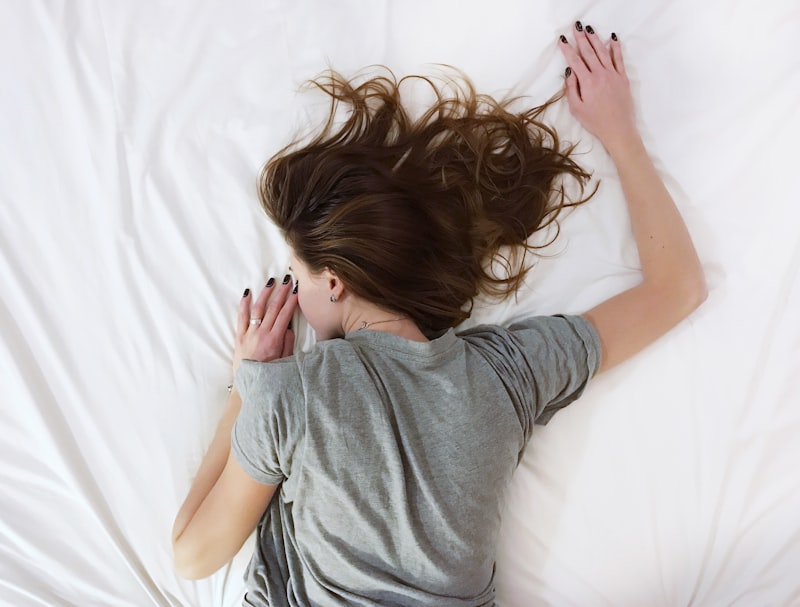
Maintaining your sleep schedule during the holidays is the single highest-impact strategy for preventing tinnitus worsening.
Holiday Sleep Protocol
- Maintain your wake time. Even if you go to bed late, wake up at your normal time. This preserves circadian rhythm better than sleeping in, which shifts your entire cycle.
- Bring your sleep sounds. If you use sound enrichment at home, bring it with you. A portable Bluetooth speaker or your phone with headphones running rain sounds or white noise recreates your sleep environment anywhere.
- Pack earplugs for sleeping. Guest bedrooms, hotel rooms, and relatives' homes are acoustically different from your bedroom. Foam earplugs ensure you control your nighttime sound environment.
- Limit alcohol near bedtime. Stop drinking at least 3 hours before sleep. Alcohol-induced sleep is low-quality sleep that fails to provide the deep restorative stages your auditory system needs for recovery.
For comprehensive sleep strategies, read our guides on how to sleep with tinnitus and best sounds for tinnitus sleep.
Survival Strategies That Work
Here is your consolidated holiday tinnitus survival checklist:
- Pack your kit. Earplugs (both high-fidelity for gatherings and foam for sleeping), portable sound machine or app, headphones for therapy sessions, and any supplements you take regularly.
- Communicate selectively. Tell a few key people about your tinnitus so they can accommodate you without you having to explain at every event.
- Set boundaries proactively. Decide before events how long you will stay, when you will take breaks, and what your alcohol limit is. Making these decisions in advance removes the in-the-moment negotiation.
- Continue tracking. Even abbreviated entries maintain the habit and give you data on how holiday activities affect your tinnitus.
- Schedule recovery days. After major events (Christmas dinner, New Year's Eve), give yourself a quiet day. No errands, no loud activities, just rest and gentle sound enrichment.
- Use CBT techniques for social stress. Cognitive restructuring -- challenging catastrophic thoughts like "this dinner is going to make my tinnitus terrible" -- reduces the anticipatory anxiety that itself worsens tinnitus.
- Practice self-compassion. The holidays are temporary. If your tinnitus worsens despite your best efforts, it will typically settle back to baseline within 1-2 weeks of returning to normal routine.
Don't let the holidays derail your tinnitus management. Lushh keeps your sound therapy, tracking, and CBT exercises portable and accessible anywhere.
Download Lushh -- Free →Frequently Asked Questions
Why does my tinnitus get worse during the holidays?
Holiday tinnitus worsening is driven by multiple converging factors: increased stress from social obligations and financial pressure, disrupted sleep schedules, higher alcohol consumption, louder environments at gatherings, and fireworks exposure. The HPA axis stress response directly amplifies neural hyperactivity in the auditory cortex, making tinnitus perception louder.
How can I protect my ears from fireworks on New Year's Eve?
Fireworks can produce 150-175 dB at close range, which causes instant hearing damage. Stay at least 150 meters from launch sites, wear earplugs rated NRR 25 or higher, and consider watching professional displays from indoors behind closed windows. If you have existing tinnitus, the safest option is staying indoors with sound masking to cover the fireworks noise.
Should I tell my family about my tinnitus during holiday gatherings?
Yes, selectively. You do not need to explain the full condition to everyone, but telling the host or a few key family members allows them to accommodate your needs -- keeping music at reasonable levels, seating you away from speakers, or understanding if you step outside for quiet breaks. Most people want to help; they just need to know what helps.
How do I maintain my tinnitus management routine while traveling for the holidays?
Pack your essentials: earplugs, a portable sound machine or sleep app, headphones for notch therapy sessions, and any supplements you take. Maintain your sleep schedule as closely as possible despite time zone changes. Continue daily tracking -- even brief entries maintain the habit. Focus on the two highest-impact habits: sleep consistency and sound enrichment at night.
Navigate the Holidays with Confidence
Lushh provides sound therapy, notch filtering, CBT exercises, and daily tracking that work offline -- everything you need to maintain your tinnitus management routine through the holiday season.
Download Lushh -- FreeDisclaimer: This article is for informational purposes only and does not constitute medical advice. Always consult your healthcare provider for diagnosis and treatment of tinnitus or any medical condition.