
If you have tinnitus, someone has probably told you to cut out coffee. It is one of the most common pieces of advice handed out by well-meaning friends, family members, and even some healthcare providers. The assumption seems intuitive: caffeine is a stimulant, tinnitus is an overactive signal, so stimulants must make it worse.
But the science tells a much more complicated — and in many cases, opposite — story. The largest study ever conducted on caffeine and tinnitus, published in the American Journal of Medicine in 2014 by Glicksman et al., tracked 65,085 women over 18 years. The finding that made headlines was not what anyone expected.
The Landmark 65,000-Woman Study
The study drew from the Nurses' Health Study II, one of the largest ongoing prospective cohort studies in the world. Researchers at Brigham and Women's Hospital in Boston followed 65,085 women aged 30-44 at baseline, tracking their caffeine intake and tinnitus onset from 1991 to 2009.
The results were striking: women who consumed more caffeine had a lower incidence of tinnitus. Specifically, women who drank 4-6 cups of coffee per day had a 15% lower risk of developing tinnitus compared to women who consumed less than 1.5 cups daily. The association held after adjusting for age, smoking, alcohol use, hypertension, hearing loss, BMI, and other confounders.
"Higher caffeine intake was associated with lower risk of incident tinnitus among these women. We observed a significant inverse association beginning at approximately 450 mg/day of caffeine." — Glicksman et al., American Journal of Medicine, 2014
This was not a small effect observed in a small sample. The study's statistical power — 65,085 participants over 18 years — makes it one of the most robust data points in tinnitus trigger research. During the study period, 5,289 cases of incident tinnitus were reported.
It is important to note the limitations: the study included only women, relied on self-reported caffeine intake and tinnitus diagnosis, and the association is correlational — it does not prove caffeine prevents tinnitus. But it powerfully challenges the assumption that caffeine universally worsens the condition.
How Caffeine Affects Your Auditory System
To understand why the caffeine-tinnitus relationship is so complicated, you need to understand caffeine's multiple mechanisms of action — several of which directly affect auditory processing.
Adenosine Receptor Blocking
Caffeine's primary mechanism is blocking adenosine receptors, particularly the A1 and A2A subtypes. Adenosine is an inhibitory neurotransmitter — it dampens neural activity. When caffeine blocks these receptors, neural excitability increases.
In the auditory system, adenosine receptors are present in the cochlea, the auditory nerve, and the auditory cortex. Blocking them could theoretically increase spontaneous neural firing — which is essentially what tinnitus is. This is the mechanism that supports the "caffeine worsens tinnitus" hypothesis.
However, adenosine also plays a role in neuroinflammation and oxidative stress in the cochlea. By modulating adenosine signaling, caffeine may actually have a protective effect on cochlear hair cells — the cells whose damage often initiates tinnitus. A 2016 study in the Journal of the Association for Research in Otolaryngology found that caffeine reduced noise-induced temporary threshold shifts in animal models, suggesting a cochlear protective effect.

Multiple mechanisms of caffeine action affect the auditory system — some potentially protective, others potentially aggravating.
Vasoconstriction
Caffeine causes vasoconstriction — narrowing of blood vessels. In the brain, this reduces cerebral blood flow by approximately 25-30% at typical consumption levels. The cochlea is one of the most metabolically active structures in the body and depends on delicate blood supply through the stria vascularis.
Reduced blood flow to the cochlea could theoretically affect hair cell function and exacerbate tinnitus. However, habitual caffeine consumers develop tolerance to the vasoconstrictive effects within days, meaning this mechanism may only be relevant for occasional users or those who significantly increase their dose.
Cortisol and Stress Response
Caffeine stimulates cortisol release, particularly in non-habitual consumers. Since stress and cortisol are well-established tinnitus amplifiers, this represents another pathway through which caffeine could worsen tinnitus perception. However, regular caffeine users show blunted cortisol responses — another example of tolerance development.
Central Nervous System Excitation
By increasing overall neural excitability, caffeine may amplify the central gain mechanism thought to underlie tinnitus. The central gain theory posits that after cochlear damage, the brain "turns up the volume" on auditory processing — and tinnitus results from this amplification. A stimulant like caffeine could theoretically increase this gain further.
Conversely, some researchers hypothesize that caffeine's effects on dopamine and serotonin pathways — neurotransmitters involved in mood and attention — may alter the emotional and attentional processing of tinnitus rather than the signal itself. This could explain why some people perceive louder tinnitus with caffeine (increased attention to the signal) without any actual change in the auditory pathway.
The Caffeine Paradox: Population Protection vs. Individual Trigger
The apparent contradiction — population data shows protection, individual experience shows aggravation — likely reflects two different phenomena:
Long-term biochemical effects: Habitual caffeine consumption may provide chronic antioxidant protection to cochlear structures, reduce neuroinflammation through adenosine modulation, and improve cerebrovascular health — all of which could lower tinnitus risk over decades. This is what the Nurses' Health Study II captures.
Acute pharmacological effects: A single dose of caffeine produces temporary vasoconstriction, increased neural excitability, and cortisol release — all of which could temporarily amplify tinnitus perception in susceptible individuals. This is what people notice in their daily experience.
A 2010 study by Claire et al. in the International Journal of Audiology tested this directly. Sixty-six tinnitus patients underwent caffeine challenges (double-blind, placebo-controlled) and caffeine withdrawal. The study found no significant difference in tinnitus loudness ratings between caffeine and placebo conditions — even among participants who believed caffeine worsened their tinnitus.
This points to a crucial insight: expectation and attention may play a larger role than pharmacology. If you believe caffeine worsens your tinnitus, you are more likely to monitor your tinnitus after drinking coffee, and selective attention to the signal naturally increases its perceived loudness.
Track your tinnitus triggers objectively with Lushh's daily logging feature →Caffeine Withdrawal and Tinnitus
Here is an irony that trips up many tinnitus sufferers: quitting caffeine to help tinnitus can temporarily make it worse.
Caffeine withdrawal produces measurable physiological effects that directly impact tinnitus:
- Rebound vasodilation: When caffeine's vasoconstrictive effect wears off, blood vessels dilate beyond their baseline diameter. This increased blood flow can change cochlear dynamics and increase pulsatile tinnitus perception.
- Adenosine surge: Upregulated adenosine receptors (the brain's adaptation to chronic caffeine) suddenly receive full adenosine signaling, causing drowsiness, headache, and altered neural processing — including auditory processing.
- Cortisol fluctuations: The withdrawal stress response itself can elevate cortisol, feeding the tinnitus-stress cycle.
- Sleep disruption: Paradoxically, caffeine withdrawal can temporarily disrupt sleep quality, and poor sleep is a potent tinnitus amplifier.
Withdrawal symptoms typically peak 24-48 hours after the last caffeine intake and resolve within 7-12 days. During this period, tinnitus may spike, leading many people to conclude that they "need" caffeine — when in reality, they are simply experiencing withdrawal effects.
If you want to test whether caffeine affects your tinnitus, a gradual taper (reducing by 25% per week) avoids the withdrawal spike and gives cleaner data.
Wondering if caffeine affects YOUR tinnitus? Lushh's daily tracker lets you log caffeine intake alongside tinnitus severity to reveal your personal pattern over weeks.
Download Lushh — Free →How to Test Your Own Response
Population studies cannot tell you whether caffeine affects your tinnitus. Individual variation is enormous — genetics determine caffeine metabolism speed (fast vs. slow metabolizers via CYP1A2 polymorphisms), tolerance levels differ, and tinnitus mechanisms vary between patients. The only reliable approach is systematic self-experimentation.
The Two-Week Caffeine Challenge Protocol
Week 1: Baseline measurement
- Continue your normal caffeine consumption (do not change anything)
- Rate your tinnitus severity 3 times daily (morning, afternoon, evening) on a 0-10 scale
- Log every caffeine source and approximate amount (coffee, tea, soda, chocolate, energy drinks, medications)
- Note time of consumption and time of each tinnitus rating
- Record sleep quality, stress level, and noise exposure as confounders
Week 2: Elimination test
- Eliminate all caffeine (switch to decaf — note that decaf still contains 2-15mg per cup)
- Continue the same 3-times-daily rating protocol
- Expect withdrawal effects in days 1-3 (headache, fatigue, irritability)
- Look for tinnitus changes in days 4-7 (after withdrawal resolves)
- Compare average daily tinnitus ratings between weeks
For more rigorous results, extend each phase to two weeks and add a third phase where you reintroduce caffeine. If tinnitus worsens reliably when caffeine is reintroduced and improves reliably when removed, you have strong evidence of a personal trigger. If there is no consistent pattern, caffeine is likely not a significant factor for you.
Tracking Caffeine-Tinnitus Correlation
The key to meaningful tracking is consistency and objectivity. Here is what the research suggests about building a useful dataset:
Track caffeine in milligrams, not cups. A "cup of coffee" can contain anywhere from 80mg (instant) to 300mg (large drip from a specialty roaster). Common caffeine amounts:
- Espresso shot: 63mg
- Drip coffee (8 oz): 95-200mg
- Black tea (8 oz): 47mg
- Green tea (8 oz): 28mg
- Cola (12 oz): 34mg
- Energy drink (8 oz): 70-100mg
- Dark chocolate (1 oz): 12mg
Rate tinnitus before caffeine and at 30, 60, and 120 minutes after. Caffeine reaches peak blood concentration at 30-60 minutes. If it affects your tinnitus, you should see changes in this window.
Control for confounders. Caffeine is rarely consumed in isolation. Morning coffee coincides with waking (when tinnitus is often loudest), stress, and environmental noise changes. Afternoon coffee coincides with fatigue and accumulated daily stress. Unless you control for these variables, you cannot attribute tinnitus changes to caffeine alone.
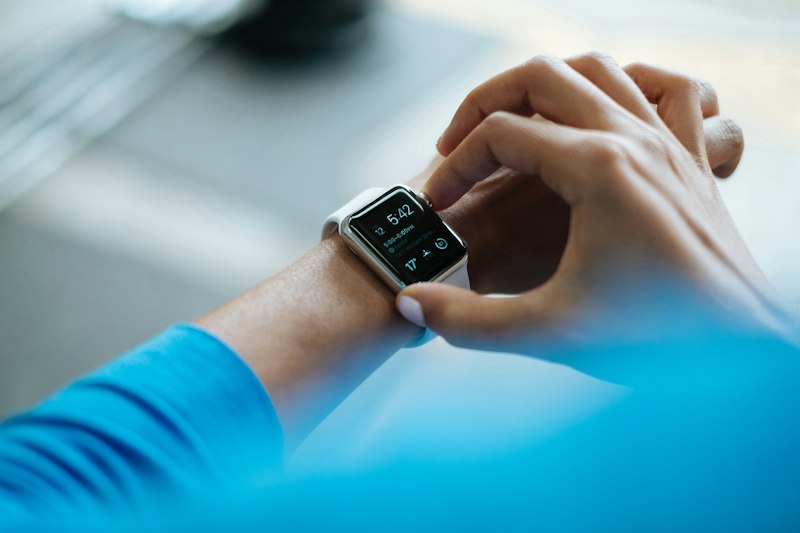
Systematic tracking over 2-4 weeks reveals whether caffeine is a genuine trigger or a coincidental association with other factors like time of day and stress.
Look for patterns over weeks, not days. Single-day observations are unreliable. Tinnitus fluctuates naturally — a spike after coffee on Tuesday might be coincidence. A consistent pattern across 14+ data points starts to become meaningful. Lushh's tracking system is designed to capture exactly this kind of longitudinal data and generate reports that reveal genuine correlations.
Frequently Asked Questions
Does caffeine make tinnitus worse?
The evidence is mixed and highly individual. The largest study (65,085 women, 18 years) found that higher caffeine intake was actually associated with lower tinnitus incidence. However, some individuals clearly experience temporary tinnitus spikes from caffeine, likely due to vasoconstriction and adenosine receptor effects. The only way to know is to track your own response systematically.
Should I quit coffee if I have tinnitus?
Not necessarily. Abruptly stopping caffeine can temporarily worsen tinnitus due to rebound vasodilation and withdrawal effects. If you suspect caffeine affects your tinnitus, try a gradual reduction while tracking severity daily. Many people find moderate caffeine consumption has no effect on their tinnitus.
How long after drinking coffee might tinnitus spike?
Caffeine reaches peak blood concentration 30-60 minutes after consumption. If caffeine affects your tinnitus, you would typically notice changes within this window. Effects can last 3-5 hours depending on your metabolism. Tracking tinnitus ratings at 30-minute intervals after caffeine can reveal your personal pattern.
Does caffeine withdrawal cause tinnitus?
Yes, caffeine withdrawal can temporarily increase tinnitus perception. When you stop caffeine, blood vessels dilate (rebound vasodilation), which can change inner ear blood flow and affect tinnitus. Withdrawal symptoms typically peak 24-48 hours after last caffeine intake and resolve within a week.
Track Your Triggers with Lushh
Stop guessing whether caffeine affects your tinnitus. Lushh's daily tracker logs severity alongside lifestyle factors, generating reports that reveal your real patterns over weeks. Plus 65+ therapeutic sounds and CBT exercises.
Download Lushh — FreeDisclaimer: This article is for informational purposes only and does not constitute medical advice. Do not make changes to your caffeine consumption or medication without consulting your healthcare provider. Always seek professional guidance for diagnosis and treatment of tinnitus.