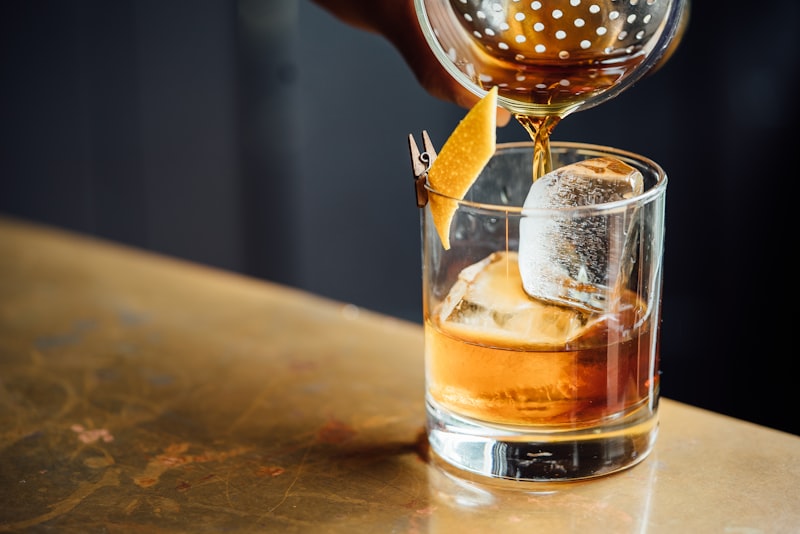
You had two glasses of wine at dinner. You slept reasonably well. But when you woke up, your tinnitus was screaming. Not just louder — more intrusive, more grating, harder to ignore. By late afternoon it settled back to baseline. This pattern is not imaginary, and you are not alone in noticing it.
The relationship between alcohol and tinnitus is one of the most commonly reported trigger associations in clinical surveys. A 2018 study in the Journal of Clinical Medicine found that 22% of tinnitus patients identified alcohol as a worsening factor — second only to stress (67%) and noise exposure (34%). Yet the mechanisms are more complex than "alcohol is bad for ears." Understanding exactly what happens helps you make informed choices rather than relying on blanket avoidance rules.
The Morning-After Tinnitus Spike
The timing of alcohol-related tinnitus spikes is remarkably consistent across patient reports: tinnitus is typically worst 6-12 hours after the last drink — not during drinking, but the morning after. This timing is key to understanding the mechanism.
During alcohol consumption, many people actually report temporary tinnitus reduction. Alcohol is a central nervous system depressant — it dampens neural activity, including the hyperactive auditory neurons that produce tinnitus. The relaxation and anxiolytic effects further reduce tinnitus awareness. This is part of what makes alcohol tempting as self-medication for tinnitus sufferers, and why chronic alcohol use is disproportionately common in this population.
But the body does not simply accept this suppression. As blood alcohol levels drop, compensatory mechanisms kick in. The central nervous system rebounds from suppression into a state of hyperexcitability. This rebound — essentially a miniature withdrawal — amplifies exactly the neural overactivity that drives tinnitus. The result: your morning tinnitus is louder than your pre-drinking baseline.
"The paradox of alcohol and tinnitus is that the temporary relief during consumption leads to amplified distress during the rebound phase. This creates a cycle where patients drink to suppress tinnitus, then experience worse tinnitus that drives further drinking." — Alcoholism: Clinical and Experimental Research, 2019
Vasodilation and Inner Ear Blood Flow
Alcohol causes peripheral vasodilation — your blood vessels expand, skin flushes, and blood flow patterns change throughout the body. The cochlea's blood supply is particularly sensitive to these changes because it depends on a single arterial source: the labyrinthine artery, a branch of the anterior inferior cerebellar artery.
During active vasodilation, increased blood flow to the cochlea can be perceived as pulsatile tinnitus — a whooshing or throbbing sound synchronized with heartbeat. This is a direct mechanical effect: you are literally hearing your own amplified blood flow through the delicate vessels of the inner ear.
As alcohol is metabolized and vasodilation reverses (typically 4-8 hours after the last drink), a period of relative vasoconstriction follows. This reduced cochlear blood flow stresses the metabolically demanding hair cells and stria vascularis — the structure that maintains the electrochemical balance essential for hearing. Temporary ischemia (reduced blood supply) in the cochlea directly impacts hair cell function and can amplify tonal tinnitus.
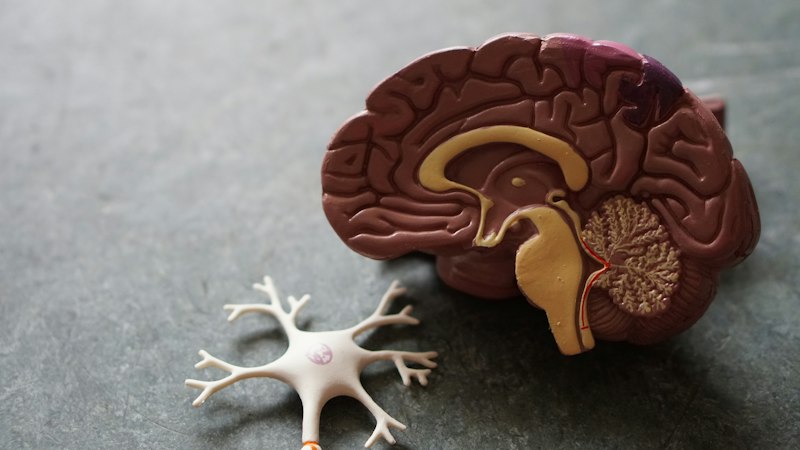
Alcohol's vasodilatory effect changes cochlear blood flow, directly impacting the delicate structures responsible for hearing and tinnitus generation.
Inner Ear Fluid Changes
The inner ear contains two critical fluids: endolymph and perilymph. The balance between these fluids, and their precise ionic composition, is essential for normal hearing. Disruption of this balance is the mechanism behind Meniere's disease — which produces severe tinnitus, vertigo, and hearing loss.
Alcohol affects inner ear fluid dynamics through multiple pathways:
- Osmotic effects: Alcohol is metabolized to acetaldehyde and then acetic acid, altering blood osmolarity. These changes create osmotic gradients that can shift fluid between the endolymphatic and perilymphatic spaces.
- Dehydration: Alcohol inhibits antidiuretic hormone (ADH/vasopressin), causing increased urination and systemic dehydration. Dehydration changes the concentration of ions in inner ear fluids, affecting the endocochlear potential — the electrical gradient that powers hair cell transduction.
- Electrolyte disruption: Alcohol-induced dehydration and vomiting deplete potassium and sodium — the exact ions that maintain the endolymphatic potential. Even moderate dehydration can reduce the endocochlear potential enough to affect hearing sensitivity.
A 2015 study in Audiology and Neurotology measured otoacoustic emissions (a test of outer hair cell function) before and after moderate alcohol consumption. Researchers found measurable changes in outer hair cell function beginning 2 hours after consumption and persisting for up to 16 hours. This directly demonstrates that alcohol temporarily alters cochlear mechanics — not just perception.
REM Sleep Disruption: The Hidden Amplifier
Perhaps the most significant — and most overlooked — pathway between alcohol and morning tinnitus is through sleep architecture. Alcohol devastates REM sleep, and REM sleep deprivation is independently linked to increased tinnitus severity.
Alcohol's effect on sleep follows a characteristic two-phase pattern:
- First half of the night: Alcohol increases slow-wave (deep) sleep and suppresses REM. You fall asleep faster and initially sleep deeply. This feels restorative — and is why many tinnitus sufferers use alcohol as a sleep aid.
- Second half of the night: As blood alcohol drops, the brain rebounds with increased REM pressure. Sleep becomes fragmented, with frequent micro-awakenings, vivid dreams, and light sleep. Total sleep time may look adequate, but the quality is severely degraded.
REM sleep is critical for emotional regulation, memory consolidation, and — crucially — the brain's ability to habituate to persistent stimuli like tinnitus. A 2020 study in Sleep Medicine Reviews established that REM sleep deprivation increases the emotional salience of auditory stimuli, making tinnitus feel more intrusive and distressing even without any change in its actual volume.
This creates a particularly insidious mechanism: alcohol disrupts the very sleep phase your brain needs to habituate to tinnitus, ensuring that the morning tinnitus spike is not just louder but also more emotionally distressing. For more on the tinnitus-sleep connection, see our guide on how to sleep with tinnitus.
Use Lushh's sleep timer for gentle sound therapy that fades as you fall asleep →Dose-Response: How Much Is Too Much?
Not all drinking affects tinnitus equally. Research suggests a dose-response relationship where both the amount consumed and the pattern of consumption matter.
Low intake (1 standard drink): A single drink rarely produces noticeable tinnitus changes in most people. Blood alcohol levels stay below 0.04%, vasodilatory effects are mild, and sleep disruption is minimal. Some individuals with highly reactive tinnitus may still notice effects at this level.
Moderate intake (2-3 standard drinks): This is the threshold where most people begin to notice morning tinnitus changes. Blood alcohol reaches 0.05-0.08%, vasodilation becomes significant, and sleep architecture is measurably disrupted. The morning spike is typically 1-3 points higher on a 10-point scale and resolves by early afternoon.
Heavy intake (4+ standard drinks): At this level, all mechanisms operate at full intensity. Dehydration is significant, REM sleep is severely disrupted, and the neural rebound effect the following morning can produce dramatic tinnitus spikes — sometimes 4-5 points above baseline lasting 24-48 hours.
Binge pattern: Concentrated heavy drinking (even if total weekly volume is moderate) is worse for tinnitus than the same amount spread across several days. The sharp rise and fall in blood alcohol maximizes the rebound effect.

The dose-response relationship between alcohol and tinnitus is non-linear — binge patterns are disproportionately worse than equivalent moderate consumption.
Red Wine vs. Spirits vs. Beer
Many tinnitus patients report that specific drink types affect them differently. While individual responses vary, there are biochemical reasons why this is not purely psychological.
Red wine contains several compounds beyond ethanol that may affect tinnitus:
- Histamine: Red wine contains 20-200 times more histamine than white wine. Histamine causes vasodilation and can trigger headaches and inner ear fluid changes in sensitive individuals.
- Tyramine: This biogenic amine, found in aged and fermented foods/drinks, can cause vasoconstriction followed by vasodilation — mimicking a migraine-like vascular response that affects cochlear blood flow.
- Sulfites: While present in all wines, sulfite sensitivity (estimated at 1-5% of the population) can trigger inflammatory responses that compound alcohol's effects.
- Tannins: Promote serotonin release, which in some individuals triggers headache and potentially altered auditory processing.
Clear spirits (vodka, gin) contain fewer congeners (byproducts of fermentation) and are generally reported as less triggering by tinnitus patients. This is consistent with research showing that congeners contribute significantly to hangover severity — and the post-alcohol neural rebound that amplifies tinnitus.
Beer has lower alcohol concentration per volume, which means slower blood alcohol rise and less dramatic vasodilatory effects. However, the carbonation and volume may contribute to faster absorption, and some beers contain significant histamine levels.
A pragmatic conclusion: if you choose to drink and have tinnitus, the type of alcohol may matter less than the total ethanol consumed, the speed of consumption, and hydration during and after drinking.
Track exactly which drinks affect your tinnitus and by how much. Lushh's daily logger captures severity alongside lifestyle factors, building your personal trigger profile.
Download Lushh — Free →Tracking Alcohol-Tinnitus Patterns
Systematic tracking is the only way to move from "I think alcohol makes my tinnitus worse" to "I know exactly how much, what type, and how long the effect lasts." Here is a practical tracking protocol.
What to log on drinking days:
- Type and quantity of each drink (in standard drink units)
- Time of first and last drink
- Water consumed alongside alcohol
- Food consumed (drinking on empty stomach vs. with meal)
- Tinnitus rating before drinking, at bedtime, upon waking, and at midday the next day
- Sleep quality rating the next morning
- Other potential confounders: stress, noise exposure, caffeine
Comparison framework: After 4-6 drinking occasions with consistent logging, compare your average next-morning tinnitus rating on drinking days vs. non-drinking days. If there is a consistent difference of 2+ points on a 10-point scale, alcohol is likely a meaningful trigger for you. If the difference is 0-1 points, alcohol may not be a significant factor — and the occasional spike you noticed was likely coincidence with other triggers.
Also look for patterns by drink type, quantity threshold, and time-of-day. You may find that 2 beers has no effect while 2 glasses of red wine does — or that drinking before 8pm is fine while drinking until midnight produces spikes. This kind of granular data is only possible through consistent tracking.
Frequently Asked Questions
Why is my tinnitus louder the morning after drinking?
Alcohol causes vasodilation (expanded blood vessels), changes inner ear fluid composition, disrupts REM sleep, and triggers dehydration — all of which can amplify tinnitus. The morning-after spike typically peaks 6-12 hours after your last drink as your body processes the alcohol and rebounds from its effects.
Is red wine worse for tinnitus than other alcohol?
Red wine contains histamines, tyramine, and sulfites that may compound alcohol's vasodilatory effects. Some tinnitus sufferers report red wine as a stronger trigger than clear spirits. However, the total alcohol content and volume consumed likely matter more than the type of drink.
Does alcohol cause permanent tinnitus damage?
Occasional moderate drinking is unlikely to cause permanent cochlear damage. However, chronic heavy alcohol use is associated with auditory nerve damage (alcohol-related peripheral neuropathy) and can cause lasting hearing changes. Binge drinking episodes also carry higher risk than equivalent amounts spread over time.
How long does alcohol-related tinnitus spike last?
For most people, alcohol-triggered tinnitus spikes resolve within 24-48 hours as the body fully metabolizes alcohol and rebalances inner ear fluid. If your tinnitus remains elevated beyond 48 hours after moderate consumption, other factors may be contributing.
Understand Your Triggers
Lushh tracks your tinnitus severity alongside lifestyle factors like alcohol, caffeine, sleep, and stress — revealing the patterns that matter for YOUR tinnitus. Plus sound therapy, notch filtering, and CBT exercises.
Download Lushh — FreeDisclaimer: This article is for informational purposes only and does not constitute medical advice. If you are concerned about your alcohol consumption or its effect on your health, please consult your healthcare provider. Always seek professional guidance for diagnosis and treatment of tinnitus.