
Over 600 medications have been identified as potentially ototoxic — capable of damaging the inner ear and causing hearing loss, tinnitus, or balance problems. For the estimated 750 million people worldwide who already live with tinnitus, understanding which medications can worsen their condition is not academic — it is a practical necessity that can determine whether a drug interaction turns a manageable annoyance into a severe disability.
This article examines the seven most clinically significant ototoxic drug classes: their mechanisms of cochlear damage, the dose thresholds at which tinnitus typically appears, whether the damage is reversible, and what you should discuss with your prescribing physician. This is not a recommendation to stop any medication — it is a guide to informed conversation with your medical team.
What Is Ototoxicity?
Ototoxicity refers to drug-induced damage to the structures of the inner ear — specifically the cochlea (responsible for hearing) and the vestibular apparatus (responsible for balance). The cochlea is particularly vulnerable because it has one of the highest metabolic rates of any organ, relies on a unique electrochemical gradient (the endocochlear potential), and its sensory hair cells do not regenerate once destroyed.
Ototoxic damage can manifest as:
- Tinnitus — often the first warning sign, preceding measurable hearing loss
- Sensorineural hearing loss — typically starting at high frequencies and progressing downward
- Vestibular dysfunction — dizziness, imbalance, oscillopsia (visual instability during head movement)
- Hyperacusis — increased sensitivity to normal-volume sounds
Crucially, tinnitus is often the earliest sign of ototoxicity, appearing before hearing loss can be detected on standard audiograms. This makes self-monitoring and systematic tracking of tinnitus changes an important early warning system when starting potentially ototoxic medications.
1. Aminoglycoside Antibiotics
Drugs in This Class
Gentamicin, tobramycin, amikacin, neomycin, streptomycin, kanamycin
Mechanism of Ototoxicity
Aminoglycosides enter cochlear hair cells through mechanotransduction channels at the tips of stereocilia — the very channels that detect sound vibrations. Once inside, they generate reactive oxygen species (ROS) that trigger apoptosis (programmed cell death) of hair cells. Neomycin is the most cochleotoxic, while gentamicin preferentially damages vestibular hair cells. The damage begins at the basal turn of the cochlea (high frequencies) and progresses apically (toward low frequencies) with continued exposure.
Risk Factors and Thresholds
- Duration: Risk increases sharply beyond 7-14 days of IV administration
- Dose: Peak serum levels above therapeutic range significantly increase risk
- Renal function: Impaired kidneys fail to clear the drug, allowing accumulation
- Concurrent medications: Combined with loop diuretics, ototoxicity risk multiplies
- Genetic predisposition: The mitochondrial DNA mutation m.1555A>G (present in ~1 in 500 people) causes extreme aminoglycoside sensitivity — a single dose can cause profound bilateral deafness
Reversibility
Usually irreversible. Aminoglycosides destroy hair cells permanently. Some early tinnitus may resolve if the drug is stopped promptly before significant cell death occurs, but established hearing loss from aminoglycosides does not recover. Cochlear damage can continue to progress for weeks after the drug is discontinued due to persistence in inner ear tissues.
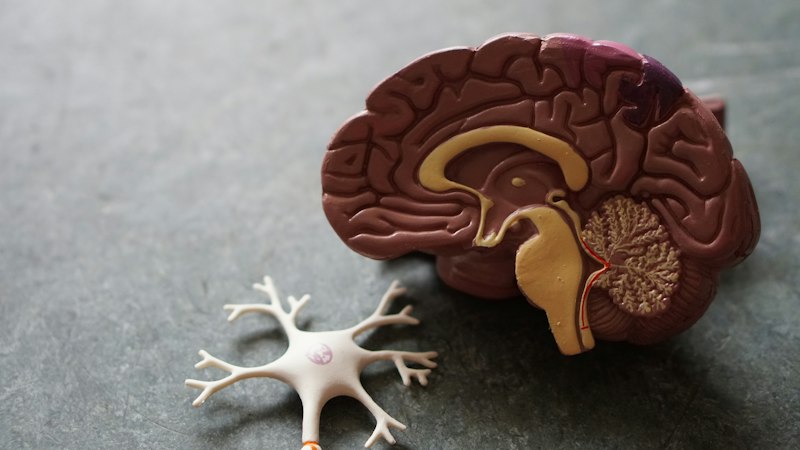
Monitoring serum drug levels and baseline audiograms are critical safeguards when ototoxic medications are necessary.
2. Cisplatin and Platinum-Based Chemotherapy
Drugs in This Class
Cisplatin, carboplatin, oxaliplatin
Mechanism of Ototoxicity
Cisplatin is the most ototoxic chemotherapy agent in clinical use. It generates massive oxidative stress in the cochlea by binding to DNA and mitochondria in outer hair cells and stria vascularis (the structure that maintains the endocochlear potential). The drug preferentially accumulates in the cochlea and can persist in inner ear tissues for months to years after the last dose.
Risk Factors and Thresholds
- Cumulative dose: Ototoxicity incidence rises dramatically above 200mg/m2 cumulative dose
- Age: Children are more susceptible than adults; hearing loss occurs in 40-60% of pediatric cisplatin recipients
- Cranial irradiation: Prior or concurrent radiation to the head increases risk substantially
- Pre-existing hearing loss: Any baseline hearing deficit increases vulnerability
Reversibility
Usually irreversible and progressive. Cisplatin-induced hearing loss and tinnitus are among the most permanent forms of drug-induced ototoxicity. Hearing loss can continue to worsen for months after completing chemotherapy. The FDA approved sodium thiosulfate (Pedmark) in 2022 as the first otoprotective agent for cisplatin-treated children, but it is not effective in all cases and is not approved for adults.
3. Loop Diuretics
Drugs in This Class
Furosemide (Lasix), bumetanide, ethacrynic acid, torsemide
Mechanism of Ototoxicity
Loop diuretics inhibit the Na-K-2Cl cotransporter (NKCC1) in the stria vascularis, disrupting the endocochlear potential — the electrical gradient that powers cochlear hair cell function. This temporarily reduces the sensitivity of the entire cochlea. Ethacrynic acid is the most ototoxic loop diuretic; furosemide ototoxicity is typically dose-dependent and reversible.
Risk Factors and Thresholds
- IV bolus dosing: Rapid IV push increases risk dramatically compared to slow infusion or oral dosing
- High doses: Furosemide above 240mg IV is high risk; above 1g/day oral is significant
- Renal impairment: Reduced clearance leads to accumulation
- Concurrent aminoglycosides: This combination is synergistically ototoxic — far worse than either drug alone
Reversibility
Usually reversible within 24-72 hours of dose reduction, as the stria vascularis recovers its normal function. However, ethacrynic acid can cause permanent damage, and repeated high-dose furosemide courses may cause cumulative harm.
Track medication-related tinnitus changes with Lushh's daily tracker. Generate PDF reports to share with your doctor showing tinnitus severity over time.
Download Lushh — Free →4. High-Dose Aspirin (Salicylates)
Mechanism of Ototoxicity
Aspirin (acetylsalicylic acid) is one of the best-studied ototoxic compounds. At high doses, salicylates inhibit cyclooxygenase (COX) in the cochlea, reducing blood flow, and directly affect the motor protein prestin in outer hair cells. Prestin is responsible for the electromotility of outer hair cells — the active amplification process that gives the cochlea its sensitivity. Salicylate exposure reduces prestin function, effectively "turning down" cochlear amplification.
Risk Factors and Thresholds
- Dose-dependent: Tinnitus typically appears at serum salicylate levels above 20mg/dL, corresponding to roughly 2.7g/day (8+ regular-strength tablets)
- Low-dose aspirin (81mg): Rarely causes tinnitus at cardiac prevention doses
- Individual variation: Some people develop tinnitus at lower doses; elderly and those with pre-existing hearing loss are more sensitive
Reversibility
Fully reversible in most cases. Aspirin-induced tinnitus typically resolves within 24-72 hours of dose reduction. This reversibility is because salicylates alter hair cell function without destroying the cells. However, chronic high-dose use (as in rheumatic disease) may cause cumulative damage over years.
5. NSAIDs (Non-Steroidal Anti-Inflammatory Drugs)
Drugs in This Class
Ibuprofen, naproxen, diclofenac, indomethacin, celecoxib
Mechanism of Ototoxicity
NSAIDs share the COX-inhibition mechanism with aspirin, though their ototoxic profile is generally milder. A large prospective cohort study published in the American Journal of Medicine (2010) analyzed 26,917 men and found that regular NSAID use (2+ days per week) was associated with a 13% increased risk of hearing loss compared to non-use. The risk was highest for men under 50 using ibuprofen regularly.
Risk Factors and Thresholds
- Duration matters more than dose: Chronic daily use carries more risk than occasional use
- Age: Younger adults paradoxically showed higher relative risk increase than elderly in the Harvard cohort
- Combined with other ototoxics: NSAID + aminoglycoside or NSAID + loop diuretic increases risk
Reversibility
Usually reversible for acute, dose-related tinnitus. Chronic NSAID use over years may contribute to gradual, less reversible sensorineural hearing loss through cumulative cochlear blood flow reduction.
6. SSRIs and Antidepressants
Drugs in This Class
Sertraline (Zoloft), fluoxetine (Prozac), paroxetine (Paxil), escitalopram (Lexapro), venlafaxine (Effexor), duloxetine (Cymbalta), bupropion (Wellbutrin)
Mechanism of Ototoxicity
The relationship between SSRIs and tinnitus is complex and somewhat paradoxical. Serotonin receptors are present in the cochlear nucleus and inferior colliculus — key auditory processing stations. SSRIs alter serotonin levels in these areas, which can modify auditory gain and tinnitus perception in both directions. Some patients report tinnitus onset with SSRIs; others report improvement, particularly when anxiety was the primary driver of their tinnitus distress.
Risk Factors and Thresholds
- Onset timing: SSRI-related tinnitus typically appears within 2-6 weeks of starting or increasing dose
- Withdrawal tinnitus: Abrupt SSRI discontinuation can trigger transient tinnitus as part of discontinuation syndrome
- Bupropion: Has the highest tinnitus incidence among antidepressants (~2% in clinical trials)
- SNRIs: Venlafaxine and duloxetine may carry slightly higher tinnitus risk than pure SSRIs
Reversibility
Usually reversible if the medication is adjusted. However, the decision to discontinue or change an antidepressant should never be made because of tinnitus alone — untreated depression significantly worsens tinnitus outcomes. Dose adjustment or switching to a different agent (sertraline and escitalopram tend to have lower tinnitus incidence) is typically preferable to stopping antidepressant therapy.

An informed conversation with your doctor about ototoxicity risk allows for monitoring plans and safer alternatives.
7. Quinine and Antimalarials
Drugs in This Class
Quinine, chloroquine, hydroxychloroquine, mefloquine
Mechanism of Ototoxicity
Quinine affects potassium channels in outer hair cells and stria vascularis, disrupting the endocochlear potential similarly to loop diuretics. It also has direct vasoconstrictive effects on the cochlear blood supply. Quinine-induced tinnitus is part of a syndrome called "cinchonism" that also includes headache, nausea, visual disturbances, and confusion.
Risk Factors and Thresholds
- Therapeutic doses for malaria: Tinnitus is almost universal at treatment doses (1.8g/day) — it is essentially an expected side effect
- Tonic water: Contains small amounts of quinine (up to 83mg/L) — insufficient to cause ototoxicity in most people, though sensitive individuals report tinnitus worsening
- Hydroxychloroquine: Lower ototoxicity risk than quinine; hearing effects reported with chronic use (as in rheumatoid arthritis or lupus) at cumulative doses exceeding 600g
Reversibility
Usually reversible for acute use. Chronic quinine use (now rare for leg cramps due to FDA warnings) can cause permanent damage.
What to Tell Your Doctor
If you have tinnitus and are prescribed a potentially ototoxic medication — or if you develop new tinnitus after starting one — here is what to communicate to your prescribing physician:
- Document the timeline: When exactly did tinnitus start or change relative to the medication start date? Use a tracking tool like Lushh to generate a PDF report showing daily tinnitus severity over time. Track with Lushh →
- Describe the change precisely: Is the tinnitus new, louder, different in pitch, in a different ear, or accompanied by hearing changes?
- Ask about alternatives: For many drug classes, less ototoxic alternatives exist within the same category
- Request baseline audiometry: If starting a known ototoxic drug for an extended course, request a baseline audiogram before treatment begins
- Do not stop medications unilaterally: Ototoxic medications are often prescribed because they are necessary — some are life-saving
Monitoring and Prevention
For patients on known ototoxic medications, the American Speech-Language-Hearing Association (ASHA) recommends:
- Baseline audiogram before treatment begins, including ultra-high frequency testing (9-20 kHz) for early detection
- Serial audiograms during treatment — monthly for aminoglycosides, before each cisplatin cycle
- Daily tinnitus self-monitoring — new tinnitus should be reported immediately
- Serum drug level monitoring for aminoglycosides (trough and peak levels)
- Renal function monitoring to prevent accumulation
Emerging otoprotective strategies include co-administration of antioxidants (NAC, sodium thiosulfate, D-methionine), though evidence is still evolving. For more on preventive supplementation, see our guide to natural remedies for tinnitus.
Frequently Asked Questions
Can aspirin cause tinnitus?
Yes. At high doses (typically above 2.7g/day), aspirin causes reversible tinnitus in most people by inhibiting the prestin motor protein in outer hair cells. Low-dose aspirin (81mg for cardiac prevention) rarely causes tinnitus.
Is drug-induced tinnitus always reversible?
No. Reversibility depends on the drug class. Aspirin and NSAID-induced tinnitus typically resolves within 24-72 hours of dose reduction. However, aminoglycoside and cisplatin-induced ototoxicity is usually permanent because these drugs destroy cochlear hair cells, which do not regenerate.
Should I stop my medication if I develop tinnitus?
Never stop or reduce a prescribed medication without consulting your doctor. Some ototoxic medications are life-saving. Your doctor can weigh the risk-benefit ratio, adjust doses, switch to alternatives, or implement monitoring protocols.
How many medications are known to be ototoxic?
Over 600 medications have been identified as potentially ototoxic. However, the risk varies enormously — from drugs that cause tinnitus in most users at therapeutic doses to those that cause it rarely and only at extreme doses.
Track Medication-Related Tinnitus Changes
Lushh's daily tracker generates PDF reports you can share with your doctor, showing exactly how your tinnitus changes over time relative to medication adjustments.
Download Lushh — FreeDisclaimer: This article is for informational purposes only and does not constitute medical advice. Never stop, start, or change medication dosing without consulting your prescribing physician. The information here is intended to support informed patient-doctor conversations, not to replace professional medical guidance.