
"Watch your salt." It is one of the first dietary recommendations many tinnitus patients receive. But how much of the diet-tinnitus connection is supported by evidence, and how much is assumption? The answer depends heavily on what type of tinnitus you have, what dietary factors you are considering, and whether you are looking at direct cochlear effects or indirect systemic ones.
Three dietary factors have the strongest mechanistic links to tinnitus: sodium (through inner ear fluid dynamics), sugar (through glycemic and vascular effects on the cochlea), and glutamate/MSG (through direct excitatory neurotransmitter effects on the auditory pathway). Each operates through a different mechanism, and each has a different strength of evidence behind it.
Sodium and Endolymph Pressure
The connection between sodium and tinnitus runs through one of the most critical structures in your inner ear: the endolymphatic system. The cochlea contains two fluid-filled compartments — the scala media (filled with potassium-rich endolymph) and the surrounding spaces (filled with sodium-rich perilymph). The electrochemical difference between these fluids creates the endocochlear potential — the battery that powers hair cell transduction and hearing.
Sodium intake affects this system through osmotic regulation. When blood sodium levels rise after a salty meal, osmotic gradients change throughout the body — including in the delicate membranes that separate endolymph from perilymph. Increased sodium can shift fluid balance, causing endolymphatic hydrops — an excess of endolymph that increases pressure on the delicate sensory structures of the cochlea.
This is not hypothetical. Endolymphatic hydrops is the defining pathology of Meniere's disease, and sodium restriction is the single most recommended dietary intervention for Meniere's patients. A 2016 Cochrane review noted that while large randomized controlled trials are lacking, observational evidence and clinical experience consistently support sodium restriction as beneficial for reducing Meniere's symptoms, including tinnitus.
How much sodium matters:
- The average North American consumes 3,400mg of sodium daily
- Meniere's dietary guidelines recommend under 1,500-2,000mg daily
- A single restaurant meal can contain 2,500-4,000mg of sodium
- Processed foods account for 70% of dietary sodium (not the salt shaker)
- The effect of a high-sodium meal on inner ear fluid can take 2-6 hours to manifest
For tinnitus patients without Meniere's disease, the evidence for sodium restriction is weaker but not absent. A 2019 study in Nutrients found that high sodium intake was associated with higher tinnitus severity scores in a cross-sectional analysis of 2,800 Korean adults, independent of hypertension status. The mechanism may involve subclinical endolymphatic fluid changes that do not meet the diagnostic threshold for Meniere's but still affect cochlear function enough to modulate tinnitus.
High sodium intake affects the osmotic balance of inner ear fluids, potentially increasing endolymphatic pressure and worsening tinnitus.
The Meniere's Connection
Meniere's disease deserves special attention because it represents the clearest link between diet and tinnitus. Meniere's produces episodic attacks of vertigo, tinnitus, hearing loss, and aural fullness — and dietary management is a cornerstone of treatment.
The standard Meniere's dietary protocol includes:
- Sodium restriction (under 1,500-2,000mg/day) — to reduce endolymphatic hydrops
- Caffeine limitation — vasoconstriction may affect labyrinthine blood flow
- Alcohol avoidance — vasodilatory and fluid balance effects
- Regular meal timing — to avoid blood sugar fluctuations
- Adequate hydration — consistent water intake to maintain fluid homeostasis
If you experience tinnitus alongside episodic vertigo, fluctuating hearing loss, or a sensation of fullness in one ear, the Meniere's dietary protocol is worth discussing with your ENT specialist. For more on the vertigo connection, see our guide on Meniere's disease and tinnitus.
Glycemic Spikes and Cochlear Function
The relationship between blood sugar and tinnitus is supported by two converging lines of evidence: the high prevalence of tinnitus in diabetic populations, and the cochlea's extreme sensitivity to glucose fluctuations.
Diabetes and tinnitus: A 2017 meta-analysis in Diabetes Research and Clinical Practice found that people with type 2 diabetes have approximately twice the risk of developing tinnitus compared to non-diabetic controls. The proposed mechanisms include diabetic microangiopathy (damage to small blood vessels including those supplying the cochlea), neuropathy affecting the auditory nerve, and metabolic stress on hair cells.
Glycemic spikes in non-diabetics: Even without diabetes, rapid blood sugar fluctuations — the spike-and-crash pattern after consuming high-glycemic foods — can temporarily affect cochlear function. The stria vascularis (the cochlea's metabolic powerhouse) has an extraordinarily high metabolic rate and is sensitive to glucose availability. A rapid glucose spike followed by reactive hypoglycemia creates alternating periods of oxidative stress and energy deficit in the cochlea.
A 2020 study published in Otology & Neurotology measured cochlear function (using distortion product otoacoustic emissions) before and after a standardized glucose tolerance test in 45 subjects. Researchers found measurable changes in outer hair cell function during the glycemic spike, with the most pronounced effects in subjects with pre-existing tinnitus.
Practical implications:
- High-glycemic foods (white bread, sugary drinks, processed cereals, candy) produce the sharpest spikes
- Pairing carbohydrates with protein, fat, or fiber slows glucose absorption and flattens the curve
- Regular meal timing prevents reactive hypoglycemia between meals
- The glycemic impact of a food depends on quantity, preparation method, and what else you eat with it
Glutamate and Auditory Excitation
Monosodium glutamate (MSG) occupies a unique position in the diet-tinnitus discussion because glutamate is not just a flavor enhancer — it is the primary excitatory neurotransmitter in the auditory pathway. The connection between dietary glutamate and tinnitus is direct and biochemically plausible, though clinically complex.
The glutamate-tinnitus mechanism: In the cochlea, glutamate is released by inner hair cells to activate auditory nerve fibers. Under normal conditions, glutamate signaling is tightly regulated. However, cochlear damage (from noise, age, or ototoxic drugs) can lead to excessive glutamate release — a process called excitotoxicity. This excess glutamate overstimulates and damages the dendrites of auditory nerve fibers, contributing to both hearing loss and tinnitus.
The question is whether dietary glutamate (from MSG or naturally high-glutamate foods) adds to this excitotoxic load. The blood-brain barrier and blood-labyrinth barrier normally prevent systemic glutamate from reaching auditory neurons. However, these barriers may be compromised in people with cochlear damage, inflammation, or vascular disease — potentially allowing dietary glutamate to reach the auditory pathway.
A 2014 study in The Journal of Nutrition reported that high dietary glutamate intake was associated with increased tinnitus severity in a subset of patients, particularly those with pre-existing cochlear damage. However, a 2018 systematic review found insufficient evidence to recommend MSG restriction as a general tinnitus treatment.
Common high-glutamate foods:
- MSG (added to many processed, packaged, and restaurant foods)
- Parmesan cheese, aged cheeses
- Soy sauce, fish sauce
- Tomatoes (especially cooked/concentrated)
- Mushrooms (especially dried shiitake)
- Bone broth, meat stocks
- Seaweed (kelp, nori)
- Hydrolyzed vegetable protein, yeast extract
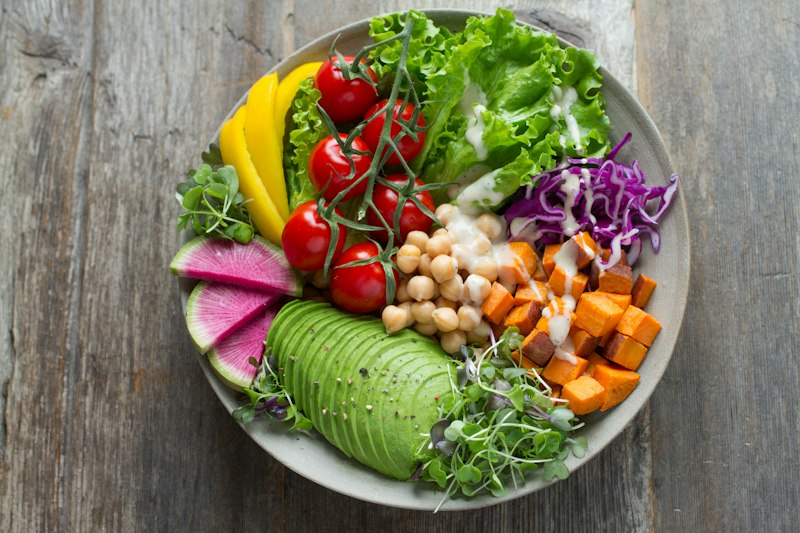
A diet rich in anti-inflammatory, whole foods may support cochlear health and reduce tinnitus triggers from processed foods.
The Elimination Diet Approach
Given the individual variation in dietary tinnitus triggers, the most reliable approach is systematic elimination and reintroduction — the same method used in food allergy and intolerance testing.
Phase 1: Baseline (1 week)
Eat normally while recording detailed food logs and tinnitus severity ratings (3 times daily, 0-10 scale). This establishes your typical pattern and baseline variability. Use Lushh's daily tracker to log consistently.
Phase 2: Elimination (2 weeks)
Remove the three major suspects simultaneously: reduce sodium to under 2,000mg/day, eliminate added sugars and high-glycemic foods, and avoid MSG and high-glutamate foods. Continue logging tinnitus severity. This phase reveals whether dietary changes affect your tinnitus at all.
Phase 3: Reintroduction (3 weeks)
Reintroduce one category per week while keeping the others eliminated:
- Week 1: Reintroduce sodium (add salty foods back)
- Week 2: Reintroduce sugar (add sweets and high-glycemic foods)
- Week 3: Reintroduce glutamate (add MSG-containing foods)
If tinnitus worsens during a specific reintroduction week, you have identified a likely trigger. If no changes occur during any phase, diet is probably not a significant factor for your tinnitus.
Running an elimination diet? Lushh's daily tracker lets you log food, tinnitus severity, and lifestyle factors side by side — building the data you need to find your real triggers.
Download Lushh — Free →Anti-Inflammatory Foods That May Help Tinnitus
While removing triggers is one side of the equation, adding protective foods is the other. Chronic inflammation in the cochlea and auditory pathway is increasingly recognized as a factor in tinnitus persistence. An anti-inflammatory dietary pattern may help address this.
Omega-3 fatty acids: A 2020 study in the American Journal of Audiology found that higher omega-3 intake was associated with lower tinnitus prevalence in a nationally representative US sample. Omega-3s reduce systemic inflammation and improve vascular function, including cochlear blood supply. Best sources: fatty fish (salmon, sardines, mackerel), walnuts, chia seeds, flaxseeds.
Magnesium: Magnesium has a well-established protective role in noise-induced hearing loss. A 1994 study in the American Journal of Otolaryngology demonstrated that magnesium supplementation during noise exposure significantly reduced permanent hearing threshold shifts. Magnesium may help tinnitus through glutamate regulation (it blocks NMDA receptors, reducing excitotoxicity) and through vasodilatory effects on cochlear blood vessels. Best sources: spinach, almonds, avocados, dark chocolate, pumpkin seeds.
Zinc: Zinc deficiency is associated with tinnitus in some populations, and supplementation studies have shown mixed results — with the most benefit seen in zinc-deficient individuals. A 2003 study in Otology & Neurotology found that zinc supplementation reduced tinnitus severity in 82% of elderly patients with zinc deficiency. Best sources: oysters, beef, pumpkin seeds, lentils.
Antioxidants (vitamins A, C, E, and polyphenols): Oxidative stress damages cochlear hair cells and is implicated in both hearing loss and tinnitus. Antioxidant-rich foods counteract this damage. Best sources: berries (blueberries, blackberries), leafy greens, citrus fruits, green tea.
The Mediterranean diet pattern: A 2022 observational study in Ear and Hearing found that adherence to a Mediterranean diet pattern — rich in vegetables, fruits, fish, olive oil, and whole grains, with limited processed foods and red meat — was associated with a 20% lower prevalence of bothersome tinnitus. While correlation does not prove causation, the Mediterranean diet represents the best-studied anti-inflammatory dietary pattern and addresses multiple tinnitus-relevant mechanisms simultaneously.
For a broader look at lifestyle factors, see our guide on tracking tinnitus triggers and how exercise affects tinnitus.
Frequently Asked Questions
Does salt make tinnitus worse?
High sodium intake can increase endolymphatic pressure in the inner ear, potentially worsening tinnitus — especially in people with Meniere's disease or endolymphatic hydrops. A low-sodium diet (under 2,000mg/day) is a standard first-line recommendation for Meniere's patients. For general tinnitus without Meniere's, the effect is less clear but some patients report improvement with sodium reduction.
Can sugar affect tinnitus?
Rapid blood sugar fluctuations can affect cochlear blood flow and neural excitability. The inner ear is highly sensitive to glucose levels — both hyperglycemia and hypoglycemia can alter hearing. Patients with diabetes or insulin resistance have higher rates of tinnitus, and stabilizing blood sugar through a low-glycemic diet may help reduce tinnitus variability.
Does MSG cause tinnitus?
MSG is an excitatory neurotransmitter agonist. Glutamate is the primary excitatory neurotransmitter in the auditory pathway, and excessive glutamate signaling has been linked to tinnitus in animal studies. Some people report tinnitus spikes after MSG-heavy meals, though controlled studies in humans are limited.
What foods help reduce tinnitus?
Anti-inflammatory foods rich in omega-3 fatty acids (salmon, sardines, walnuts), magnesium (spinach, almonds, dark chocolate), zinc (oysters, beef, pumpkin seeds), and antioxidants (berries, leafy greens) may support auditory health. A Mediterranean-style diet pattern has been associated with lower tinnitus prevalence in observational studies.
Find Your Dietary Triggers
Lushh's daily tracker lets you log food, tinnitus severity, and lifestyle factors together — revealing patterns you cannot see from memory alone. Plus sound therapy, notch filtering, and CBT exercises for daily relief.
Download Lushh — FreeDisclaimer: This article is for informational purposes only and does not constitute medical or nutritional advice. Do not make significant dietary changes without consulting your healthcare provider, especially if you have Meniere's disease, diabetes, or other medical conditions.