
Binaural beats are one of the most talked-about alternative approaches for tinnitus relief. YouTube videos with titles like "Cure Tinnitus with Binaural Beats" accumulate millions of views. But what does the actual science say? Is there a real neurological mechanism at work, or is this wishful thinking wrapped in pseudoscience?
The answer, as with most things in medicine, is nuanced. Binaural beats are a real auditory phenomenon with measurable effects on brain activity. Some research shows promise for tinnitus, particularly through anxiety reduction and sleep improvement. But the evidence is far more modest than the internet hype suggests, and binaural beats should not be your primary tinnitus management strategy. This article provides a thorough, honest review of what we know.
How Binaural Beats Work
A binaural beat is an auditory illusion created when two slightly different frequencies are presented to each ear simultaneously through headphones. For example, if a 400 Hz tone is played in the left ear and a 410 Hz tone in the right ear, the brain perceives a third tone — a rhythmic pulsation at 10 Hz (the difference between the two frequencies). This pulsation does not exist in the external sound; it is generated entirely within the brain at the level of the superior olivary complex in the brainstem.
The phenomenon was first described by Heinrich Wilhelm Dove in 1839, but serious scientific investigation began in the 1970s when Gerald Oster published a landmark paper in Scientific American proposing that binaural beats could be used as a diagnostic and therapeutic tool.
The Frequency Following Response (FFR)
The theoretical mechanism behind binaural beats therapy is the frequency following response — the tendency of brainwaves to synchronize with external rhythmic stimuli. The claim is that by exposing the brain to a binaural beat at a specific frequency, you can "entrain" brainwave activity to match that frequency, shifting the brain toward states associated with relaxation, sleep, or focused attention.
This mechanism is supported by EEG studies showing measurable changes in brainwave power following binaural beat exposure — though the magnitude of these changes and their clinical significance remain debated. A 2023 systematic review in Psychological Research found that binaural beats produce small but statistically significant changes in EEG activity, particularly in the alpha band (8-13 Hz).
For context on how binaural beats compare to other sound therapy approaches, see our complete guide to sound therapy for tinnitus.
Frequency Bands: Delta, Theta, Alpha, Beta, Gamma
Binaural beats are categorized by the frequency of the perceived beat, which corresponds to different brainwave bands:
Delta (1-4 Hz)
Associated with deep, dreamless sleep (NREM stages 3-4). Delta binaural beats are used for sleep induction and are the most relevant for tinnitus patients whose primary complaint is insomnia. To create a 3 Hz delta beat, you might present 200 Hz to the left ear and 203 Hz to the right ear.
Lushh includes therapeutic sound sessions designed for sleep, including options that incorporate low-frequency entrainment. Try sleep sounds free for 7 days →
Theta (4-8 Hz)
Associated with deep relaxation, meditation, and the hypnagogic state (the transition between wakefulness and sleep). Theta beats are used for stress reduction, meditation enhancement, and creative visualization. A 2017 study in Frontiers in Psychiatry found that theta binaural beats reduced self-reported anxiety in preoperative patients.
Alpha (8-13 Hz)
Associated with relaxed wakefulness, calm alertness, and reduced anxiety. Alpha is the brainwave band most studied in the context of tinnitus, because tinnitus distress is correlated with reduced alpha power in temporal brain regions. The hypothesis is that boosting alpha activity through binaural beats could directly counteract the neural signature of tinnitus distress.
Beta (13-30 Hz)
Associated with active thinking, focus, and alertness. Beta binaural beats are used for concentration enhancement and cognitive performance. Less relevant to tinnitus management, though some practitioners suggest beta beats for daytime focus when tinnitus is distracting.
Gamma (30-100 Hz)
Associated with higher cognitive function, learning, and sensory processing. Gamma beats have been studied in the context of attention disorders and consciousness research. Limited tinnitus-specific research exists, though one 2021 study explored gamma stimulation for auditory processing disorders with mixed results.
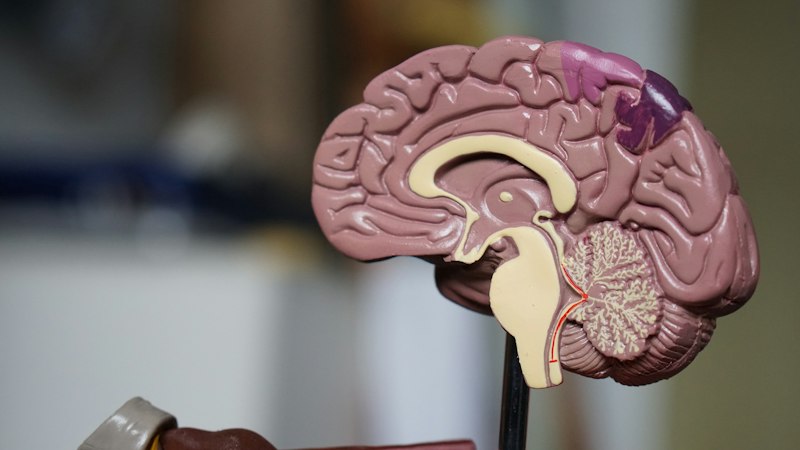
Binaural beats are hypothesized to influence brainwave patterns through the frequency following response, potentially shifting neural activity toward states associated with reduced tinnitus perception.
Tinnitus-Specific Research
The research on binaural beats specifically for tinnitus is small but growing. Here are the most relevant studies:
David et al. (2010) — Journal of the Association for Research in Otolaryngology
One of the earliest controlled studies. Twenty tinnitus patients listened to binaural beats matched to their tinnitus frequency for 20 minutes daily over 12 weeks. Results showed a modest but significant reduction in tinnitus loudness matching (average 3 dB reduction) and a reduction in THI scores. The study was small and unblinded, limiting its conclusions.
Munro & Bhatt (2019) — Hearing Research
A more rigorous study examining alpha-frequency (10 Hz) binaural beats in 40 tinnitus patients. Participants listened for 30 minutes through headphones in a controlled laboratory setting. Results showed a statistically significant reduction in self-reported tinnitus loudness immediately after the session compared to a control condition (pure tones without binaural beats). However, the effect was acute — it was not measured beyond the immediate post-session period, so it is unknown whether benefits accumulate over time.
Szibor et al. (2022) — International Journal of Audiology
A pilot study examining whether binaural beats could modulate auditory steady-state responses (ASSRs) in tinnitus patients. The study found altered neural responses during binaural beat exposure, suggesting that the beats do influence auditory processing. However, the clinical significance of these changes was unclear, and the sample size (n=18) was too small for definitive conclusions.
Meta-Analysis Landscape
As of 2026, no systematic review or meta-analysis has been published specifically on binaural beats for tinnitus. The existing evidence consists of small, heterogeneous studies with varied protocols. This stands in stark contrast to the robust evidence base for CBT (28+ RCTs in the Cochrane review) or notch therapy (multiple RCTs with neuroimaging confirmation).
Anxiety Reduction Evidence
While the direct tinnitus evidence is limited, binaural beats have a stronger evidence base for anxiety reduction — which is highly relevant to tinnitus management, since anxiety is one of the primary drivers of tinnitus distress.
A 2019 meta-analysis by Garcia-Argibay et al. in Psychological Research analyzed 22 studies on binaural beats and anxiety. The pooled effect size was small but significant (Hedges' g = -0.35, p < 0.001), indicating that binaural beats produce a modest anxiolytic effect. The effect was strongest with theta-frequency (4-8 Hz) and alpha-frequency (8-13 Hz) beats.
A 2020 study in the Journal of Clinical Psychology tested binaural beats against guided relaxation and a control condition in 120 participants with generalized anxiety. Both binaural beats and guided relaxation reduced state anxiety significantly compared to control, but the two active conditions did not differ from each other — suggesting that binaural beats may work partly through the relaxation context rather than the brainwave entrainment mechanism specifically.
For tinnitus patients, the practical implication is clear: binaural beats may help reduce the anxiety component of tinnitus distress, even if their direct effect on the tinnitus sound itself is uncertain. This makes them a potentially useful adjunct to — but not a replacement for — proven approaches like sound therapy and CBT.
Lushh combines proven sound therapy (65+ sounds), notch therapy, and CBT exercises for comprehensive tinnitus management.
Download Lushh — Free →Sleep Induction and Insomnia
Sleep disruption affects up to 77% of tinnitus patients, making sleep-focused applications of binaural beats particularly relevant.
A 2020 study in Hearing Research by Abtahi et al. examined delta-frequency (3 Hz) binaural beats in 30 tinnitus patients with sleep complaints. Participants listened for 30 minutes at bedtime for 4 weeks. Compared to a pink noise control group, the binaural beat group showed significantly reduced sleep onset latency (time to fall asleep) — an average reduction of 11 minutes. Subjective sleep quality also improved, though total sleep time did not significantly differ.
A larger 2018 study in Sleep Science (non-tinnitus population) found that theta/delta binaural beats reduced time in light sleep and increased time in deep sleep by approximately 12%, as measured by polysomnography. These changes are modest but potentially meaningful for tinnitus patients whose sleep architecture is disrupted by hyperarousal.
It is worth noting that the sleep benefits of binaural beats may overlap with those of other sound therapies. Research on pink noise for sleep has shown similar or larger effects on deep sleep enhancement, with a more robust evidence base.
How to Use Binaural Beats Properly
Equipment Requirements
Headphones are mandatory. Binaural beats require separate frequency delivery to each ear. Playing binaural beats through speakers mixes the two frequencies in the room, eliminating the binaural effect entirely. Over-ear headphones provide better frequency isolation than earbuds, though quality earbuds with good seal can also work.
Session Protocol
- Choose your frequency target: Alpha (10 Hz) for relaxation and tinnitus relief during the day. Delta (2-3 Hz) for sleep induction. Theta (6 Hz) for meditation and stress reduction.
- Set comfortable volume: Binaural beats should be played at a comfortable, moderate volume. The effect does not improve with louder volume. Many people embed binaural beats in ambient sound or pink noise for a more pleasant listening experience.
- Duration: 15-30 minutes per session is standard in research protocols. Some studies have used up to 60 minutes. Start with shorter sessions and extend as comfortable.
- Environment: Find a quiet, comfortable space. Close your eyes if using for relaxation or sleep. The benefits are greatest when you can relax without distraction.
- Consistency: Like other sound therapies, the potential benefits of binaural beats appear to accumulate with regular use. Daily sessions over several weeks are more likely to produce results than occasional use.
Carrier Frequency Selection
The carrier frequencies (the actual tones presented to each ear) also matter. Research suggests that carrier frequencies between 200-500 Hz produce the most reliable binaural perception. Frequencies above 1,000 Hz become less effective because the brain relies more on intensity differences rather than phase differences for high-frequency sound localization. For tinnitus, some protocols use carrier frequencies near (but not at) the tinnitus frequency to potentially enhance the therapeutic effect through auditory stimulation.
Safety Considerations and Warnings
Epilepsy Warning
Binaural beats should be avoided by individuals with epilepsy or a history of seizures. Rhythmic auditory stimulation can trigger seizures in photosensitive epilepsy, and while the risk from auditory stimulation alone is lower than from visual stimulation, it is not zero. Photic driving (brainwave entrainment) has been documented to trigger seizures, and the auditory equivalent carries a theoretical risk. Consult your neurologist before using binaural beats if you have any seizure disorder.
Other Safety Considerations
- Pacemakers: While no adverse events have been reported, individuals with pacemakers or other implanted electronic devices should consult their physician before using binaural beats, as any stimulation that alters autonomic nervous system activity warrants caution.
- Driving and operating machinery: Do not use binaural beats (especially delta or theta) while driving, operating heavy machinery, or performing tasks that require full alertness. They are designed to alter your state of consciousness.
- Volume: As with all headphone-based sound therapy, keep volume at safe levels (below 85 dB). Prolonged loud headphone use can damage hearing and worsen tinnitus.
- Mental health: Some individuals report unpleasant sensations (dizziness, disorientation, anxiety) during binaural beat sessions, particularly at theta and delta frequencies. If this occurs, stop the session and switch to a higher-frequency beat or a different sound therapy modality.
- Children: The developing auditory and nervous systems of children may respond differently to binaural beats. Use in children has not been well studied and is not recommended without medical guidance.

Headphones are mandatory for binaural beats. Over-ear models provide the best frequency isolation for effective brainwave entrainment.
The Honest Verdict
After reviewing the available evidence, here is our assessment of binaural beats for tinnitus:
What the science supports:
- Binaural beats are a real auditory phenomenon with measurable effects on brain activity.
- Alpha-frequency binaural beats (8-13 Hz) have the most evidence for reducing tinnitus-related distress, likely through anxiety reduction.
- Delta-frequency beats (1-4 Hz) may improve sleep onset in tinnitus patients.
- Binaural beats produce modest but consistent anxiolytic effects across multiple studies.
What the science does not support:
- "Curing" or permanently eliminating tinnitus through binaural beats.
- Binaural beats as a primary or standalone tinnitus treatment.
- Claims of dramatic or rapid tinnitus reduction from binaural beat exposure.
- Superiority of binaural beats over established sound therapy or CBT.
Our recommendation: Binaural beats are a reasonable complement to evidence-based tinnitus management. They are low-risk, low-cost, and may provide modest benefits for anxiety and sleep. However, they should not replace the three treatments with the strongest evidence: sound therapy, CBT, and notch therapy. Use them as part of a comprehensive program, not as a standalone solution.
For a complete comparison of all tinnitus treatments including evidence levels and costs, see our tinnitus treatment comparison guide.
Frequently Asked Questions
Do binaural beats actually help tinnitus?
The evidence is promising but limited. Several small studies have shown that binaural beats — particularly at alpha (10 Hz) and delta (2-4 Hz) frequencies — can reduce tinnitus loudness ratings, anxiety, and improve sleep onset. However, most studies have small sample sizes and the effects are modest compared to more established treatments like sound therapy and CBT. Binaural beats are best used as a complement to evidence-based tinnitus management.
Which binaural beat frequency is best for tinnitus?
Alpha-frequency binaural beats (8-13 Hz, typically 10 Hz) have the most evidence for tinnitus relief, likely through promoting relaxation and reducing anxiety. Delta-frequency beats (1-4 Hz) are best for sleep induction. Theta-frequency beats (4-8 Hz) may help with meditation and stress reduction.
Are binaural beats safe for everyone?
Binaural beats are safe for most people at comfortable listening volumes. However, they should be avoided by people with epilepsy or a history of seizures, as rhythmic auditory stimulation can potentially trigger seizures. People with pacemakers should consult their doctor before use. Do not use binaural beats while driving or operating machinery.
Do I need headphones for binaural beats?
Yes, headphones are absolutely required. Binaural beats work by presenting different frequencies to each ear. Playing binaural beats through speakers mixes the two frequencies together, eliminating the binaural effect entirely.
Evidence-Based Tinnitus Relief
Lushh includes 65+ therapeutic sounds, precision notch therapy, and guided CBT exercises — the treatments with the strongest research backing. Start your free trial today.
Download Lushh — FreeMedical Disclaimer: This article is for informational purposes only and does not constitute medical advice. Binaural beats are not FDA-approved for the treatment of tinnitus or any medical condition. The information presented is based on published peer-reviewed research but should not be used as a substitute for professional medical evaluation. If you have epilepsy, a seizure disorder, or any neurological condition, consult your physician before using binaural beats. Always consult a qualified healthcare provider for diagnosis and treatment of tinnitus.