
Flying is one of the most anxiety-inducing activities for people with tinnitus. The combination of sustained loud noise, pressure changes, dehydration, stress, and disrupted sleep creates a perfect storm of tinnitus aggravators packed into a metal tube at 35,000 feet. Online tinnitus forums are filled with horror stories: "My tinnitus spiked after a flight and never came back down." "I'm terrified of flying now."
But here is the reality: millions of people with tinnitus fly safely every year, and with the right preparation, you can too. The key is understanding exactly what about flying affects your ears and having specific strategies for each phase of the journey. This guide covers everything from pre-flight preparation to sleeping in a strange hotel room with ringing ears.
Cabin Noise Levels: The Hidden Threat
Most passengers do not realize how loud aircraft cabins actually are. The sound levels inside a commercial aircraft during cruise are not trivial:
- Takeoff: 95-105 dB (comparable to a power lawn mower)
- Cruise altitude: 80-85 dB (comparable to busy city traffic or a vacuum cleaner)
- Turboprop aircraft: 85-95 dB (significantly louder than jets)
- Seat location matters: Rear seats near engines measure 3-8 dB louder than front-of-cabin seats
The critical threshold for noise-induced hearing damage is generally accepted at 85 dB for prolonged exposure (8 hours, per NIOSH standards). A typical 3-6 hour flight at 80-85 dB is unlikely to cause permanent hearing damage in isolation. However, for people with existing tinnitus, this sustained noise exposure can temporarily spike symptoms, accelerate auditory fatigue, and increase distress -- even if it does not cause new permanent damage.
A 2018 study published in the Journal of the Acoustical Society of America measured cabin noise levels across 200 commercial flights and found that the average sustained noise exposure during a transcontinental flight was equivalent to 83 dB over the flight duration -- just below the NIOSH damage threshold but well within the range that causes temporary threshold shifts in susceptible individuals.
"Aircraft cabin noise represents an underappreciated occupational and passenger health hazard, particularly for individuals with pre-existing auditory conditions including tinnitus and hyperacusis." -- Zevitas et al., Journal of the Acoustical Society of America, 2018
For people with tinnitus, the practical takeaway is clear: hearing protection during flights is not optional -- it is essential. The good news is that modern active noise-cancelling technology makes this easier and more comfortable than ever.
Cabin Pressure Changes and Your Ears
Beyond noise, the other major concern for tinnitus sufferers is barotrauma -- injury or discomfort caused by pressure differences between the cabin environment and the middle ear.
Commercial aircraft cabins are pressurized to approximately 6,000-8,000 feet elevation equivalent, even when flying at 35,000-40,000 feet. This means that during ascent, the air pressure around you decreases (your middle ear expands), and during descent, it increases (your middle ear compresses). The Eustachian tube -- a narrow passage connecting your middle ear to the back of your throat -- must open to equalize this pressure difference.
Why this matters for tinnitus:
- Eustachian tube dysfunction is more common in people with tinnitus, particularly those with Meniere's disease, allergies, or chronic sinusitis. When the tube fails to equalize, pressure builds in the middle ear, causing pain, fullness, muffled hearing, and often a significant temporary increase in tinnitus.
- The "clogged ear" sensation after landing can persist for hours or days, and while it resolves in most people, the associated tinnitus spike can trigger anxiety that perpetuates the distress cycle.
- Flying with a cold, sinus infection, or active ear infection dramatically increases the risk of barotrauma. In severe cases, this can cause middle ear effusion (fluid buildup) or even tympanic membrane perforation -- both of which can worsen tinnitus significantly. This is why ENT specialists universally advise against flying with active upper respiratory infections when possible.
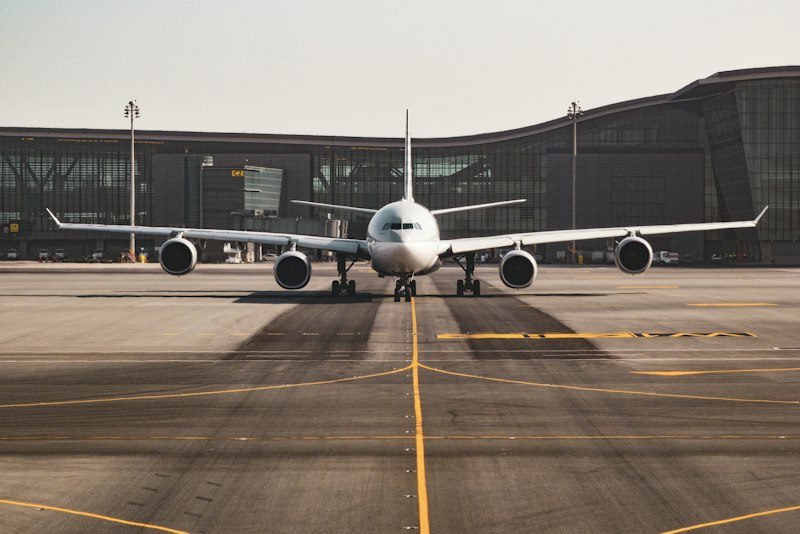
Active noise-cancelling headphones reduce cabin noise by 20-30 dB, bringing the sound environment to a much safer level for tinnitus-sensitive ears.
Ear Equalization Techniques
Mastering pressure equalization is the single most important skill for tinnitus sufferers who fly. These techniques should be practiced before your trip so they become second nature:
Valsalva Maneuver
Pinch your nostrils closed, close your mouth, and gently blow as if inflating a balloon. You should feel a soft "pop" or "click" as the Eustachian tube opens. Critical: Be gentle. Excessive force can damage the round window membrane of the inner ear, potentially causing a perilymph fistula -- which can worsen tinnitus and hearing. The pressure should be mild and sustained, not a forceful blast.
Toynbee Maneuver
Pinch your nostrils and swallow simultaneously. The swallowing action opens the Eustachian tube while the closed nose creates a slight negative pressure that pulls the tube open. Many ENTs prefer this technique over the Valsalva because it carries less risk of excessive pressure.
Frenzel Maneuver
With nostrils pinched, make a "K" or "guh" sound with the back of your tongue. This compresses air in the nasopharynx and forces the Eustachian tube open. This is the technique preferred by scuba divers and is highly effective for resistant tubes.
Passive Techniques
- Swallowing frequently: Each swallow briefly opens the Eustachian tube. Drink water throughout descent.
- Chewing gum: The jaw motion promotes Eustachian tube opening. Start chewing 10 minutes before descent.
- Yawning: Wide yawns engage the muscles that open the tube.
- EarPlanes or pressure-regulating earplugs: These filtered earplugs slow the rate of pressure change at the eardrum, giving the Eustachian tube more time to equalize naturally.
Timing is everything: Begin active equalization well before you feel pressure or discomfort. During descent, equalize every 30-60 seconds starting from when the captain announces the descent, not when your ears start hurting. Once the Eustachian tube locks closed from pressure differential, it becomes much harder to open.
ANC Headphones for Flying with Tinnitus
Active noise-cancelling headphones are arguably the single best investment a tinnitus sufferer can make for travel. Modern ANC headphones reduce ambient noise by 20-30 dB, bringing cabin noise from the 80-85 dB range down to 55-65 dB -- a comfortable, conversation-level volume.
What to look for:
- Over-ear design: Provides passive noise reduction (10-15 dB) plus active cancellation. Superior to in-ear for long flights due to comfort.
- Strong low-frequency cancellation: Aircraft engine drone is predominantly low-frequency (100-500 Hz). ANC is most effective in this range.
- Ambient/transparency mode: Allows you to hear announcements and conversation without removing the headphones.
- Battery life exceeding your flight duration: Running out of ANC mid-flight defeats the purpose.
- Comfort for extended wear: Ear cup pressure, headband weight, and breathability matter on long-haul flights.
For a comprehensive comparison, see our guide on best headphones for tinnitus. The top performers for flight use as of 2026 include the Apple AirPods Max 2, Sony WH-1000XM6, and Bose QuietComfort Ultra -- all delivering 25-30 dB noise reduction in the critical low-frequency aircraft range.
Pro tip for tinnitus sufferers: Play Lushh sound therapy through your ANC headphones at a low volume during the flight. The combination of noise cancellation plus gentle sound enrichment creates the ideal auditory environment -- external noise reduced, tinnitus masked, and your auditory system protected. Download Lushh before your next flight →
Download Lushh before your flight. Pre-load your favorite therapeutic sounds for offline playback -- no wifi needed at 35,000 feet.
Download Lushh -- Free →Pre-Flight Preparation Checklist
Preparation before the flight reduces both the physical risk and the anxiety that amplifies tinnitus perception. Complete this checklist 24-48 hours before departure:
- Check your ear health: If you have any cold symptoms, sinus congestion, or ear fullness, see your doctor about whether to fly. A nasal decongestant spray (oxymetazoline) or oral decongestant (pseudoephedrine) may be recommended 30 minutes before takeoff and again before descent.
- Pack your hearing protection: ANC headphones charged, backup foam earplugs in carry-on, optional EarPlanes for descent.
- Download offline content: Pre-load Lushh sound therapy sessions, podcasts, audiobooks, or music for the flight. Having immediate access to sound enrichment reduces anxiety.
- Hydrate aggressively: Dehydration thickens mucous membranes (making Eustachian tube equalization harder) and may increase neural excitability. Drink extra water the day before and during the flight. Avoid alcohol and excessive caffeine.
- Sleep well the night before: Sleep deprivation is one of the most reliable tinnitus aggravators. Prioritize a full night's rest before travel.
- Book your seat strategically: Forward cabin and window seats tend to be 3-5 dB quieter than rear and aisle seats. Avoid seats near engines (typically over or just behind the wings on jet aircraft).
- Plan for spike management: Have your go-to calming techniques ready -- breathing exercises, Lushh sounds, or a mindfulness meditation queued up.
Long-Haul Flight Strategies
Flights exceeding 6 hours present additional challenges: cumulative noise exposure, jet lag, dehydration, and the need to sleep in a noisy environment.
Noise management over time: Even with ANC headphones, your ears are processing sound for 8-14 hours straight. Take "silent breaks" -- remove the ANC headphones and insert foam earplugs for 30-60 minute periods. This gives the active circuitry a rest and provides maximum passive isolation. NRR 33 foam earplugs block approximately 33 dB when properly inserted.
In-flight sleep: Sleeping on a plane with tinnitus is challenging because the moment your attention drifts toward sleep, tinnitus becomes more noticeable against the engine drone. Strategy: use ANC headphones with Lushh playing a low-volume brown noise or rain sound. Set a sleep timer so the sound fades after you fall asleep, and ANC continues working passively. A neck pillow that supports the weight of over-ear headphones is worth the investment.
Hydration schedule: Aim for 200-250 ml of water every hour of flight time. Aircraft cabin humidity typically falls to 10-20% (compared to 30-65% in normal indoor environments), accelerating dehydration. Nasal saline spray every 2-3 hours keeps mucous membranes from drying out, which helps Eustachian tube function.
Movement: Walk the aisle every 2 hours. Gentle neck and jaw stretches reduce the muscular tension that can contribute to somatic tinnitus. Shoulder rolls, jaw drops, and cervical rotation take 60 seconds and help prevent the postural stiffness that long flights create.

Unfamiliar hotel rooms present unique sleep challenges for tinnitus sufferers -- but with the right tools, you can create a therapeutic sleep environment anywhere.
Hotel Sleep with Tinnitus
For many tinnitus sufferers, the hotel room is actually harder than the flight. An unfamiliar room, unpredictable noise levels, different bed, jet lag, and no access to your usual sleep setup create a challenging combination.
Essential travel sleep kit for tinnitus:
- Lushh on your phone: Your personalized sound therapy travels with you. Play through the phone speaker or a portable Bluetooth speaker positioned on the nightstand. Having your familiar therapeutic sounds in a strange room provides psychological comfort and physical masking. Try Lushh free →
- Portable white noise machine or Bluetooth speaker: A dedicated speaker provides fuller room coverage than a phone speaker.
- Sleep earplugs: Foam or silicone earplugs for environments where external noise (traffic, hallway, neighboring rooms) is the primary issue.
- Eye mask: Unfamiliar light cues disrupt circadian rhythm. Blocking light helps sleep quality regardless of tinnitus.
Hotel room strategies:
- Request a room away from elevators, ice machines, and street-facing windows
- Use the bathroom exhaust fan as emergency white noise if no other sound source is available
- Set the air conditioning to fan-continuous mode for steady background sound
- Maintain your bedtime routine as closely as possible -- same sounds, same sleep hygiene practices, same wind-down period
- If jet lag is significant (3+ time zones), use melatonin 0.3-0.5 mg at your destination bedtime to help reset your circadian clock
Your sleep sounds travel with you. Lushh works offline, so your tinnitus relief toolkit is always in your pocket -- hotel rooms, airports, anywhere.
Download Lushh -- Free →The final reassurance: flying with tinnitus is safe for the vast majority of sufferers. Temporary spikes during and after flights are common and almost always resolve within 24-72 hours. Permanent worsening from a single flight in a person with healthy ears (no active infection, no severe pressure equalization problems) is extremely rare. Do not let tinnitus ground you. With preparation, the right tools, and a calm approach, you can explore the world -- ringing and all.
Frequently Asked Questions
Can flying make tinnitus worse?
Flying can temporarily worsen tinnitus in some people due to cabin pressure changes, sustained noise exposure (80-85 dB), stress, fatigue, and dehydration. Most people report their tinnitus returns to baseline within 24-48 hours after landing. Permanent worsening from a single flight is rare but can occur if you fly with an active ear infection or severe congestion.
Should I wear earplugs on a plane if I have tinnitus?
Yes, hearing protection during flights is recommended for tinnitus sufferers. Active noise-cancelling (ANC) headphones are ideal because they reduce the sustained cabin noise (80-85 dB) without complete silence, which could make tinnitus more noticeable. Filtered earplugs like EarPlanes or Etymotic are good alternatives that also help equalize pressure.
How do I equalize ear pressure during takeoff and landing with tinnitus?
Use the Valsalva maneuver (pinch nose, gently blow), Toynbee maneuver (pinch nose, swallow), or simply swallow frequently, chew gum, or yawn widely. Start equalizing before descent begins -- do not wait until you feel pressure. If you have congestion, use a nasal decongestant spray 30 minutes before takeoff and again before descent. Never fly with an active ear infection.
How loud is an airplane cabin and is it dangerous for tinnitus?
Commercial aircraft cabins typically measure 80-85 dB during cruise, with peaks up to 105 dB during takeoff. While 85 dB is the threshold for hearing damage with prolonged exposure (8+ hours), a typical flight of 2-6 hours at 80-85 dB is unlikely to cause permanent damage. However, for tinnitus sufferers, this sustained noise can temporarily spike symptoms and cause fatigue. ANC headphones or earplugs are strongly recommended.
Travel with Tinnitus Relief in Your Pocket
Lushh gives you 65+ therapeutic sounds that work offline -- perfect for flights, hotels, and anywhere your travels take you. Sound therapy, frequency matching, and daily tracking, all in one app.
Download Lushh -- FreeDisclaimer: This article is for informational purposes only and does not constitute medical advice. If you have concerns about flying with tinnitus, hearing loss, or vestibular conditions, consult your ENT specialist or audiologist before travel.