
Japan presents a unique case study in tinnitus management: a rapidly aging population with high tinnitus prevalence, a universal healthcare system that integrates both Western and traditional medicine, a culture that simultaneously values technological innovation and holistic health practices, and world-class research institutions pushing the boundaries of auditory neuroscience.
An estimated 3 to 6 million Japanese people live with clinically significant tinnitus. Japan's approach to managing this condition is distinctive and offers lessons for the rest of the world, particularly in its integration of Kampo (traditional Japanese medicine) with evidence-based treatments under a single healthcare system.
Tinnitus Prevalence in Japan
Japan has one of the oldest populations in the world, with 29% of residents over age 65 as of 2025. Since tinnitus prevalence increases sharply with age (from 5% in those under 40 to over 25% in those over 70), Japan faces a disproportionately large tinnitus burden.
A nationwide survey by the Japan Audiological Society (2019) estimated that 10-15% of Japanese adults experience tinnitus at some point, with 3-5% reporting chronic bothersome tinnitus. The Niigata Study, a population-based longitudinal study of hearing disorders, found a prevalence of 11.9% in adults over 40, rising to 18.6% in those over 70.
Gender distribution shows a slight male predominance (12.8% vs 11.2%), attributed to higher occupational and recreational noise exposure. However, the gap is narrowing as recreational noise from headphones and earbuds increases among younger women.
NHI Coverage and Treatment Access
Japan's National Health Insurance (NHI) system provides universal coverage and includes tinnitus-related services. The pathway for tinnitus patients typically begins with a visit to an otorhinolaryngologist (jibiinkoka), who conducts audiometric testing and tinnitus assessment. The patient copay is typically 30% of the total cost.
NHI covers:
- ENT consultations and audiometry: Fully covered with standard copay. Japan has a relatively high density of ENT specialists (approximately 1 per 11,000 population)
- Kampo prescriptions: 148 Kampo formulations are approved for NHI coverage, including several indicated for tinnitus and related symptoms
- Pharmaceutical treatments: Medications like Adenosine triphosphate (ATP) and vitamin B12 (Mecobalamin) are commonly prescribed and NHI-covered, though their evidence for tinnitus is limited
- TRT counseling: Partially covered when conducted by certified clinicians
- Hearing aids: Partially subsidized under NHI and disability support programs
However, NHI does not cover sound therapy apps or specialized tinnitus devices like Lenire, creating a gap between available technology and accessible treatment.
Kampo: Traditional Japanese Medicine
Kampo is Japan's adaptation of traditional Chinese medicine (TCM), refined over 1,500 years into a distinctly Japanese system. Unlike many countries where traditional medicine exists outside the mainstream healthcare system, Kampo is fully integrated into Japanese medical practice. Approximately 90% of Japanese physicians prescribe Kampo medicines, and 148 standardized Kampo formulations are covered by NHI.
Common Kampo formulations prescribed for tinnitus:
- Gosyajinkigan (Niuche Dihuang Wan): The most commonly prescribed Kampo for age-related tinnitus. Contains rehmannia, cornus, dioscorea, and other herbs. Used for tinnitus associated with kidney yin deficiency (Kampo classification), which manifests as age-related hearing loss, tinnitus, lower back pain, and fatigue. A 2018 study in Auris Nasus Larynx showed modest improvement in THI scores versus placebo in elderly patients
- Chotosan: Prescribed for tinnitus with accompanying hypertension and dizziness. Contains uncaria rhynchophylla and other herbs with demonstrated vasodilatory properties
- Tokishakuyakusan: Used for tinnitus in women, particularly when associated with menstrual irregularity or menopausal symptoms. Contains peony, angelica, and atractylodes
- Saikokeishikankyoto: Prescribed for stress-related tinnitus with accompanying anxiety and autonomic symptoms

Kampo formulations are fully integrated into Japan's NHI system and prescribed by 90% of Japanese physicians.
TRT Adoption in Japan
Tinnitus Retraining Therapy (TRT) was introduced to Japan in the early 2000s and has gained significant traction, particularly at university hospitals. The Japanese TRT approach has been adapted to incorporate Japanese communication styles, with emphasis on detailed, written explanations of the neurophysiological model (reflecting Japanese patients' preference for thorough medical information).
Several Japanese centers have published TRT outcome data showing results comparable to or better than Western studies. A 2020 study from Keio University Hospital reported that 72% of TRT patients achieved clinically meaningful improvement at 18 months, with particularly strong results in patients who combined TRT with sound therapy and Kampo treatment.
Sound therapy is the core of TRT. Lushh provides the sound therapy component with 65+ therapeutic sounds, frequency matching, and notch filtering. Use alongside your ENT care.
Try Sound Therapy Free →Noise Sources: Pachinko, Karaoke, and Urban Life
Japan has unique recreational and environmental noise sources that contribute to tinnitus prevalence:
Pachinko Parlors
Japan's 8,000+ pachinko parlors generate sustained noise levels of 85-95 dB, well above the safe threshold for extended exposure. A 2019 study in the Journal of Occupational Health found that pachinko employees had 3.2 times the rate of noise-induced hearing loss compared to age-matched controls, with 28% reporting chronic tinnitus. Regular patrons (visiting 3+ times per week) also showed elevated risk.
Karaoke
Karaoke rooms, while culturally beloved, can reach 90-100 dB, particularly when alcohol is involved. A survey of 500 university students in Tokyo found that 15% reported temporary tinnitus after karaoke sessions, and 3% reported persistent tinnitus they attributed to repeated karaoke exposure.
Urban Transit
Tokyo's rush-hour trains produce 80-85 dB sustained noise, and the use of noise-isolating earphones at high volume to compensate adds to the cochlear stress. The Japanese Ministry of Health has published guidelines recommending maximum headphone use of 60 minutes per day at 60% volume.
Research from Keio and Tokyo University
Japanese academic institutions are at the forefront of tinnitus research:
- Keio University: Dr. Ogawa's group has published extensively on tinnitus neuroimaging, demonstrating altered connectivity in the default mode network and salience network in chronic tinnitus patients using fMRI. Their work on induced pluripotent stem cells (iPSCs) for cochlear hair cell regeneration is among the most advanced globally
- University of Tokyo: Research on the molecular mechanisms of noise-induced hearing loss and tinnitus, with focus on oxidative stress pathways and potential neuroprotective agents
- Niigata University: The longitudinal Niigata Hearing Study provides some of the best population-level data on tinnitus natural history in an aging population
- National Institute for Physiological Sciences (NIPS): Advanced neuroimaging research using magnetoencephalography (MEG) to map tinnitus-related brain activity with millisecond temporal resolution
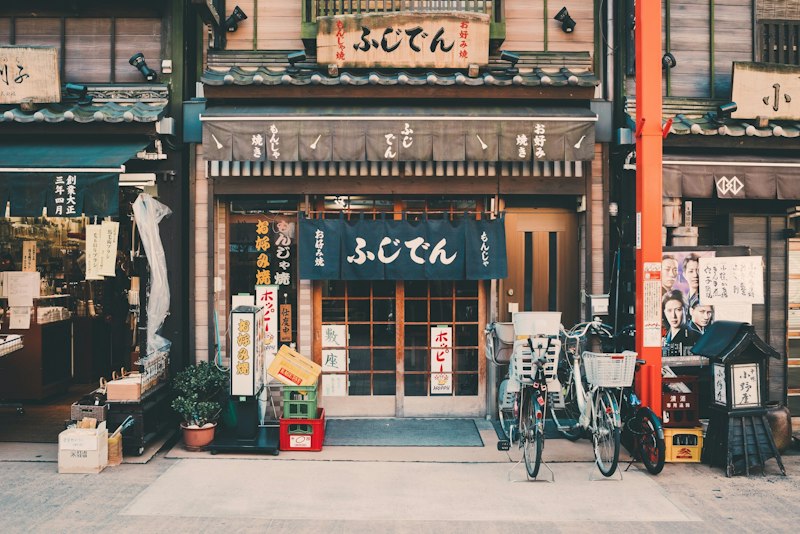
Japan's world-class research institutions are advancing tinnitus neuroscience and regenerative medicine.
Cultural Perspectives on Disability
Japanese cultural attitudes toward disability and chronic conditions influence how tinnitus is experienced and managed. The concept of gaman (enduring with patience and dignity) is deeply embedded in Japanese culture and can lead to underreporting of tinnitus distress. Patients may minimize symptoms during medical consultations, viewing vocal complaints as inappropriate or burdensome.
Additionally, the Japanese workplace culture's emphasis on presenteeism (being present and productive regardless of health) means many workers with bothersome tinnitus do not seek accommodations or treatment, fearing it would be perceived as weakness. A 2021 survey by the Japan Tinnitus Association found that only 35% of respondents with significant tinnitus had discussed it with their employer.
The concept of meiwaku (not causing trouble for others) can also prevent patients from seeking help, as they may view their tinnitus as a personal problem that should not burden the healthcare system or their families.
These cultural factors make self-management tools particularly valuable in Japan. An app-based approach allows patients to manage tinnitus privately, at their own pace, without the social barriers of seeking formal help. CBT-based exercises and mindfulness techniques delivered through an app like Lushh align well with Japanese preferences for discrete, technology-enabled health management. Try Lushh free →
Private, evidence-based tinnitus management on your phone. Lushh provides sound therapy, CBT, and tracking without requiring formal appointments or disclosure.
Download Lushh Free →Frequently Asked Questions
How common is tinnitus in Japan?
Tinnitus affects 10-15% of Japanese adults, with 3-5% experiencing chronic bothersome tinnitus (3-6 million people). Japan's aging population (29% over 65) means prevalence rates are among the highest globally.
Does Japanese health insurance cover tinnitus treatment?
Japan's NHI covers ENT consultations, audiometry, Kampo prescriptions, some medications, and partial TRT. Hearing aids receive partial subsidy. Specialized devices and apps are typically not covered.
What is Kampo treatment for tinnitus?
Kampo is Japan's traditional medicine system, integrated into NHI. Common tinnitus formulations include Gosyajinkigan (age-related tinnitus), Chotosan (tinnitus with hypertension), and Tokishakuyakusan (tinnitus in women). Clinical evidence is growing but limited.
Evidence-Based Management for Japan
Complement your NHI-covered care with daily sound therapy management. Lushh provides 65+ therapeutic sounds, notch therapy, CBT exercises, and tracking to use alongside Kampo and TRT.
Download Lushh — FreeDisclaimer: This article is for informational purposes only and does not constitute medical advice. Kampo medicines should be prescribed by qualified practitioners. Always consult your healthcare provider for diagnosis and treatment of tinnitus or any medical condition.