
Tinnitus is not an adult-only condition. Research consistently shows that 12% to 36% of children and teenagers experience tinnitus when specifically asked about it, yet the condition is dramatically underdiagnosed in pediatric populations. The reason is straightforward: children often assume that hearing sounds in silence is normal. They have no reference point for what hearing "should" sound like, so they rarely mention it unless directly questioned.
For parents, this creates a difficult situation. Your child may be struggling with concentration, sleep, or anxiety caused by tinnitus — and you might never know unless you ask the right questions. This guide provides evidence-based information to help parents recognize, understand, and manage tinnitus in children and teenagers.
How Common Is Tinnitus in Children?
The prevalence of pediatric tinnitus varies widely across studies, primarily because of how the question is asked and who is studied. A comprehensive review published in the International Journal of Pediatric Otorhinolaryngology (2019) synthesized data from 29 studies and found:
- General pediatric population (normal hearing): 12-15% report tinnitus when specifically asked
- Children with hearing loss: 23-62% report tinnitus, depending on the degree and type of hearing loss
- Children after noise exposure events (concerts, fireworks): Up to 28% report temporary tinnitus
- Children with chronic otitis media (middle ear infections): 30-50% report tinnitus during active infection
- Spontaneous reporting rate (without being asked): Only 2-3% of children with tinnitus volunteer the information
This massive gap between spontaneous reporting (2-3%) and prompted reporting (12-36%) is the central challenge of pediatric tinnitus. A landmark study by Mills and Cherry (1984) demonstrated that when children in a normal school population were asked "Do you ever hear noises in your head or ears?", 29% answered yes. When the same children were asked to describe the sound, most gave detailed descriptions consistent with tinnitus — ringing, buzzing, humming, or whooshing.
More recent work by Baguley et al. (2013) confirmed these findings, noting that prevalence increases with age through childhood, peaking in adolescence as recreational noise exposure increases.
Causes of Pediatric Tinnitus
The causes of tinnitus in children overlap significantly with adult causes but include several pediatric-specific factors. Understanding these helps parents identify risk factors and potential triggers.
Sound therapy can be a gentle, non-invasive support tool for children with tinnitus. Explore Lushh's calming sounds →
Common Causes
- Noise exposure — the leading preventable cause. Personal audio devices, concerts, sporting events, and recreational firearms are the primary culprits
- Otitis media (middle ear infections) — extremely common in children under 8. Chronic or recurrent infections can cause temporary or persistent tinnitus
- Earwax (cerumen) impaction — particularly common in children who use earbuds, which can push wax deeper into the canal
- Upper respiratory infections — congestion and Eustachian tube dysfunction can trigger temporary tinnitus
- Head injury or concussion — post-traumatic tinnitus is common in children and teenagers, especially athletes in contact sports
- Ototoxic medications — certain antibiotics (aminoglycosides), chemotherapy agents, and even high-dose aspirin or ibuprofen can cause tinnitus
Less Common Causes
- Congenital hearing loss — children born with sensorineural hearing loss frequently develop tinnitus
- TMJ dysfunction — increasingly common in teenagers due to stress-related jaw clenching and bruxism
- Meniere's disease — rare in children but documented in pediatric literature
- Anxiety and stress disorders — can amplify tinnitus perception or lower the threshold for noticing it
- Iron deficiency anemia — associated with pulsatile tinnitus in children through altered blood flow dynamics

Personal audio device use is the leading preventable cause of tinnitus in teenagers, with the WHO estimating 1.1 billion young people at risk globally.
The Headphone and Earphone Epidemic
The rise of personal audio devices represents the single largest preventable risk factor for tinnitus in young people. The numbers are alarming.
The World Health Organization (WHO) published a comprehensive report estimating that 1.1 billion teenagers and young adults worldwide are at risk of hearing damage from unsafe listening practices. Their Make Listening Safe initiative identified two primary risk factors:
- Volume: Many personal audio devices can produce output levels of 100-110 dBA — equivalent to standing next to a chainsaw. The safe limit for sustained listening is 85 dBA.
- Duration: Even at moderate volumes, cumulative listening time matters. The WHO recommends limiting personal audio device use to 60 minutes per day at no more than 60% of maximum volume (the "60/60 rule").
Research from the National Institute on Deafness and Other Communication Disorders (NIDCD) found that the prevalence of hearing loss in adolescents aged 12-19 increased by 31% between 1988-1994 and 2005-2006 in the United States, a period coinciding with the mass adoption of portable music players.
In-Ear vs. Over-Ear: Risk Differences
Not all headphones carry equal risk:
- In-ear earbuds (like Apple EarPods) deliver sound directly into the ear canal, increasing effective volume by 7-9 dB compared to over-ear headphones at the same device setting. This is equivalent to roughly doubling the perceived loudness.
- Over-ear headphones generally produce lower effective volumes and provide some passive noise isolation, reducing the need to turn up volume in noisy environments.
- Noise-canceling headphones are the safest option for young listeners because they reduce background noise without increasing audio volume, allowing comfortable listening at lower levels.
WHO Safe Listening Guidelines for Children
The WHO recommends:
- Maximum 85 dBA for no more than 1 hour per day
- Volume-limiting features activated on all children's devices (many smartphones have this built in)
- Regular "quiet breaks" — 5-10 minutes of silence for every 30-60 minutes of listening
- Over-ear or noise-canceling headphones preferred over in-ear earbuds
- No headphone use in environments where the child needs to hear safety warnings (near traffic, on bicycles)
Signs Your Child May Have Tinnitus
Children, especially younger ones, rarely use the word "tinnitus" or even "ringing." They may not realize their experience is unusual. Parents should watch for these behavioral indicators:
- Difficulty falling asleep — requesting background noise, a fan, or TV/music to fall asleep. This is often the most obvious early sign.
- Concentration problems in quiet settings — particularly in classrooms, libraries, or during tests. The child may seem distracted or fidgety specifically when the environment is silent.
- Covering ears in silence — some children press their hands over their ears when it's quiet, trying to block or change the internal sound.
- Describing "funny sounds" — children may mention buzzing, humming, ringing, or "bees in my ears" without understanding what it means.
- Irritability or anxiety in quiet rooms — avoidance of silence, preference for always having background sound.
- Frequent ear touching or rubbing — especially in younger children who cannot articulate auditory sensations.
- Asking "Do you hear that?" in quiet environments — children testing whether the sound they hear is real or internal.
- Declining academic performance — particularly in reading, listening comprehension, and test-taking where silence is required.
"The most important thing a parent can do is ask directly. A simple question — 'Do you ever hear sounds in your ears or head when it's very quiet?' — can reveal tinnitus that a child has lived with for years without mentioning." — British Tinnitus Association pediatric guidance
Lushh's gentle nature sounds and pink noise can provide immediate sound enrichment for children struggling with tinnitus at bedtime.
Download Lushh — Free →Pediatric Assessment Challenges
Assessing tinnitus in children presents unique challenges that differ significantly from adult evaluation. Understanding these helps parents prepare for medical appointments and advocate effectively for their child.
Communication Barriers
Children under 7-8 years old typically lack the vocabulary and self-awareness to describe tinnitus accurately. Pediatric audiologists use age-appropriate tools:
- Visual analog scales — children point to faces (happy to sad) or mark a line to indicate severity
- Color-matching — associating tinnitus loudness with colors (e.g., blue = quiet, red = very loud)
- Drawing exercises — asking children to draw what their tinnitus "looks like" provides insight into their perception
- Pitch matching with sounds — playing different tones and asking "Does your sound sound like this?"
Standardized Assessment Tools
Several validated instruments exist for pediatric tinnitus:
- Tinnitus Handicap Questionnaire for Children (THQ-C) — adapted from the adult THI for children aged 6-16
- Pediatric Tinnitus Severity Scale — simplified severity rating developed for clinical use
- Parent-report questionnaires — capturing parental observations of behavioral changes
The Clinical Pathway
A thorough pediatric tinnitus evaluation should include:
- Comprehensive audiological assessment — pure tone audiometry, tympanometry, OAE testing
- Medical examination — otoscopy, assessment for middle ear disease, neurological screening
- Tinnitus characterization — pitch and loudness matching when age-appropriate
- Psychological screening — assessment for anxiety, depression, attention difficulties, and sleep disturbance
- Quality of life assessment — impact on school, social activities, and family life
Impact on School Performance
Tinnitus can significantly affect a child's educational experience, particularly in ways that may be misattributed to other causes like ADHD, behavioral problems, or learning disabilities.
Academic Effects
- Listening comprehension: Tinnitus competes with the teacher's voice for auditory attention, particularly problematic in quiet classrooms or during dictation
- Reading concentration: Silent reading requires sustained attention that tinnitus directly disrupts
- Exam performance: Quiet exam conditions make tinnitus more noticeable, increasing distress and reducing cognitive bandwidth
- Language learning: Distinguishing similar phonemes is harder with tinnitus, affecting foreign language acquisition
Social and Emotional Effects
- Social isolation: Children may avoid quiet social situations or feel "different" from peers
- Anxiety: Worry about the sound, fear it means something is wrong, or anxiety about exams in quiet rooms
- Sleep deprivation: Tinnitus-sleep disruption leads to daytime tiredness, affecting school performance and behavior
- Frustration and behavioral issues: Young children who cannot articulate tinnitus may act out
Accommodation Requests
Parents can request classroom accommodations for children with diagnosed tinnitus:
- Preferential seating near the teacher
- Permission to use low-level background sound during independent work (via a personal device with one earbud)
- Extra time on exams or a separate, non-silent room for testing
- Written instructions alongside verbal ones
- Regular check-ins with the school nurse or counselor
- In the US, a 504 Plan or IEP accommodation for tinnitus-related educational impact. In the UK, similar provisions exist under the Equality Act 2010.
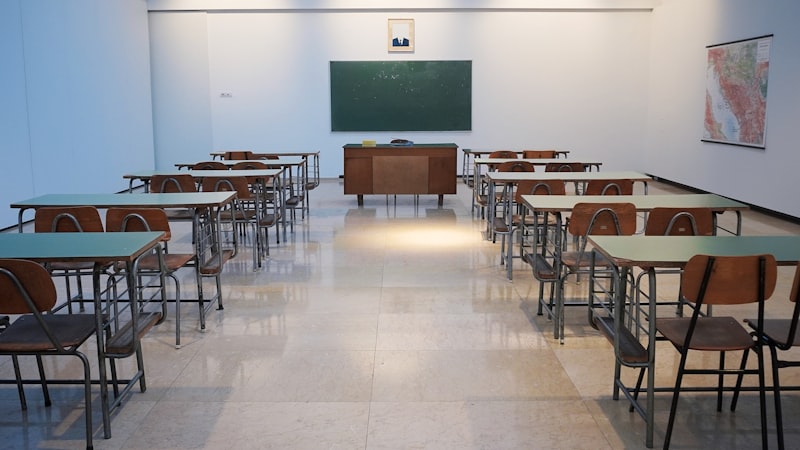
Quiet classroom environments can make tinnitus more noticeable, affecting concentration and academic performance. Accommodations can help significantly.
Management Strategies for Parents
Immediate Steps
- Validate the experience — tell your child that what they hear is real, that you believe them, and that it is a common condition. Many children fear they are "going crazy" or that something is seriously wrong.
- Reduce silence at bedtime — use gentle background sound for sleep. Nature sounds like rain, ocean waves, or soft pink noise are typically well-tolerated by children. Apps like Lushh provide safe, calibrated sound options.
- Enforce the 60/60 rule — maximum 60% volume for 60 minutes on personal audio devices. Activate volume-limiting features on all family devices.
- Book a hearing assessment — request a comprehensive evaluation from a pediatric audiologist, not just a school hearing screening.
- Check for simple causes — earwax, active ear infections, and congestion are treatable causes that can resolve tinnitus quickly.
Ongoing Management
- Sound enrichment — maintain low-level background sound in the child's environment, particularly during homework, study, and sleep. The goal is to reduce the contrast between tinnitus and environmental sound.
- Education — help your child understand what tinnitus is in age-appropriate terms. "Your brain is hearing its own sound because the hearing part is extra sensitive" works for younger children. Older teenagers can understand the neuroscience behind tinnitus.
- Hearing protection — provide custom-molded or high-quality foam earplugs for concerts, sporting events, and any environment above 85 dB. For musicians, see our guide on the best earplugs for concerts.
- Monitor emotional wellbeing — watch for signs of anxiety or depression related to tinnitus. The tinnitus-anxiety connection is well-documented and may require professional support.
- Annual audiometric monitoring — even if initial testing is normal, annual hearing tests help track any changes over time.
When to Seek Specialist Help
Consult a pediatric ENT or audiologist promptly if:
- Tinnitus is unilateral (one ear only) — this warrants investigation for structural causes
- Tinnitus is pulsatile (beating with the heartbeat) — may indicate a vascular anomaly
- Hearing loss is detected or suspected
- Tinnitus is causing significant distress, sleep disruption, or school avoidance
- The child has a history of ototoxic medication exposure
- Tinnitus follows a head injury or concussion
Frequently Asked Questions
How common is tinnitus in children?
Research shows 12-36% of children report tinnitus when directly asked. Among children with normal hearing, about 12-15% report it. Among those with hearing loss, 23-62% report tinnitus. Most children do not spontaneously mention tinnitus unless specifically questioned about it.
Can headphones cause permanent tinnitus in teenagers?
Yes. The WHO estimates 1.1 billion young people are at risk from unsafe listening. Volumes above 85 dB for extended periods cause cumulative hair cell damage, which can result in permanent tinnitus. Many consumer headphones reach 100-110 dB. Noise-canceling headphones and the 60/60 rule (60% volume, 60 minutes) are the best prevention strategies.
How do I know if my child has tinnitus?
Watch for difficulty falling asleep, needing background sound, trouble concentrating in quiet rooms, covering ears in silence, describing "funny sounds," or irritability in quiet settings. The most effective approach is to directly ask: "Do you ever hear sounds in your ears or head when it's very quiet?"
Should I take my child to see a doctor for tinnitus?
Always. While tinnitus in children is often benign, it can indicate treatable conditions like middle ear infections, earwax impaction, or hearing loss. A pediatric audiologist and ENT specialist can properly evaluate the cause and provide appropriate management strategies tailored to your child's age.
Gentle Sound Therapy for Your Child
Lushh offers 65+ calming sounds including nature soundscapes and pink noise — perfect for bedtime sound enrichment. Timer-controlled, volume-calibrated, and safe for young listeners.
Download Lushh — FreeDisclaimer: This article is for informational purposes only and does not constitute medical advice. Always consult a pediatric healthcare provider for diagnosis and treatment of tinnitus or any medical condition in children. If your child experiences sudden hearing loss or severe tinnitus, seek urgent medical attention.