
The tinnitus treatment landscape has shifted dramatically in the past decade. What was once limited to hearing aids and in-person therapy now includes sophisticated smartphone apps that deliver clinically-validated sound therapy, cognitive behavioral therapy, and personalized frequency matching directly to your ears. But this expanded choice creates confusion: when is a tinnitus app sufficient, when do you actually need hearing aids, and when should you use both?
This article provides a clear, evidence-based decision framework. The answer depends primarily on one factor: whether you have hearing loss alongside your tinnitus.
The Key Question: Do You Have Hearing Loss?
The single most important factor in deciding between apps and hearing aids is the presence and severity of hearing loss. This is because hearing aids address tinnitus through two fundamentally different mechanisms than apps:
- Amplification: Hearing aids restore environmental sound input to frequency regions where hearing has been lost. This reduces central auditory gain — the brain's internal volume control that amplifies tinnitus in quiet. Apps cannot amplify real-world sound.
- Speech perception: Hearing aids improve speech understanding, reducing the cognitive strain and social isolation that worsen tinnitus distress. Apps provide sound therapy but do not help you hear conversations better.
If your hearing is normal (thresholds below 20 dB HL across all tested frequencies), the amplification benefit of hearing aids is absent — apps can provide everything you need. If you have moderate-to-severe hearing loss, hearing aids are likely essential and apps become a valuable supplement. The gray area is mild hearing loss (20-40 dB HL), where the decision depends on individual factors. Take the iOS hearing test with AirPods Pro for a clinical-grade screening.
What Tinnitus Apps Do Well
Modern tinnitus apps — particularly clinical-grade ones like Lushh — offer several features that hearing aids either lack or implement less effectively:
- Sound therapy variety: Lushh offers 65+ therapeutic sounds (nature, noise colors, ambient environments) compared to the 5-10 built-in sounds in most hearing aids
- Notch therapy: Apps like Lushh include precise frequency matching (100-16,000 Hz) and one-click notched sound generation. While Signia hearing aids offer integrated notch therapy, most hearing aid brands do not.
- CBT exercises: Structured cognitive behavioral therapy programs for tinnitus are built into apps but not into hearing aids
- Daily tracking: Apps provide daily severity logging, trigger tracking, and PDF report generation for doctors. Hearing aids do not track tinnitus subjectively.
- Sleep-specific features: Timer-based sound therapy for falling asleep with tinnitus
- Accessibility: Available immediately for free or low cost. No appointment, no fitting, no waiting list.
- Updates: App features improve continuously through software updates
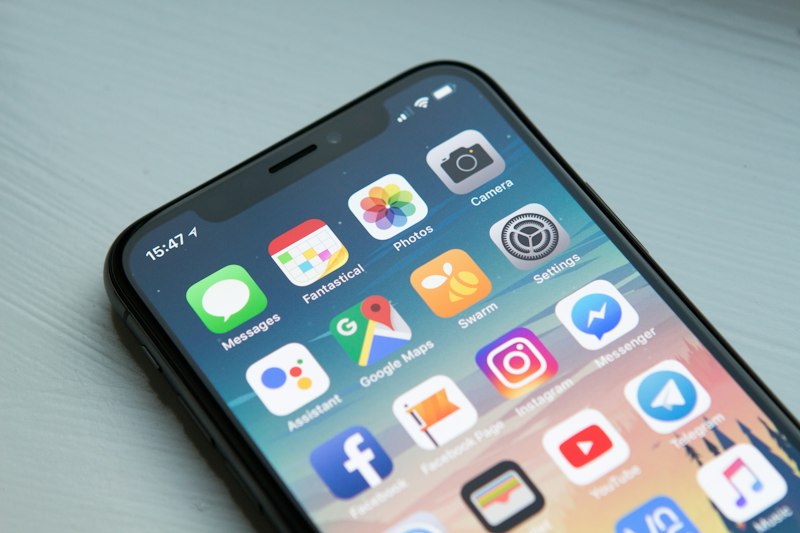
Tinnitus apps provide sophisticated sound therapy, CBT, and tracking that complement or replace hearing aid tinnitus features.
What Hearing Aids Do Well
Hearing aids provide critical functions that no app can replicate:
- Sound amplification: Restores environmental sound input, reducing central auditory gain and naturally masking tinnitus
- Speech perception: Directional microphones and noise reduction algorithms improve speech understanding in noisy environments
- All-day passive benefit: Once fitted, hearing aids work continuously without requiring active engagement — unlike apps where you must choose to start a session
- Invisible form factor: Modern hearing aids are nearly invisible. Some people are uncomfortable wearing headphones/earbuds all day for app-based therapy
- Professional support: Audiologist fitting includes counseling, audiometry, and follow-up care
- Manufacturer tinnitus programs: Dedicated tinnitus features from Signia, Widex, Phonak and others
Feature Comparison
Here is how apps and hearing aids compare across key tinnitus management features:
- Sound masking: Apps: Excellent (65+ sounds in Lushh). Hearing aids: Good (5-10 built-in + streaming from apps)
- Notch therapy: Apps: Excellent (Lushh, others). Hearing aids: Limited (Signia only as integrated; others require streaming from apps)
- CBT: Apps: Available. Hearing aids: Not available
- Amplification: Apps: Not available. Hearing aids: Excellent
- Daily tracking: Apps: Yes (with PDF reports). Hearing aids: No
- Sleep therapy: Apps: Yes (with timers). Hearing aids: No (not worn during sleep)
- Cost: Apps: Free-$50/year. Hearing aids: $800-$7,000
- Accessibility: Apps: Immediate. Hearing aids: Requires appointment (prescription) or self-fitting (OTC)
Start with clinically-validated sound therapy today. Lushh offers notch therapy, 65+ sounds, CBT exercises, and daily tracking — free to try.
Download Lushh — Free →Cost Analysis
The financial difference is substantial:
- Lushh app: Free download, premium features $3-5/month or ~$30-50/year
- OTC hearing aids with tinnitus features: $800-$1,600 one-time
- Prescription hearing aids: $3,000-$7,000 per pair, replaced every 3-5 years
- Combination (app + OTC aids): $850-$1,650 — often the best value for mild hearing loss + tinnitus
Insurance coverage for hearing aids varies. Medicare does not cover hearing aids. VA benefits cover aids for eligible veterans. No insurance covers tinnitus app subscriptions, but the cost is negligible compared to other tinnitus treatments.
The Combination Approach: Best Evidence
The best clinical outcomes come from combining hearing aids with structured sound therapy and CBT — exactly what the app + hearing aid combination provides. A 2015 VA study by Henry et al. found that veterans receiving both amplification and Progressive Tinnitus Management (which includes sound therapy and cognitive exercises) had significantly better outcomes than those receiving either intervention alone.
The practical workflow:
- Hearing aids during the day for amplification, speech, and passive tinnitus reduction
- Lushh streaming through hearing aids for active notch therapy and enhanced masking when needed
- Lushh for sleep (through pillow speaker or sleep headphones) — hearing aids are removed at night
- Lushh CBT exercises for psychological resilience and cognitive restructuring
- Lushh daily tracker for monitoring progress and generating reports for your audiologist
Decision Framework
Use Apps Alone If:
- Your hearing is normal on audiometry
- Your tinnitus is primarily bothersome at night or in quiet environments
- You are early in your tinnitus journey (first 6 months)
- Cost is a significant barrier to hearing aid acquisition
- Your THI score is mild to moderate (below 56)
Use Hearing Aids (with Apps) If:
- You have measurable hearing loss on audiometry
- You struggle to understand speech, especially in noise
- Your tinnitus is severe and persistent throughout the day
- Sound therapy apps alone have not provided sufficient relief after 3+ months of consistent use
- You also have hyperacusis requiring professional management
Start with Apps, Consider Aids Later If:
- You have mild hearing loss (20-40 dB HL)
- You are unsure whether hearing aids would help
- You want to establish baseline tracking before audiological consultation
- You are exploring treatment options and want to start immediately

The decision between apps and hearing aids depends primarily on hearing loss status, tinnitus severity, and budget.
Frequently Asked Questions
Can a tinnitus app replace hearing aids?
Not if you have significant hearing loss, because apps do not amplify sound. For tinnitus without hearing loss, apps can provide effective sound therapy, notch therapy, and CBT that rivals hearing aids' tinnitus features. Many audiologists recommend apps as a complement to hearing aids.
When should I get hearing aids for tinnitus?
When you have measurable hearing loss, difficulty understanding speech, tinnitus that worsens in quiet, or insufficient relief from sound therapy apps alone. The combination of hearing aids plus a tinnitus app typically produces the best outcomes.
Are tinnitus apps clinically effective?
Yes. Sound therapy, notch therapy, and CBT delivered through apps have clinical evidence. The key is consistency — apps require daily engagement to produce lasting benefit, similar to any therapy program.
Start Evidence-Based Tinnitus Management Now
Whether as your primary tinnitus tool or a complement to hearing aids, Lushh delivers clinically-validated sound therapy, notch therapy, CBT, and daily tracking. Start free today.
Download Lushh — FreeDisclaimer: This article is for informational purposes only and does not constitute medical advice. If you suspect hearing loss, consult an audiologist for comprehensive evaluation. This comparison is based on general product categories; individual products vary in features and effectiveness.